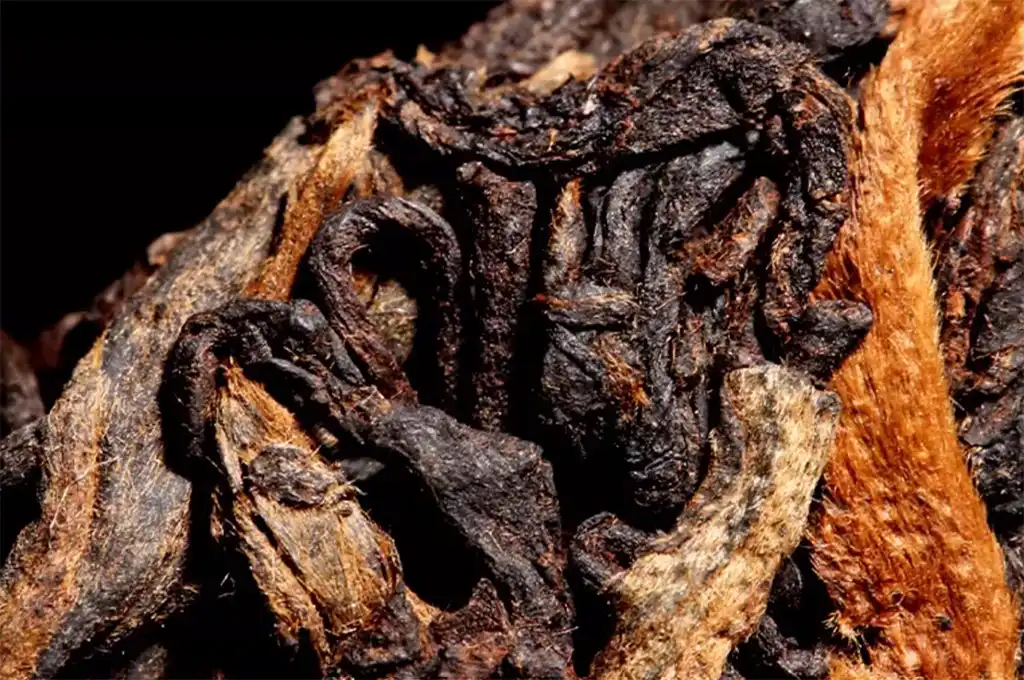
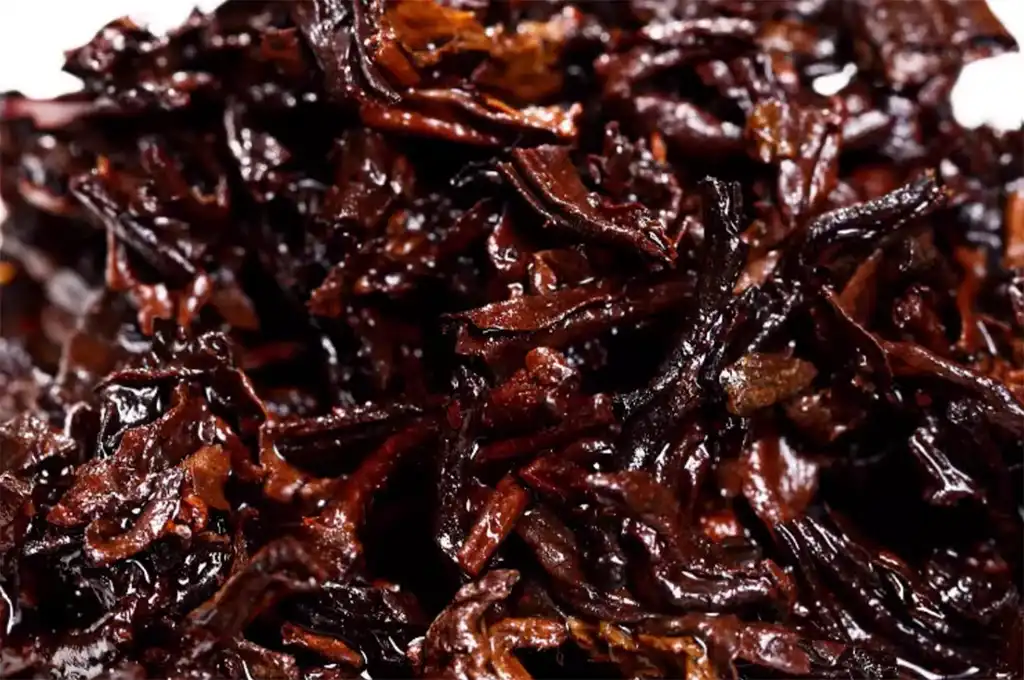
How to brew Pu-erh tea for the best taste? More and more people are falling in love with Pu-erh tea, but to truly enjoy a great cup, having quality tea leaves is only half the battle—the right brewing method is just as important. Here is a guide to brewing Pu-erh tea, designed to help tea lovers get the most enjoyment out of every brew.
How to Brew Pu-erh Tea: Tips for the Best Taste
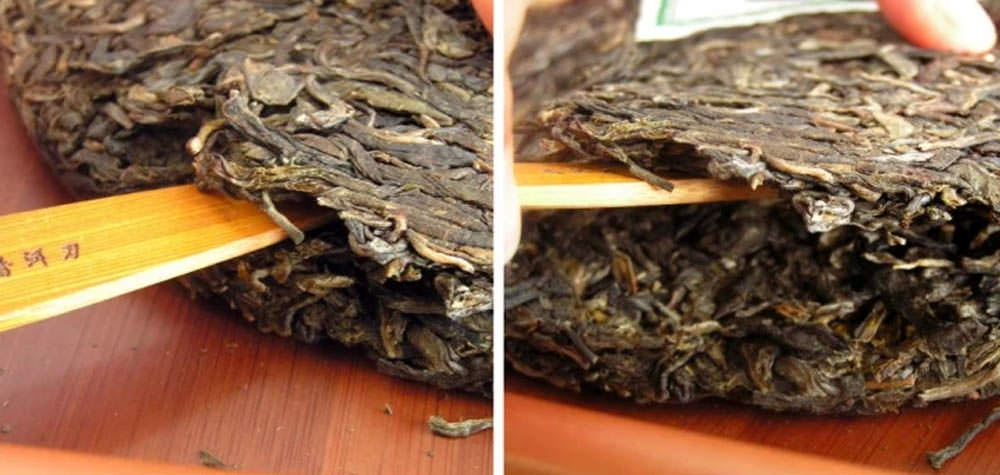
Preparation is key. Pu-erh tea usually comes in compressed forms, so you’ll need to pry off a portion first. Choosing the right teaware and water also matters. Here is how to get ready.
Preparing the Pu-erh tea: A standard leaf-to-water ratio is 1:20. For example, if your teapot holds 100 ml, use 5 grams of Pu-erh tea. Of course, this ratio isn’t set in stone—feel free to adjust it based on whether you prefer a stronger or lighter brew.
Choosing the water: Spring water or mineral water is best. Avoid distilled water or pure water. If spring or mineral water isn’t available, tap water will do in a pinch. Letting spring water or tap water sit overnight to stabilize its quality will make your tea taste even better.
Selecting teaware: Yixing clay teapots are ideal because their porous nature offers great breathability and heat retention, which suits the prominent aromas and aged notes of Pu-erh tea. If you don’t have one, a thick clay pot or porcelain gaiwan works well too.
Steps to Brew Pu-erh Tea
Boil the water. Use some of the hot water to preheat and rinse your teaware.
Add the tea leaves to the pot using a 1:20 ratio, adjusting to taste. If you don’t have a scale, filling about 1/4 of a standard teapot is a good rule of thumb.
Rinse the tea by pouring hot water over the Pu-erh leaves and discarding it after about 3 seconds. This step washes away any dust.
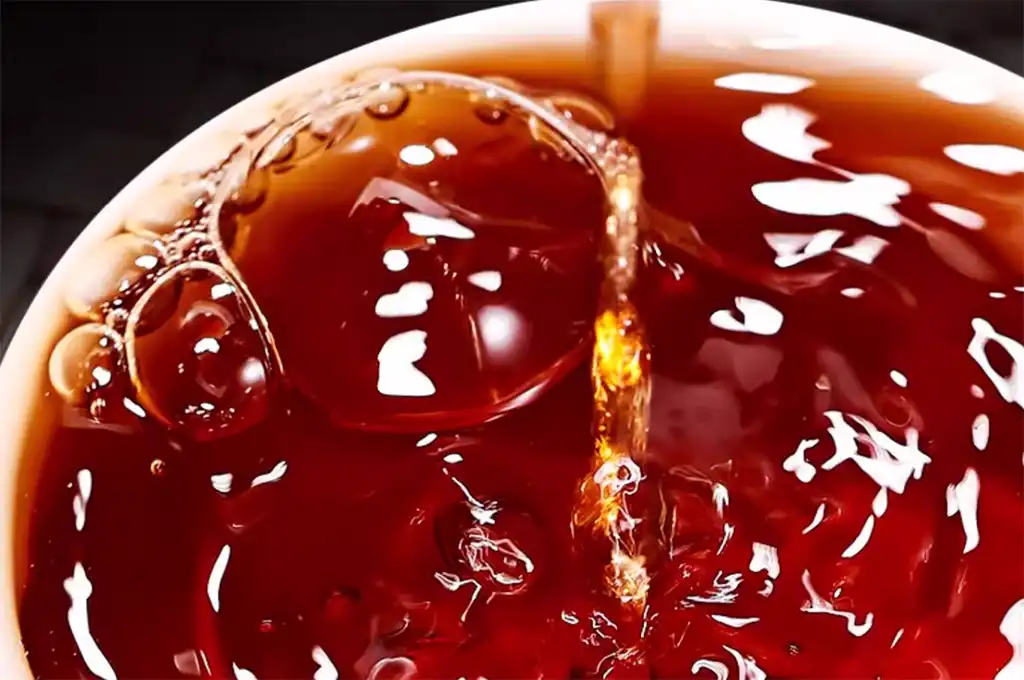
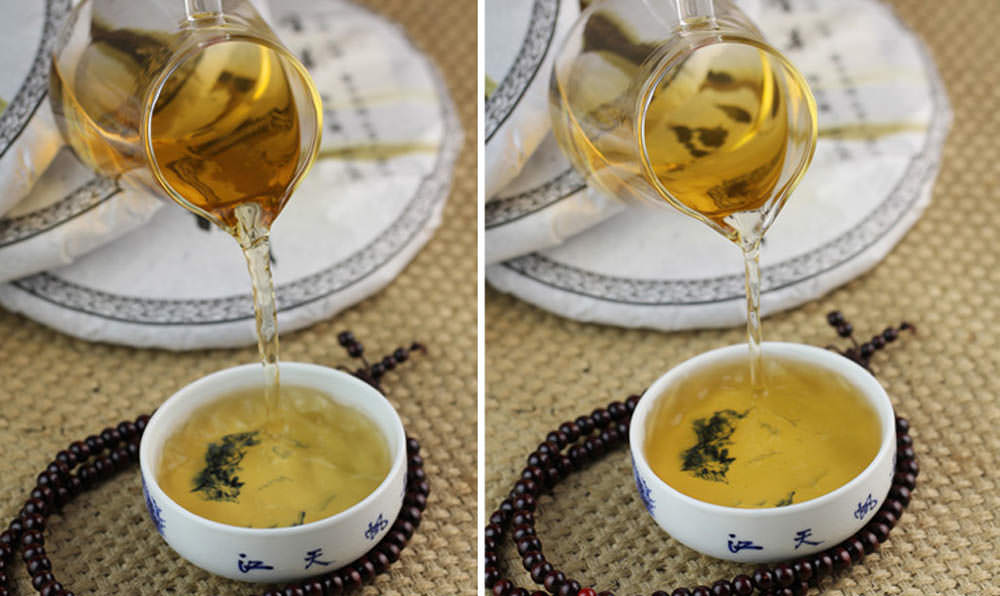
Brew the tea by pouring boiling water (100°C) into the pot. Steep raw (sheng) Pu-erh for about 20 seconds, and ripe (shou) Pu-erh for a slightly shorter time. Pour the brewed tea into a fair mug (cha hai), and it’s ready to serve.
Pro Tips for Brewing Amazing Pu-erh Tea
Water quality is extremely important. Soft water yields the best-tasting tea. For instance, the water from the Feitsui Reservoir in northern Taiwan is very soft and ideal for brewing Pu-erh. If your tap water at home in central or southern Taiwan tends to be hard, using mountain spring water or bottled mineral water is recommended.
The amount of tea and steeping time are flexible. Every tea cake has different leaves and characteristics, so feel free to adjust the leaf amount and steeping time to your liking. I have a friend who uses at least 8 grams of tea per 100 ml of water. Brew it however makes you happy.
Pick out impurities before brewing: Pu-erh tea may sometimes contain older leaves, thick stems, yellow leaves, or debris from the production process. You can easily pick these out as you pry the tea, making for a cleaner, better-tasting brew.