Tea bricks are a form of compressed tea, typically used for dark teas. Among them, Pu-erh tea bricks are the most common. Pu-erh tea bricks come in both raw (sheng) and ripe (shou) varieties. Making tea into bricks not only makes transportation more convenient and aids in storage, but it also helps with the post-fermentation process of the tea leaves.
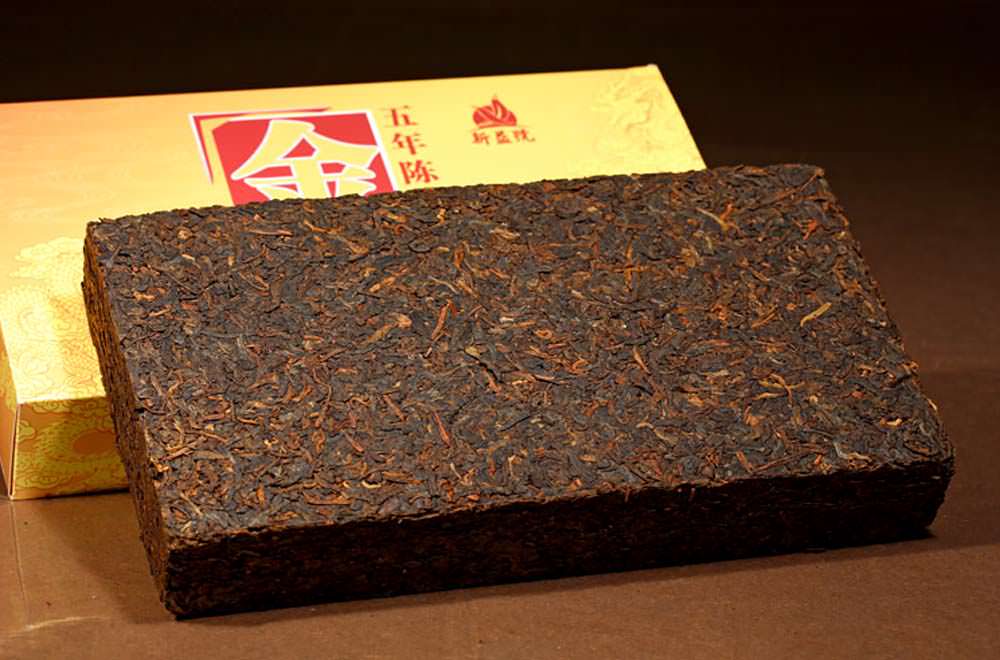
Pu-erh tea bricks are a common format for Pu-erh tea, with weights ranging from 200g, 250g, 500g, to 1,000g, and sometimes even over 2 kg. In recent years, for sales convenience, 200g and 250g sizes have become more common. They are mostly rectangular in shape.
▲ Pu-erh tea bricks are mostly made in a rectangular shape.
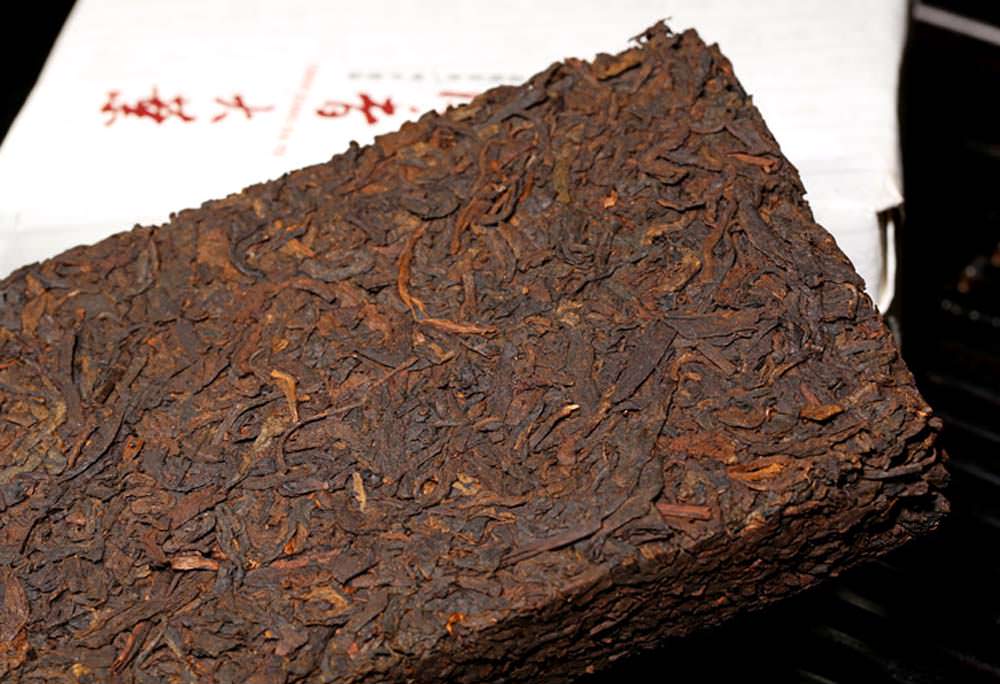
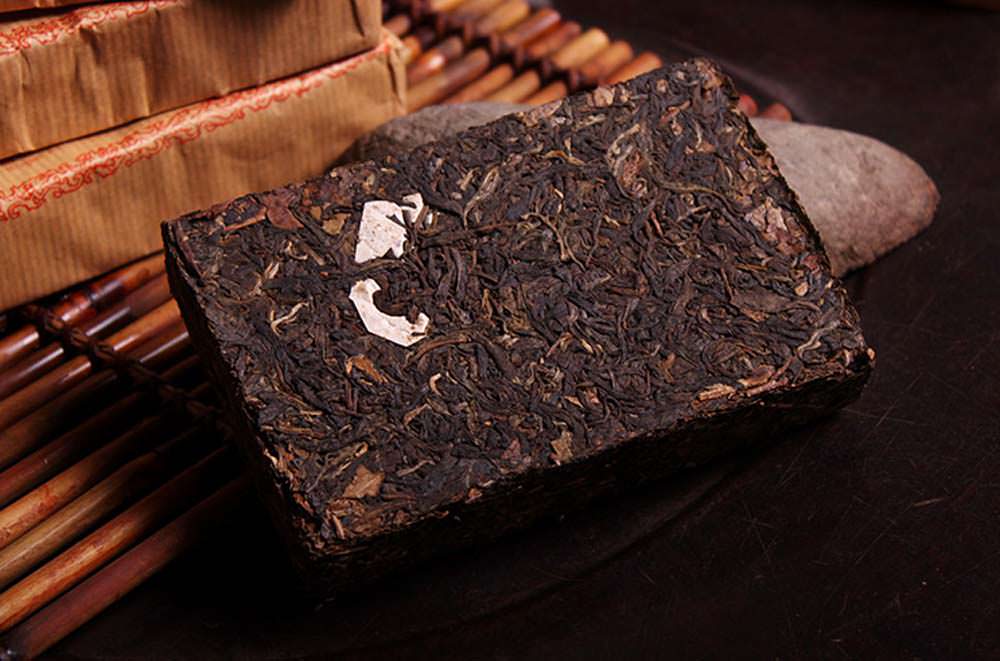
Although Pu-erh tea can be produced as loose leaf tea, it is still mostly made into bricks or cakes. Pressing it into tea bricks offers easier transportation and the advantage of simple storage and stacking, which greatly benefits the post-fermentation of the tea leaves. Pu-erh tea bricks are also divided into raw and ripe bricks. Ripe tea bricks go through a pile-fermentation (wo dui) process, resulting in a liver-brown color, while raw tea bricks have a lighter color. In terms of quality, aged raw Pu-erh tea bricks stored in natural conditions (dry storage) offer the best flavor, but they are also the most expensive. Ripe tea bricks only take about 2 years to reach good quality, but aged ripe tea bricks generally do not match the complex flavor profile of raw tea bricks.
▲ Ripe Pu-erh tea brick.
▲ Raw Pu-erh tea brick.
Storing Pu-erh Tea Bricks
Pu-erh tea bricks purchased for home, whether raw or ripe, can be stored at room temperature indoors. However, make sure not to place them in direct sunlight or in the kitchen, and keep them away from strong-smelling items like soap, perfume, or camphor. As long as the area is well-ventilated, room-temperature, and dry, they will keep well.
Brewing Pu-erh Tea Bricks
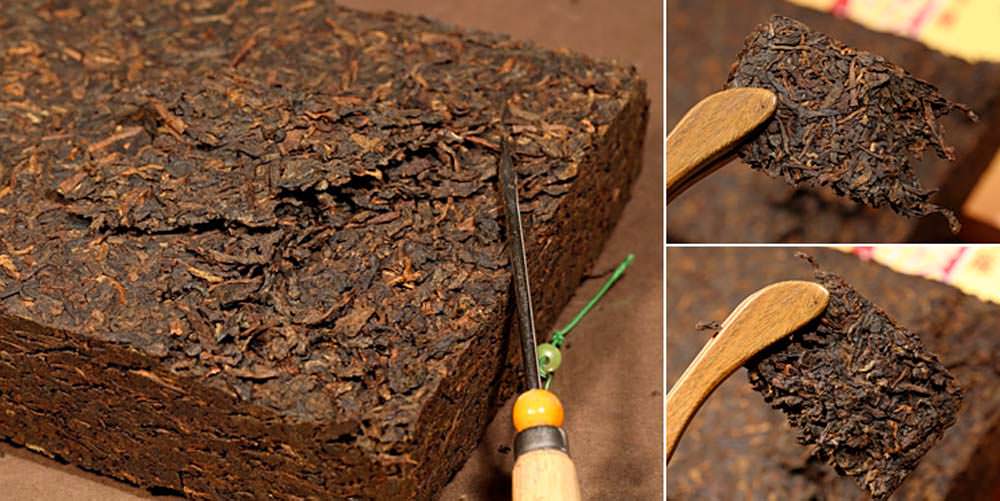
The brewing method is the same as for regular dark tea, but Pu-erh tea bricks must first be pried apart. To pry the tea, use a dedicated Pu-erh tea knife, insert it gently from the side, and then gently pry upward to lift off the tea leaves. Avoid using regular fruit knives or kitchen knives, as they are too sharp and can easily damage the tea leaves.

▲ Use a tea knife to break off a portion of the tea brick before brewing.
Set the separated tea leaves aside. Boil spring water using a medium-to-large teapot. Once boiling, brew at a ratio of 1 part tea to 50 parts water, steeping for about 3 minutes. Pu-erh tea bricks can also be simmered: use a ratio of 1 part tea to 40 parts water, boil in the water for 2 minutes, then strain and serve.