Tea cakes are a form of compressed tea, commonly used for dark teas. They are the most frequent shape for Pu-erh tea. Pu-erh tea cakes are not only convenient for transportation, but also greatly beneficial for the post-fermentation and storage of the tea leaves. Pu-erh tea cakes come in both ripe (shou) and raw (sheng) varieties, with tea cakes currently making up the majority of Pu-erh teas on the market.
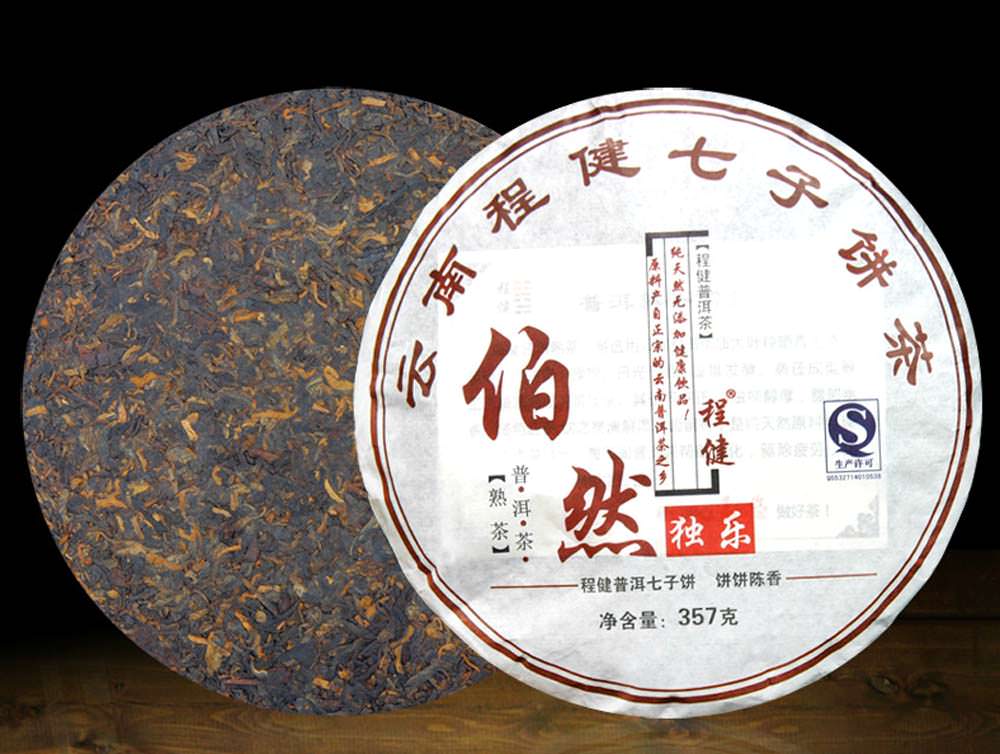
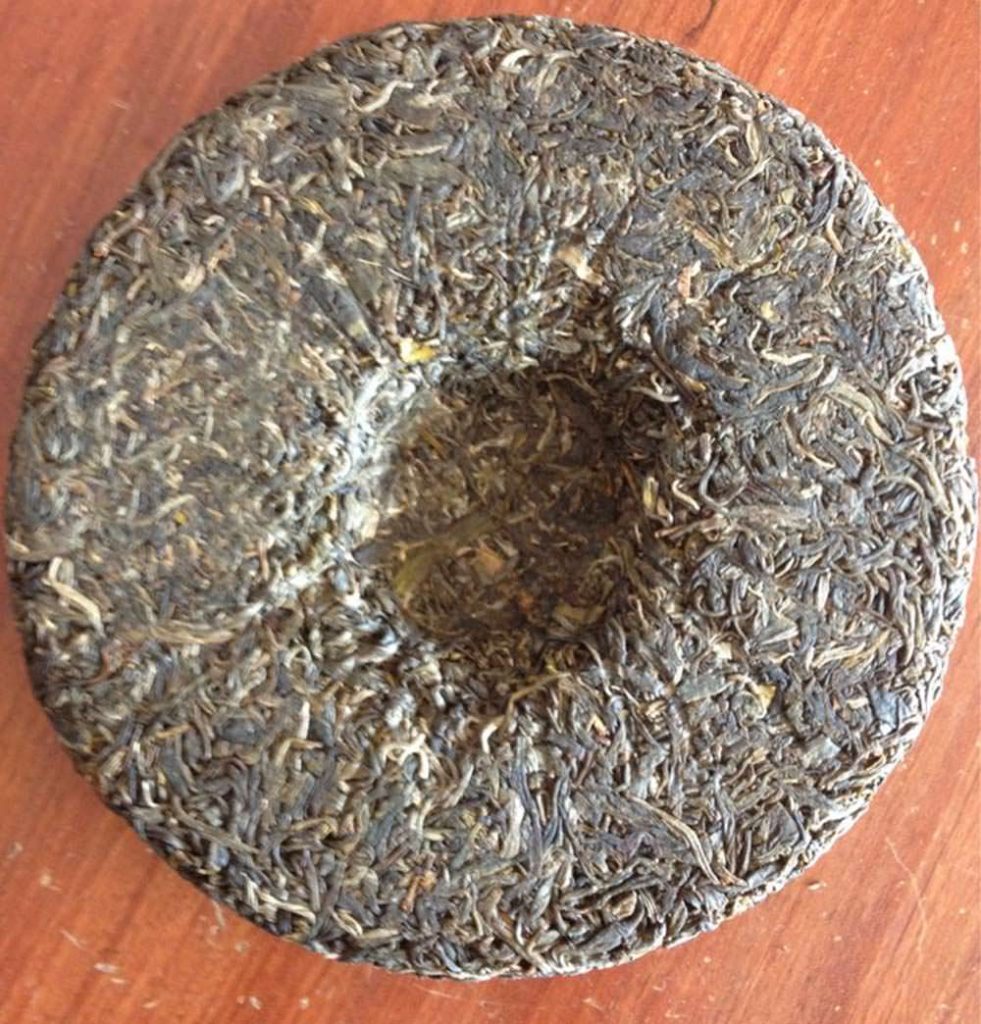
Pu-erh tea cakes have a round, flat, disc-like appearance with an indentation on the back. Being pressed into cakes offers the advantages of easy transportation, convenient storage, and favorable conditions for post-fermentation. The standard weight of a Pu-erh tea cake is 357g, with smaller quantities also produced in 200g and 150g specifications. Because Pu-erh tea loses moisture over time during storage, a slight reduction in weight for traditionally stored Pu-erh tea is completely normal.

▲ Front and packaging of a Pu-erh tea cake.
▲ Back of the tea cake.
Storing Pu-erh Tea Cakes
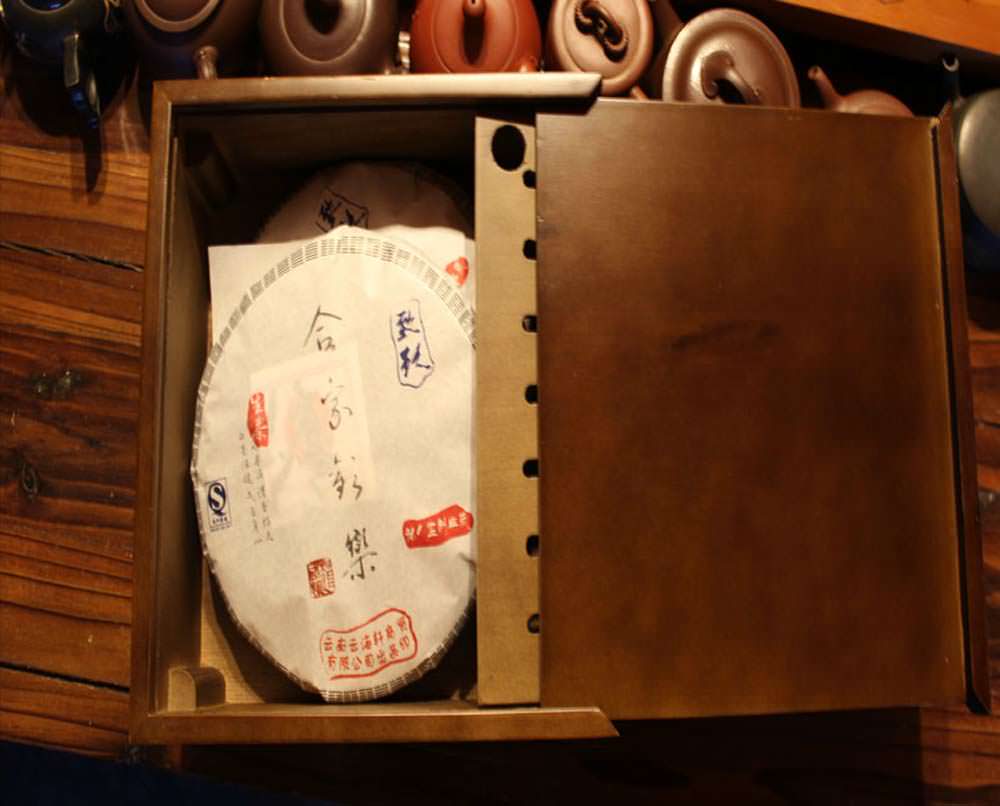
The shape of Pu-erh tea cakes is ideal for stacking; just ensure they are not dropped or damaged. They can also be stored using dedicated storage racks or boxes. The ideal storage location should be out of direct sunlight, well-ventilated, and kept at normal humidity. Do not store them near soap, camphor, or condiments.
▲ Storing tea cakes is simple.
Brewing Pu-erh Tea Cakes
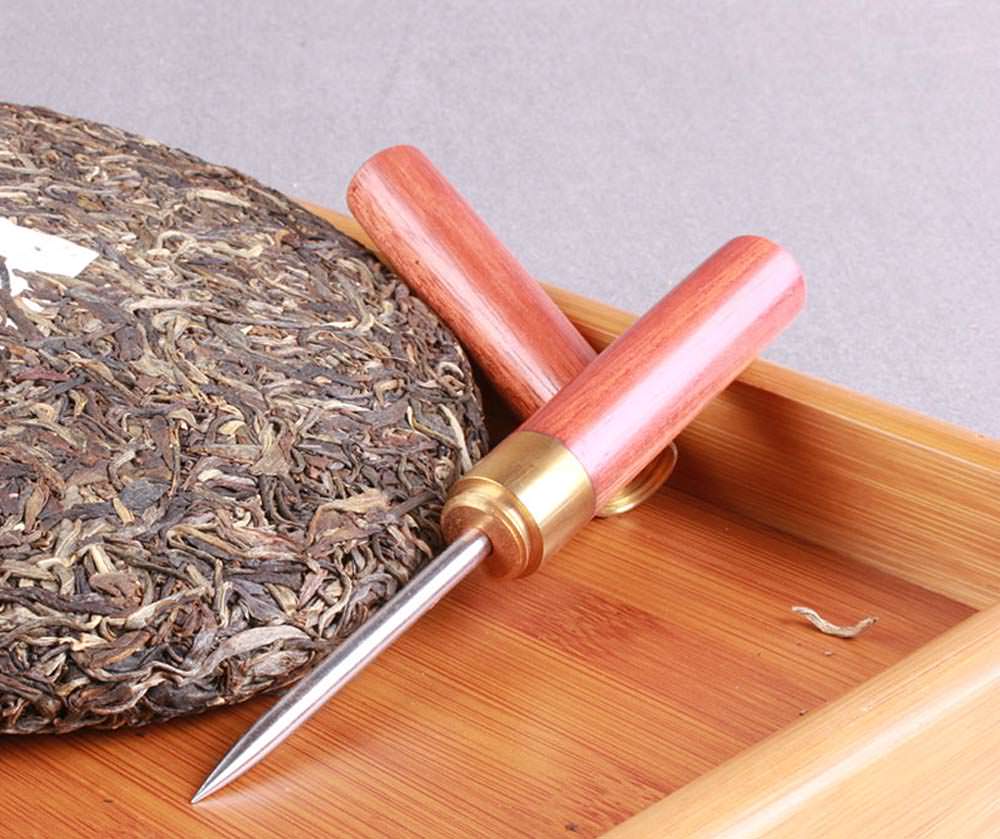
Tea cakes must first be pried apart using a dedicated Pu-erh tea knife. To do this, insert the tea knife into the indentation on the back and gently pry upward. Do not use a kitchen knife or fruit knife, as this can easily damage the tea leaves.
▲ A dedicated tea knife for Pu-erh tea cakes.
When brewing, use spring water and bring it to a boil in a medium-to-large teapot. Use a tea-to-water ratio of 1:50. Steep for about 2 minutes and it’s ready. You can also use the boiling method: use a ratio of 1:40, place the tea into boiling water, boil for about 2 minutes, and it is ready to serve.