
What’s the difference between raw (sheng) and ripe (shou) Pu-erh tea? Pu-erh comes in these two main styles, which differ significantly in processing methods, pricing, and flavor profiles. If you’re a beginner, it’s essential to understand these distinctions before making a purchase.
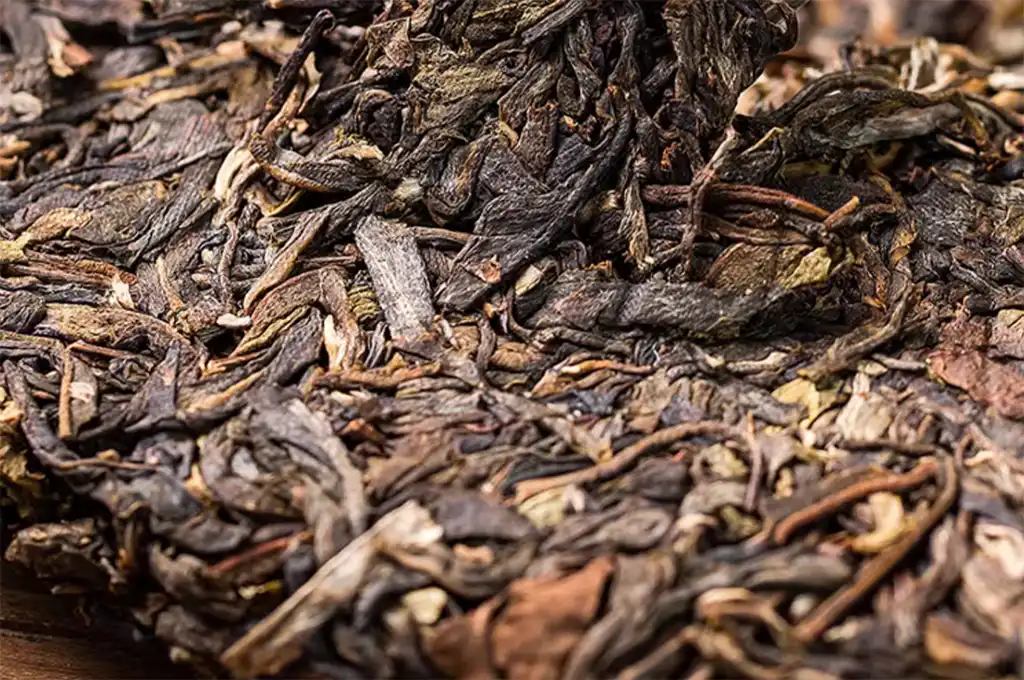
Why is Pu-erh tea divided into raw and ripe?
This goes back to the traditional production methods of Pu-erh tea. Traditionally, all Pu-erh was raw (sheng). The production process for raw tea is relatively simple: the leaves are pressed and left to age and ferment naturally. This simple, natural method yields high quality, but the downside is that young raw tea can be quite bitter and astringent, requiring at least 3 years of aging to become smooth and enjoyable. Because this takes so much time, the ripe (shou) processing method was developed.
Ripe tea introduces a pile-fermentation (wo dui) process after rolling. This method uses controlled cultures, humidity, and temperature to accelerate the tea’s fermentation process. While raw tea takes 3 to 5 years to reach a certain level of fermentation, pile fermentation takes only a few weeks to months, greatly saving time and reducing production costs. Below is the production process for both raw and ripe tea.
| Type | Production Process |
|---|---|
| Raw (Sheng) | Harvesting → Withering → Fixation (pan-frying at high heat to halt fermentation) → Rolling → Drying → Pressing → Natural Aging & Fermentation |
| Ripe (Shou) | Harvesting → Withering → Fixation → Rolling → Pile Fermentation (Wo Dui) → Drying → Pressing |
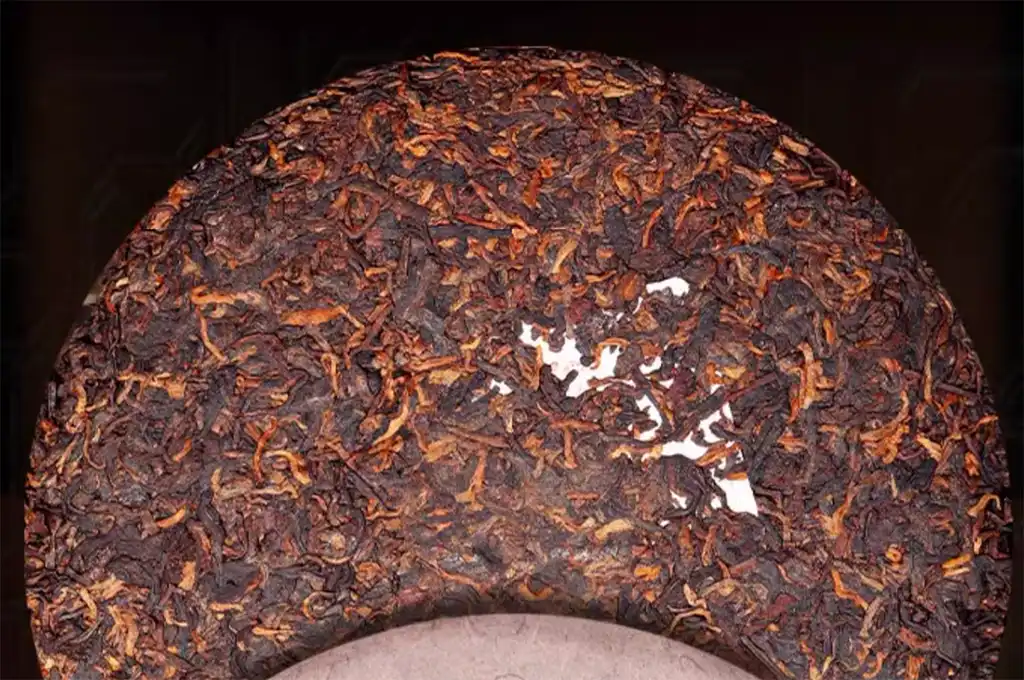
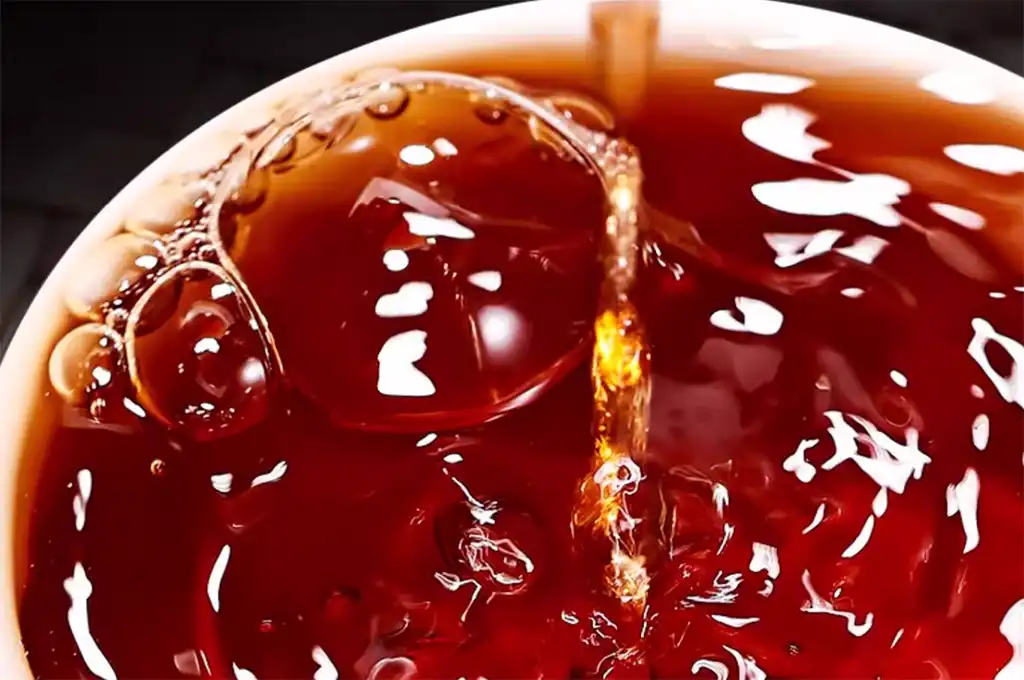
Through pile fermentation, ripe tea develops reddish tea leaves and liquor, with a smooth, mellow flavor that lacks harshness. The downside is that the bold intensity and natural floral aromas of raw tea are lost, and ripe tea generally cannot match the aging potential of raw tea from the same vintage.
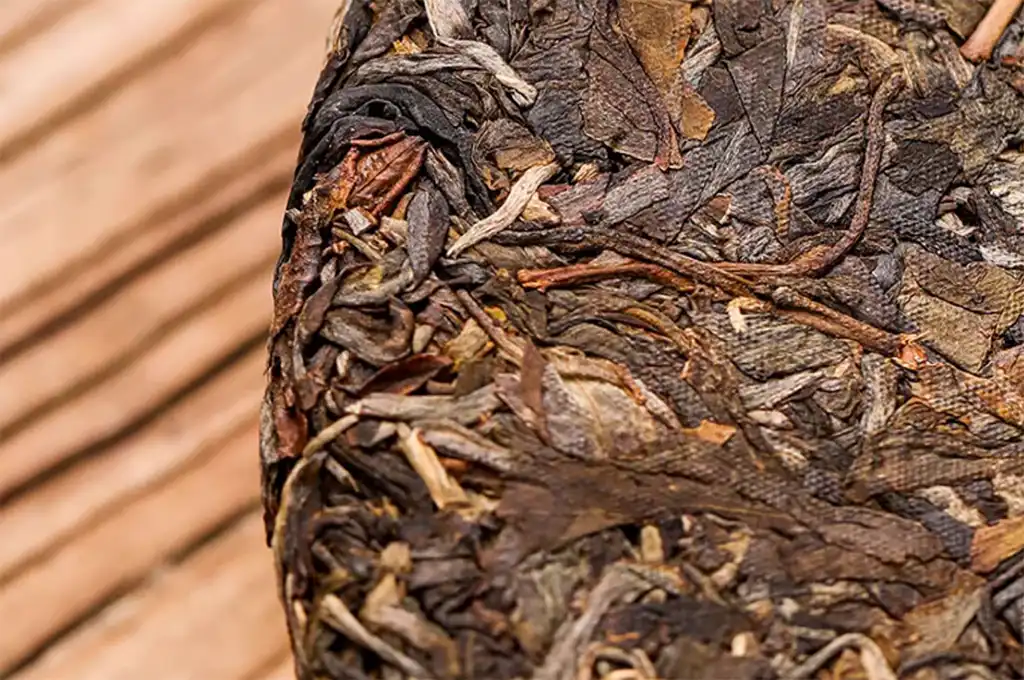
Raw vs. Ripe Pu-erh Tea Differences
Beyond the production process, the main differences between raw and ripe Pu-erh lie in their leaf appearance, liquor color, taste profile, and price. Furthermore, due to price differences, the quality of the raw leaf material (maocha) used will also vary.
| Category | Raw Pu-erh (Sheng) | Ripe Pu-erh (Shou) |
|---|---|---|
| Dry Leaves | Having gone through the pile-fermentation (wo dui) process, the polyphenols in the leaves oxidize, deepening the color. Ripe Pu-erh leaves have a reddish-brown hue. | |
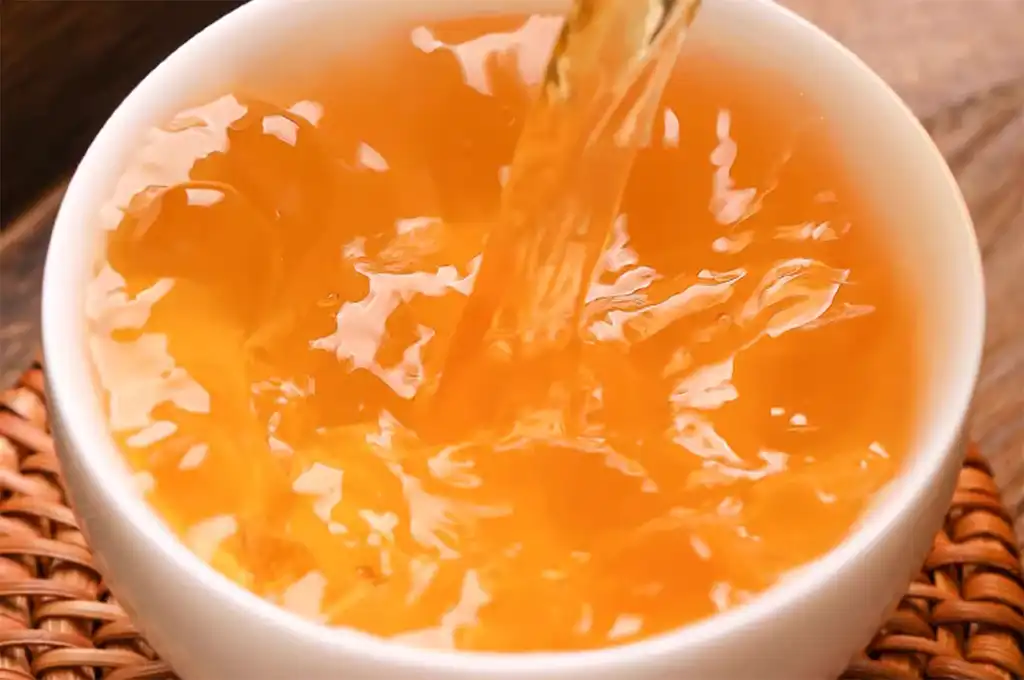
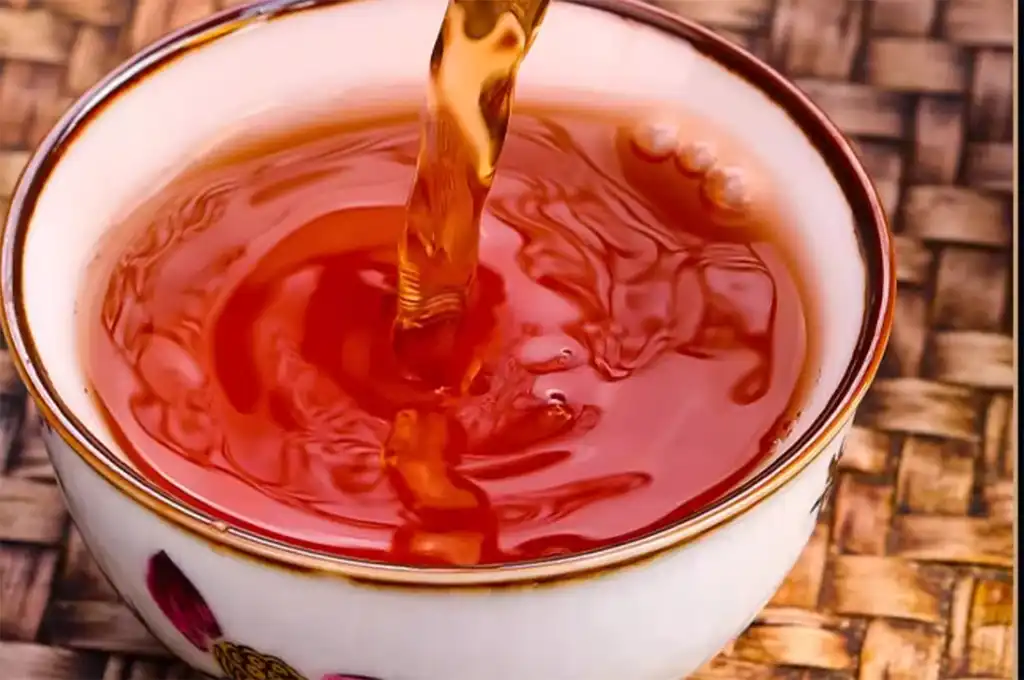
| Tea Liquor | The liquor of raw Pu-erh is generally light yellow or greenish-yellow. As it ages, the color deepens—turning orange-yellow at 3 years and orange-red after 7 years. | The liquor of ripe Pu-erh is red-brown, deep, and rich. With further aging, the color shifts even more toward a reddish-brown. |
| Taste | New raw Pu-erh tastes bitter and astringent due to high polyphenol content, offering a stronger kick. With aging, the bitterness gradually transforms into a smooth, mellow profile with natural aged aromas. | New ripe Pu-erh has a mellow, rounded taste with virtually no bitterness or astringency. The liquor is smooth, often exhibiting woody or milky notes, giving a warm and gentle mouthfeel. |
| Price | The price of raw Pu-erh is heavily influenced by its aging duration. New tea is more affordable, and the longer it is stored, the higher the price generally climbs. Products from famous mountains, renowned regions, or flagship items from major brands can even become collectors’ items or financial assets, commanding much higher prices. | Prices are relatively stable and usually more affordable than raw Pu-erh, especially for freshly released young ripe tea. While aged ripe tea also holds potential for appreciation, the price increase is generally not as dramatic as that of raw Pu-erh. |
| Tea Material (Cha Jing) | While not absolute, the material selected for raw Pu-erh is generally of a higher grade, making it well-suited for long-term aging. Raw Pu-erh from large factories is often blended, featuring a higher proportion of tender leaves. | The raw materials used for ripe Pu-erh are relatively flexible, allowing for more mature leaves or even older leaves to undergo pile-fermentation. It offers a stable flavor profile, making it ready for drinking soon after production. |

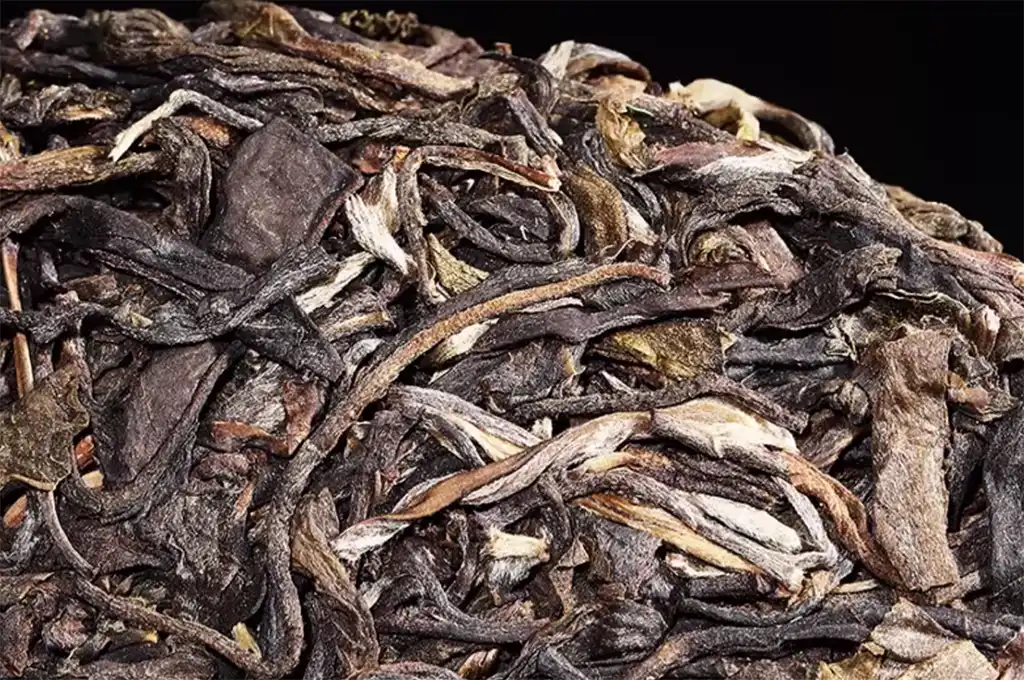
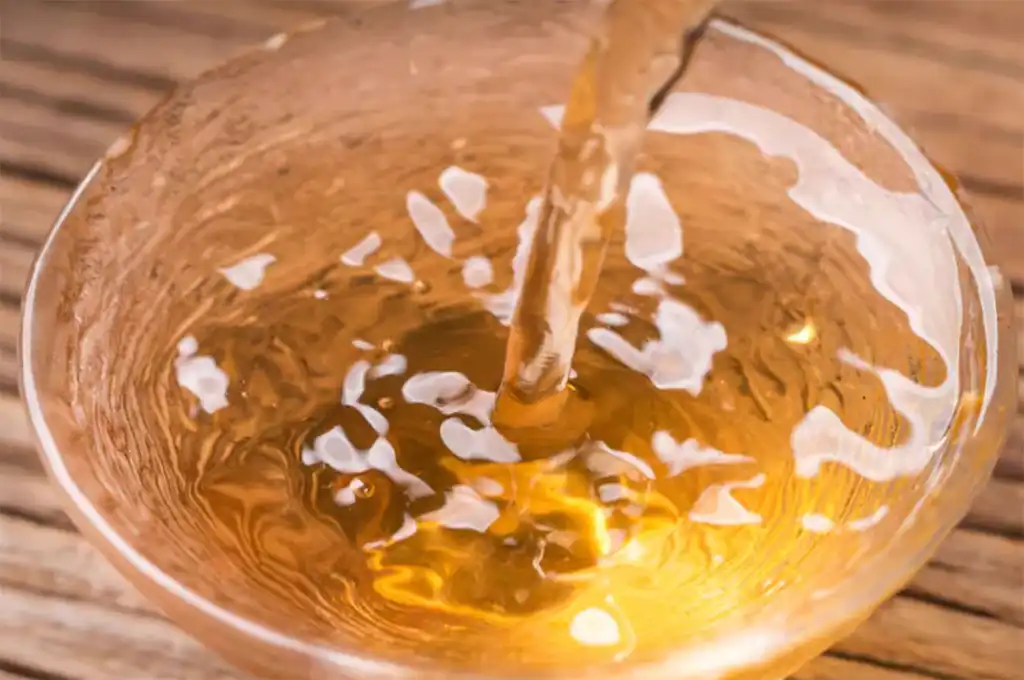
The image above shows raw Pu-erh, and the image below shows ripe Pu-erh. Ripe Pu-erh has a more vibrant red tone.
Which type of Pu-erh tea is right for me?
For teas aged under three years, ripe Pu-erh is smoother and more mellow, though it lacks aromatic punch and stimulation. For teas aged three to five years, it depends on the aging progress of the raw Pu-erh. After seven years, raw Pu-erh generally performs better, but the price will also be significantly higher.
To use martial arts novels as an analogy, raw Pu-erh is like a disciple from a prestigious orthodox sect who must diligently practice internal arts for years before achieving initial success, but holds greater long-term potential. Ripe Pu-erh is somewhat like an unorthodox school—outperforming the orthodox disciple within the first three years, only to be overtaken later on. There is a saying in the Chinese Pu-erh tea community: “Appreciate aged tea, collect new tea, and drink ripe tea!” This aptly captures the distinct roles played by raw and ripe Pu-erh.