
Dayuling is located within Hualien County, near Nantou and Taichung. It is a major transportation hub and a popular spot for viewing autumn foliage, while also producing high-altitude, cold-climate fruits and vegetables. Above all, Dayuling High Mountain Tea is the absolute pinnacle of Taiwanese tea. The highest tea gardens in Dayuling sit at approximately 2,700 meters, making it the highest tea-producing region in the world.
The Dayuling High Mountain Tea (Dayuling Tea) production area is situated between the 97K and 105K markers of the Central Cross-Island Highway, at elevations ranging from about 2,200 to 2,650 meters, holding the title of the highest high-mountain tea region globally. While the tea region spans nearly 10 kilometers, there are only 5 main tea gardens with an annual production of about 10,000 kg. Among them, the gardens at 105K and 104K sit at the highest altitudes, and their Dayuling High Mountain Tea is the most sought-after.
Because the area is close to Hehuanshan, it is swept by cold winds year-round, giving the tea leaves a distinct “mountain aroma” (shan yun). Combined with low average annual temperatures and dramatic diurnal temperature ranges, the tea has very little bitterness and a high natural sweetness, making it exceptionally popular. Harvested only twice a year in spring and winter with a total annual yield of around 10,000 kg, it is extremely rare.
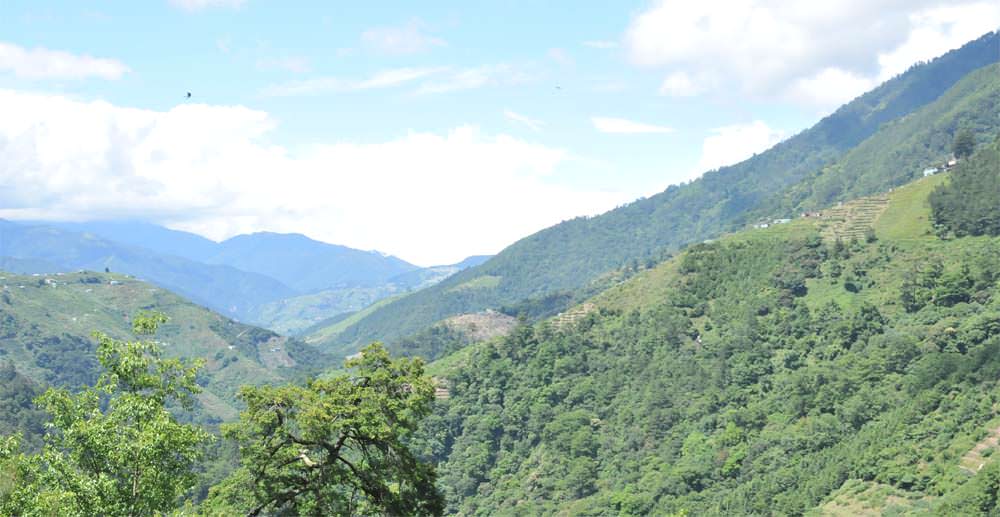
▲ The Dayuling high mountain tea region, where scattered tea gardens can be seen in the photo. Elevations here exceed 2,200 meters.
In recent years, due to restrictions on land development, the production of Dayuling High Mountain Tea has hit a ceiling. In 2013, the Forestry Bureau began reclaiming tea garden land, causing the production area to continuously shrink and yields to drop significantly. There is even a chance that Dayuling High Mountain Tea could disappear in the future. If you have never tried Dayuling High Mountain Tea, we strongly recommend giving it a try—its unique mountain aroma and sweetness will not disappoint.