
We received an email from an overseas customer asking: “I’d like to buy some Taiwanese Oolong tea, but I heard it’s divided into raw (lightly roasted/unroasted) and roasted styles. Which one tastes better, and who is each type best suited for?” Actually, choosing between raw and roasted tea is just like picking your favorite snack—it all comes down to your personal taste and needs! Today, let’s break down the pros and cons of each:
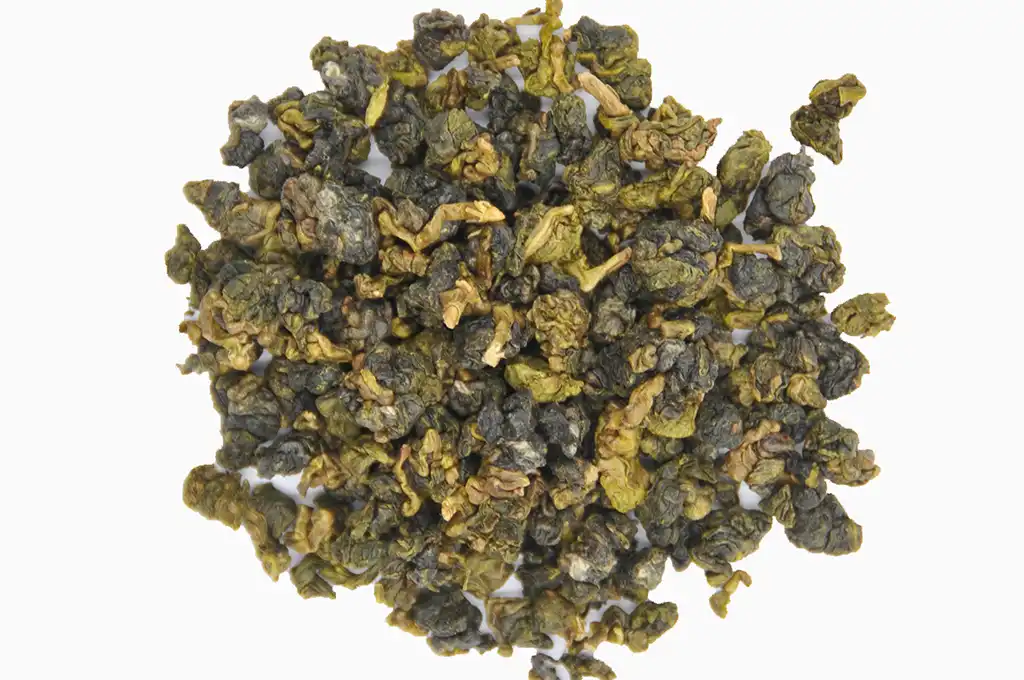
The Difference Between Raw and Roasted Tea
After Taiwanese Oolong tea leaves are initially processed into semi-finished loose leaves, they sometimes go through an additional refining step called “roasting” (or baking the leaves at high temperatures). There are two main purposes for roasting:
- Lowering Moisture Content: Further reducing moisture to make the leaves drier and easier to store.
- Flavor Transformation: By controlling roasting temperature and time, the aroma gains richer layers, triggering the Maillard reaction to bring out deeper flavors.
Teas that undergo little to no roasting are considered raw tea, preserving the leaves’ natural flavors. Teas with heavier roasting are known as roasted tea, offering a rich flavor profile and deep aroma.
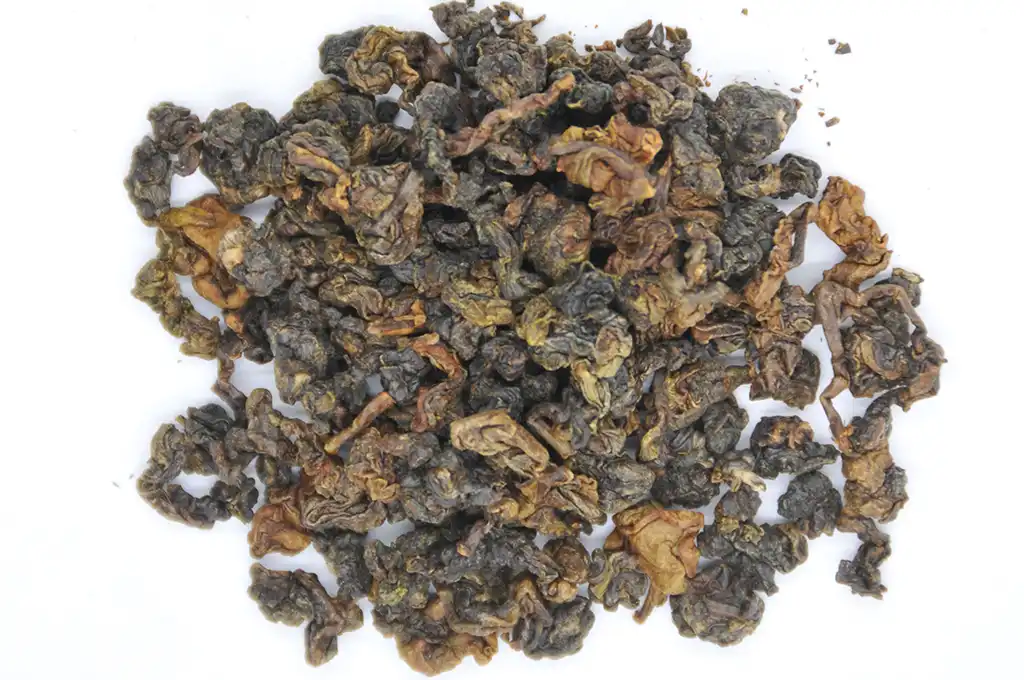
What are the Pros and Cons of Raw and Roasted Teas?
| Pros | Cons | |
|---|---|---|
| Raw Tea (Sheng Cha) |
|
|
| Ripe Tea (Shou Cha) |
|
|
Raw Tea vs. Ripe Tea: Which One is Better?
Raw and ripe oolong teas each have their own pros and cons, and neither is inherently better than the other—it all comes down to your personal taste and needs! If you enjoy a fresh and crisp flavor profile, go for raw tea, such as Wenshan Pouchong or High Mountain Oolong. If you prefer a rich, smooth, and warming mouthfeel, then ripe tea—like heavily roasted Dongding or Tieguanyin—will be your top choice.