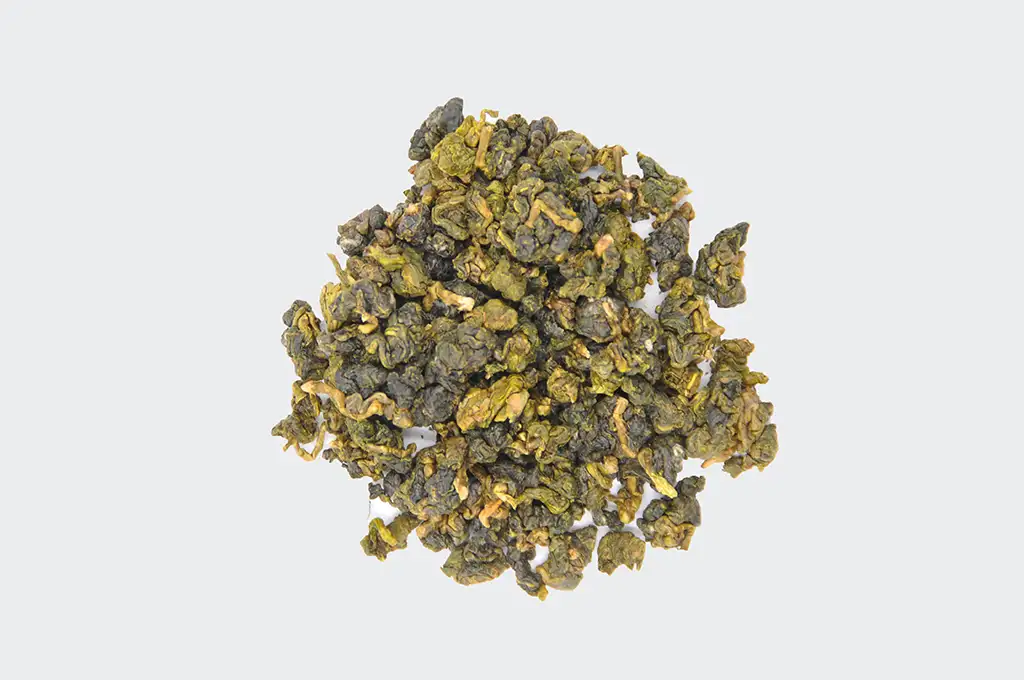
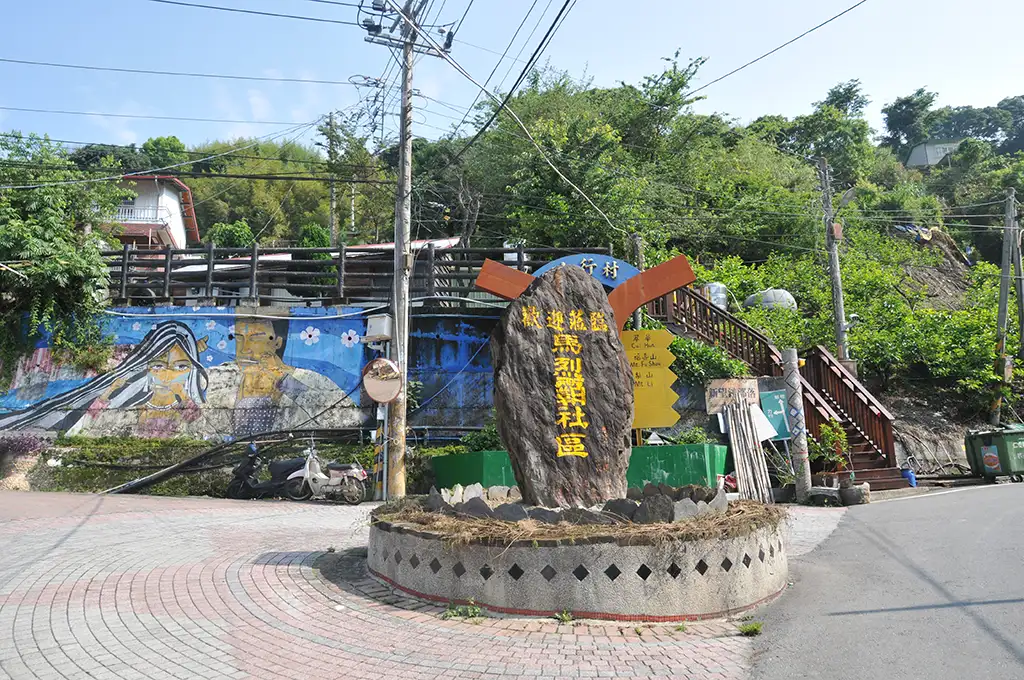
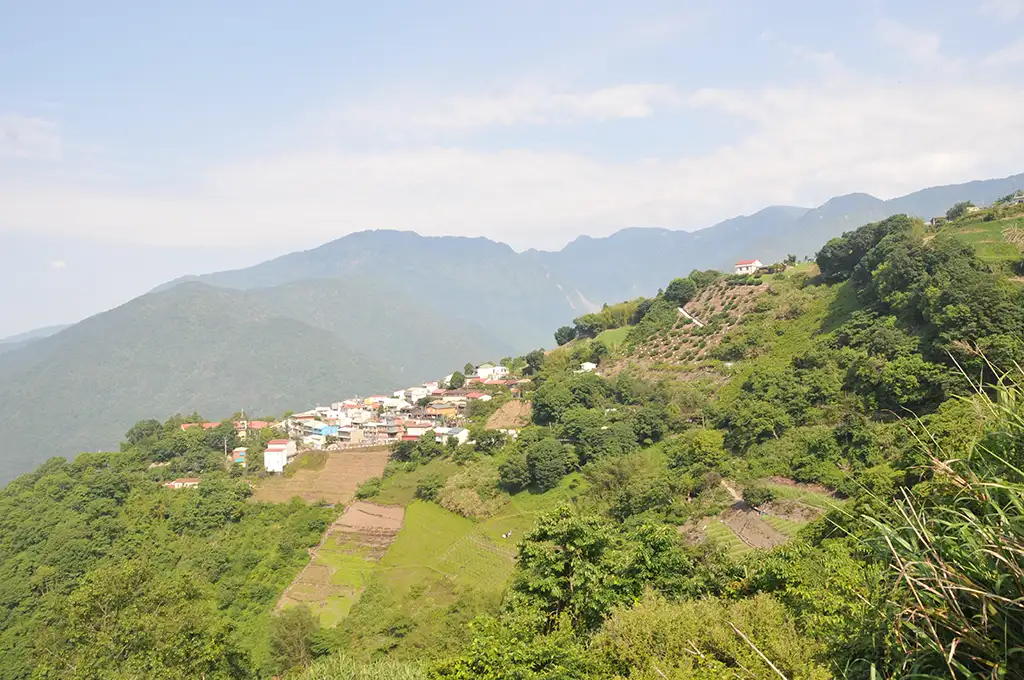
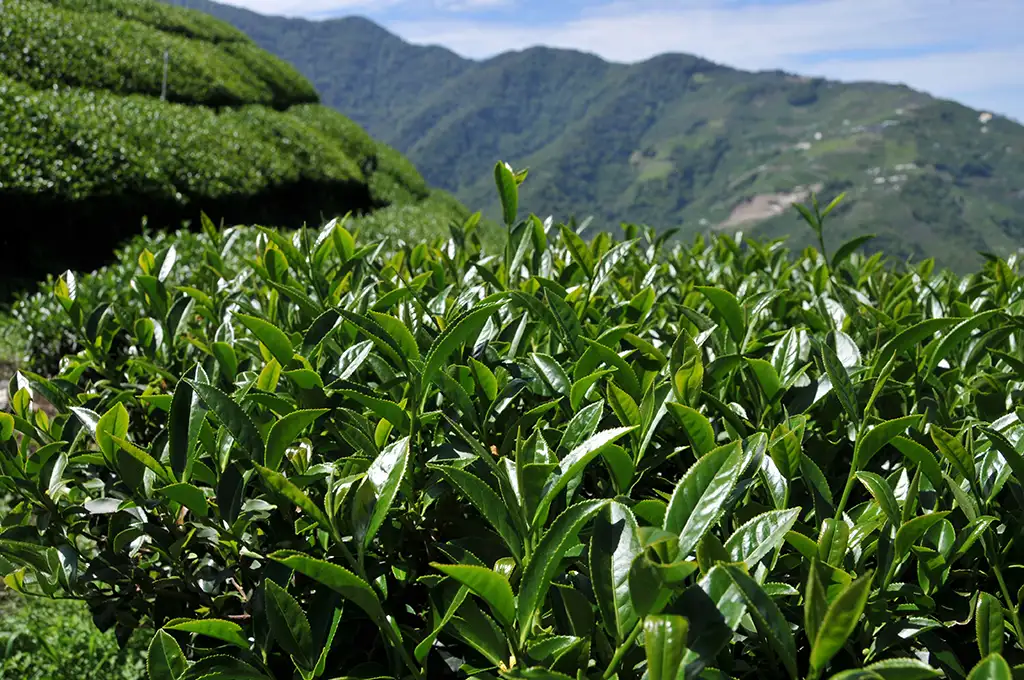
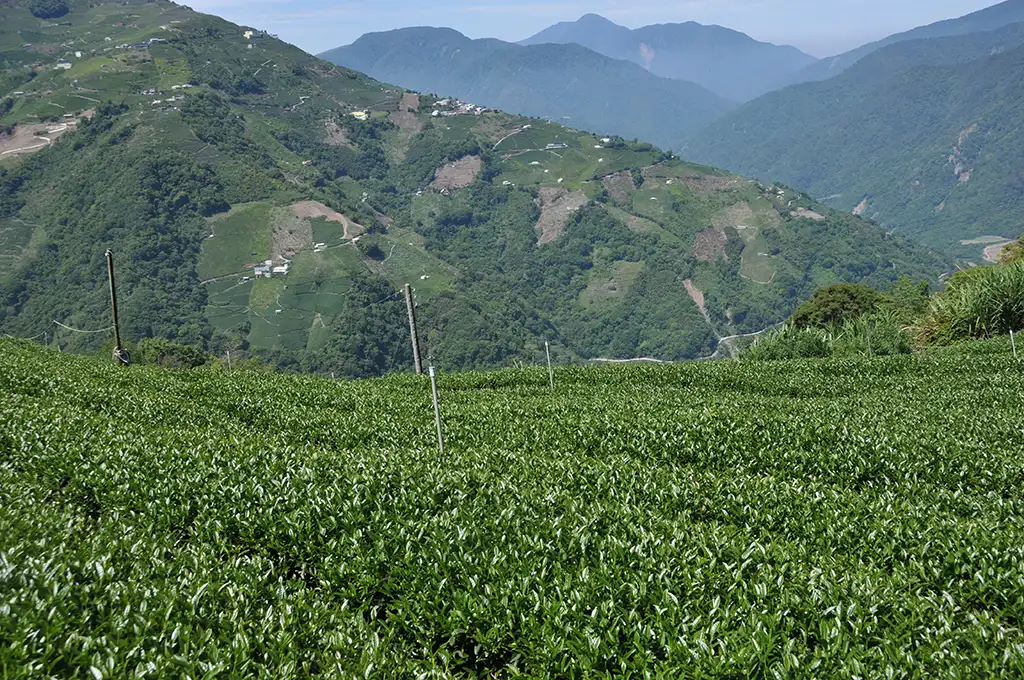
Grown in Ren’ai Township, Nantou County, Taiwan, right at the center of the Lixing Industrial Road, Malieba tea benefits from an exceptional high-mountain climate and fertile soil that give it a unique aroma and rich flavor. Malieba tea is primarily light-fermented Oolong, along with small amounts of black tea and heavy-fermented Oolong.
Precious Tea from an Ancient Atayal Settlement
Malieba tea comes from the ancient Malieba Atayal settlement, with tea gardens situated at elevations between 1,200 and 1,800 meters. The wide diurnal temperature variation in this high-mountain environment forces the tea plants to grow thicker leaves to withstand the cold, concentrating more beneficial compounds and resulting in a mellower flavor than teas from elsewhere. Premium Malieba tea features a distinctive mountain aroma and a pronounced frost note, with a golden-honey liquor, an elegant and lingering taste, and a refreshing, sweet aftertaste.

Read more: Introduction to Malieba Tea Region
Malieba Tea Pricing
Malieba tea is priced slightly lower than nearby Diaqiaotou tea, running about NT$100 cheaper per 600 g at comparable elevations. Spring and winter teas range from NT$2,500 to NT$3,200 per 600 g, while autumn teas range from NT$1,300 to NT$2,000 per 600 g. The finest Malieba teas are often sold as “label-upgraded teas,” packaged and labeled under famous regions like Dayuling and Fushoushan.
Buying Guide for Malieba Tea
Similar to Diaqiaotou tea, the quality of Malieba tea varies quite a bit, largely depending on tea garden management and aspect. Since there are quite a few vegetable farms in the area, some tea plantations are located right next to crop fields, making them susceptible to contamination or pesticide drift. However, the Malieba settlement boasts exceptional climatic conditions. If you choose well-managed tea gardens with ample fertilization and irrigation, harvested on sunny days, the chances of getting exceptional tea are very high.