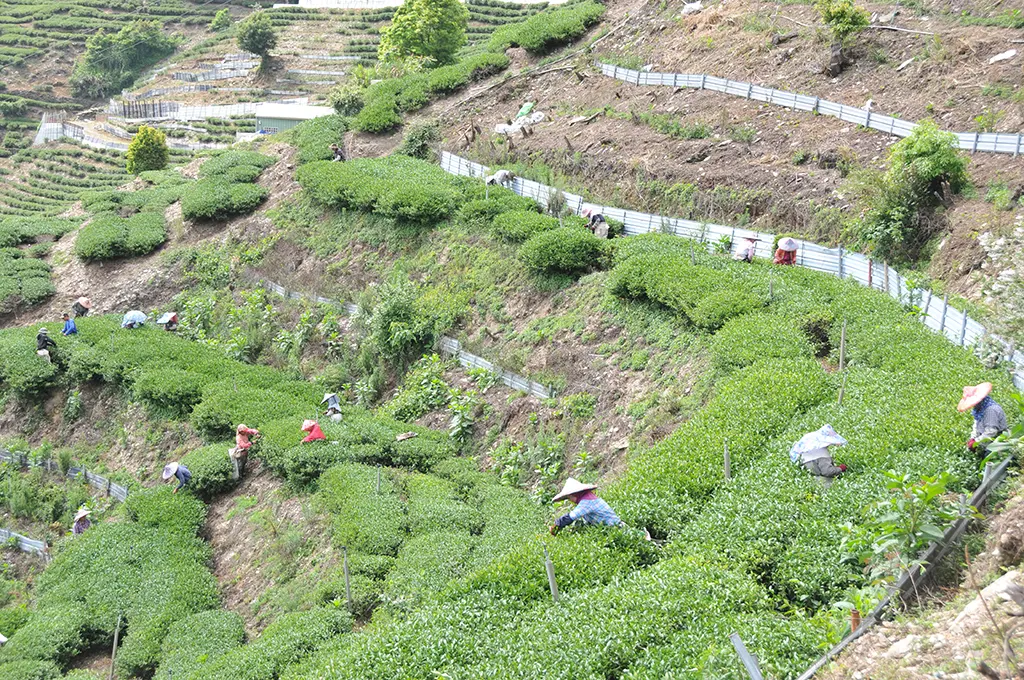
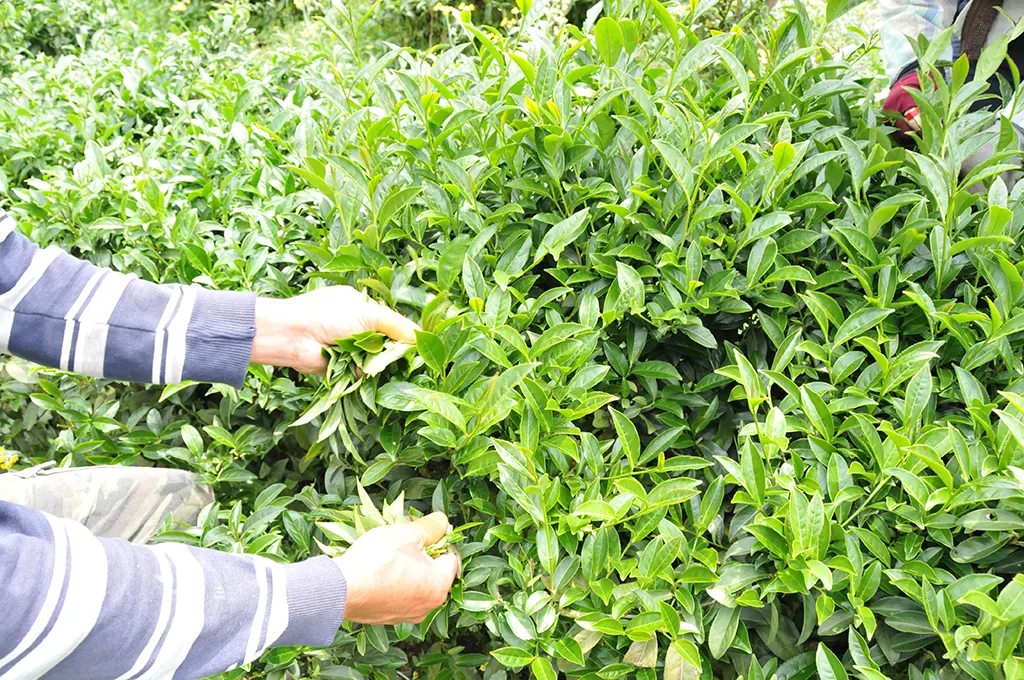
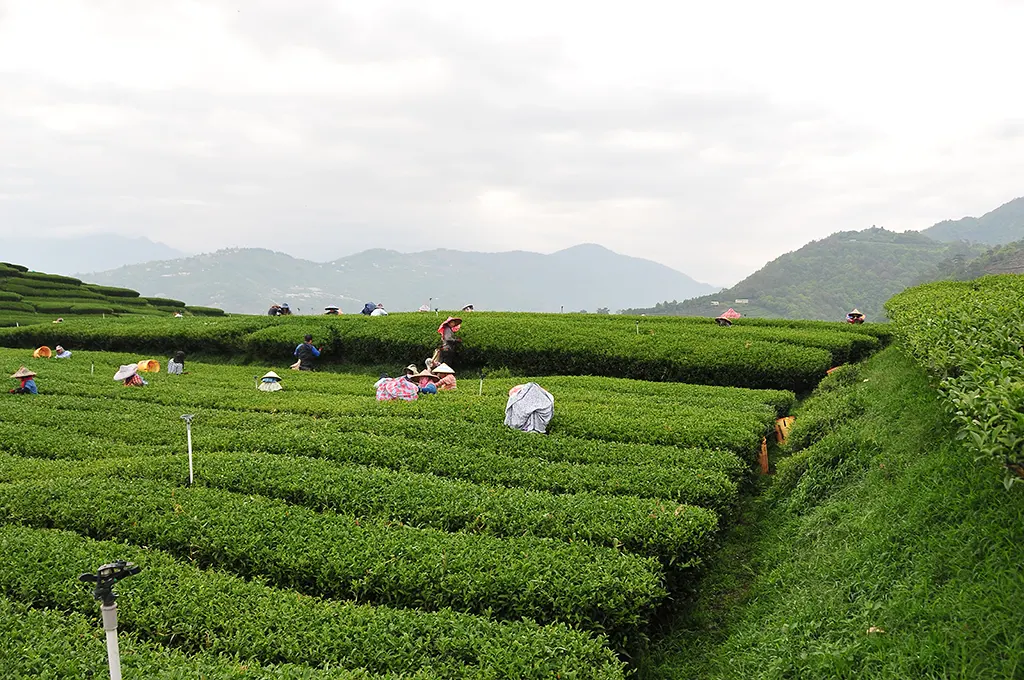
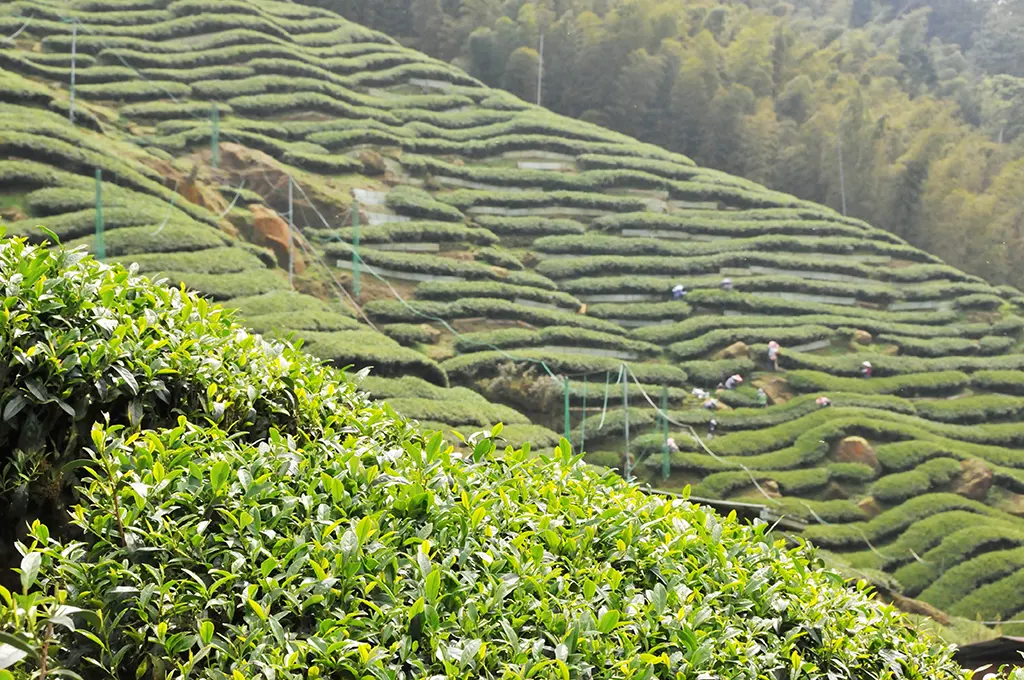
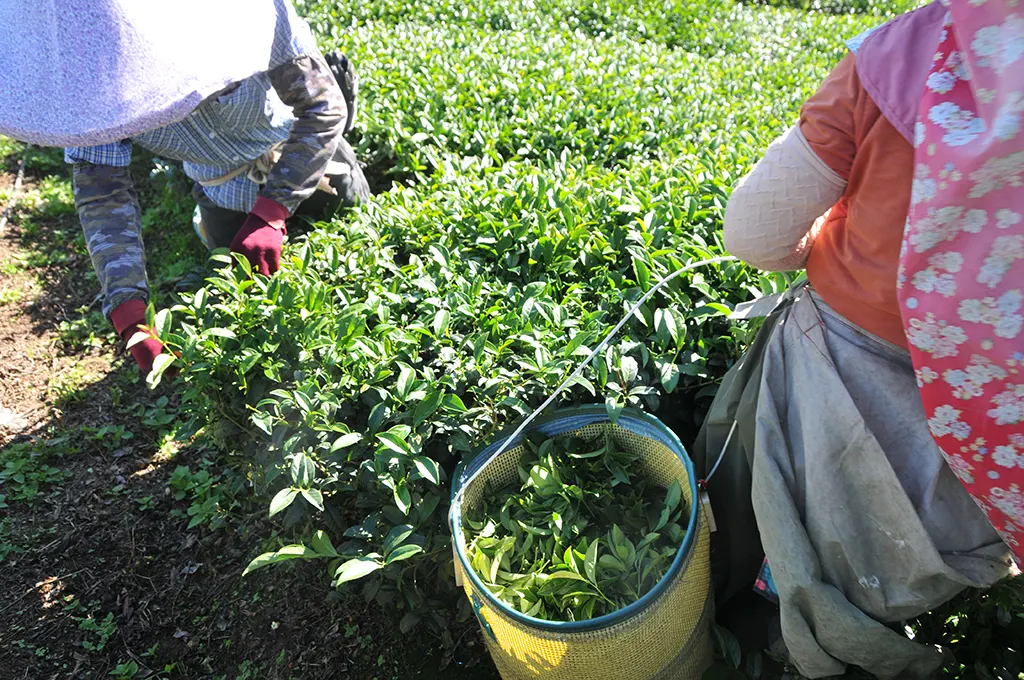
In recent years, the production costs of Taiwanese tea have skyrocketed. Aside from a massive surge in fertilizer prices, labor costs have also risen significantly due to labor shortages. Taking high-mountain tea regions as an example, the harvesting cost for 600 g of fresh tea leaves used to be NT$60, but by last winter’s tea season, it had climbed to NT$80. Since it takes 3 kg of fresh leaves to make 600 g of finished tea, the production cost has increased by NT$500 per 600 g.
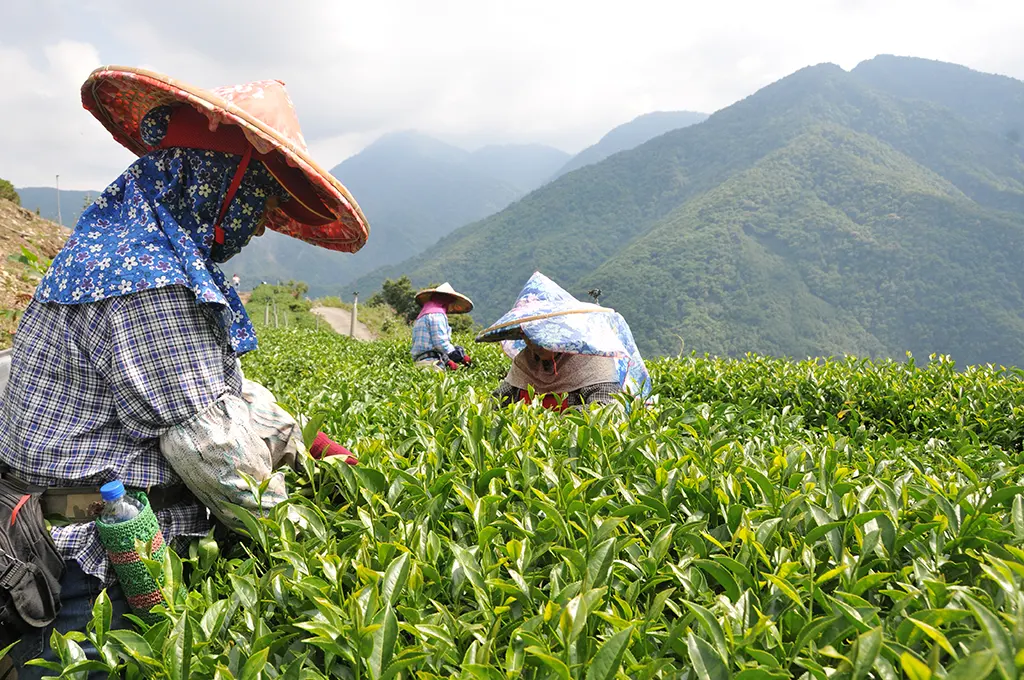
With the aging of Taiwan’s rural population, the backbone of tea harvesting has long shifted from local Taiwanese to new residents and migrant workers. Beyond that, their family members often apply to visit Taiwan on family visa while picking up some work on the side. In recent years, these visiting family members have become a vital workforce for high-mountain tea production. However, after the pandemic broke out, they were unable to enter the country, triggering a wave of severe labor shortages in high-mountain tea regions.
There are two main reasons for the labor crunch in high-mountain tea country. First, it has always been challenging to recruit workers for the high-altitude tea plantations. Second, local tea factories had long grown accustomed to relying on this dedicated harvesting crew, making the labor shortage even more acute after the pandemic hit. 2021 was the worst year for labor shortages; our shop manager even heard of peak harvesting wages reaching NT$100 per 600 g of fresh leaves, which meant a staggering harvesting cost of NT$500 per 600 g of finished tea.
A tea factory owner mentioned that without the help of migrant workers and visiting family members, the tea simply wouldn’t get harvested in time, so they are incredibly grateful for their assistance. For the migrant workers and visiting relatives, the wages for tea picking in Taiwan are fantastic—earning NT$5,000 for a hard day’s work is more than their monthly salary back home. Plus, most Taiwanese people are friendly, so they generally have a real fondness for Taiwan.
Word has it that restrictions on migrant workers entering the country were eased starting in March, and family visits have also returned to normal. Hopefully, this will help ease the severe tea-harvest labor shortage during this year’s spring tea season. Come to think of it, Taiwan’s tea industry has faced quite a few challenges from 2020 to 2023: three droughts in two years, soaring fertilizer prices, an epic cold snap in the high mountains, and a massive labor shortage. Looking back, it’s still a headache.