Just to be clear, this article is about the “Hei Mao Hou” tea cultivar, not the actual animal! If you clicked expecting a monkey, feel free to hit the back button 😂. Otherwise, hope you enjoy reading!
Rare Tea Cultivar: Hei Mao Hou
Many tea lovers are familiar with the Bai Mao Hou (White Hair Monkey) cultivar, which is prized for making premium Oriental Beauty tea. But if there’s a White Hair Monkey, is there a Black Hair Monkey too? Believe it or not, there actually is! 😆😆😆
Like Bai Mao Hou and Qingxin Oolong, Hei Mao Hou is an heirloom cultivar brought to Taiwan by early mainland immigrants. It is said to yield exceptionally high-quality oolong tea with a distinct varietal aroma. However, much like Bai Mao Hou, it suffers from low yields and high susceptibility to disease. Because of its poor economic viability, few farmers cultivate it today. As a result, tea made from this variety is nearly impossible to find on the market, with only scattered plantings remaining in northern Taiwan.
Characteristics of the Cultivar
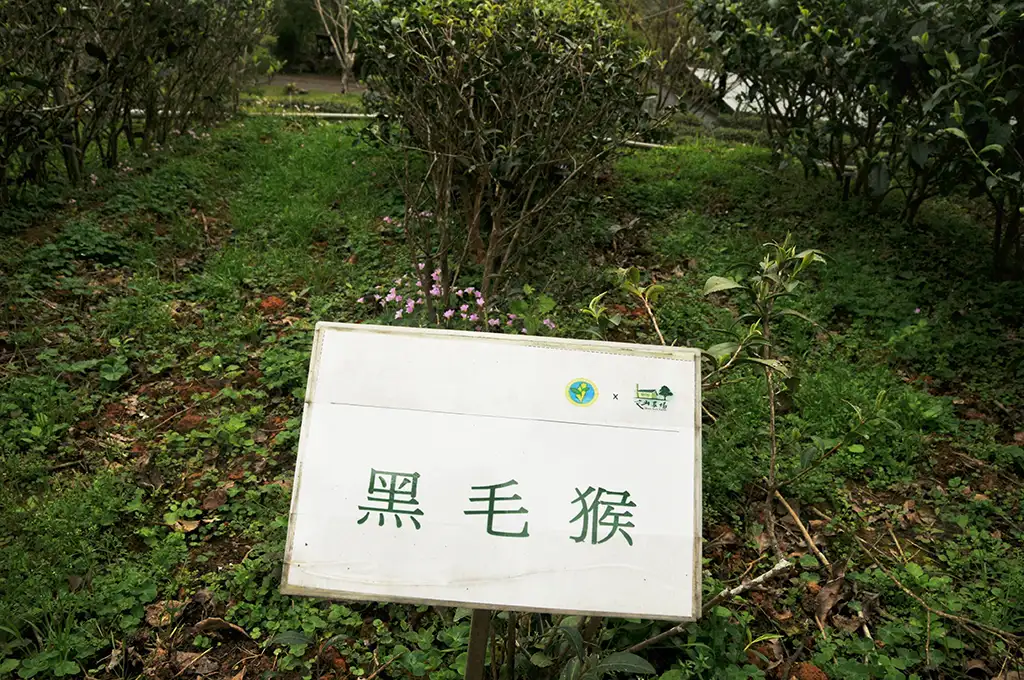
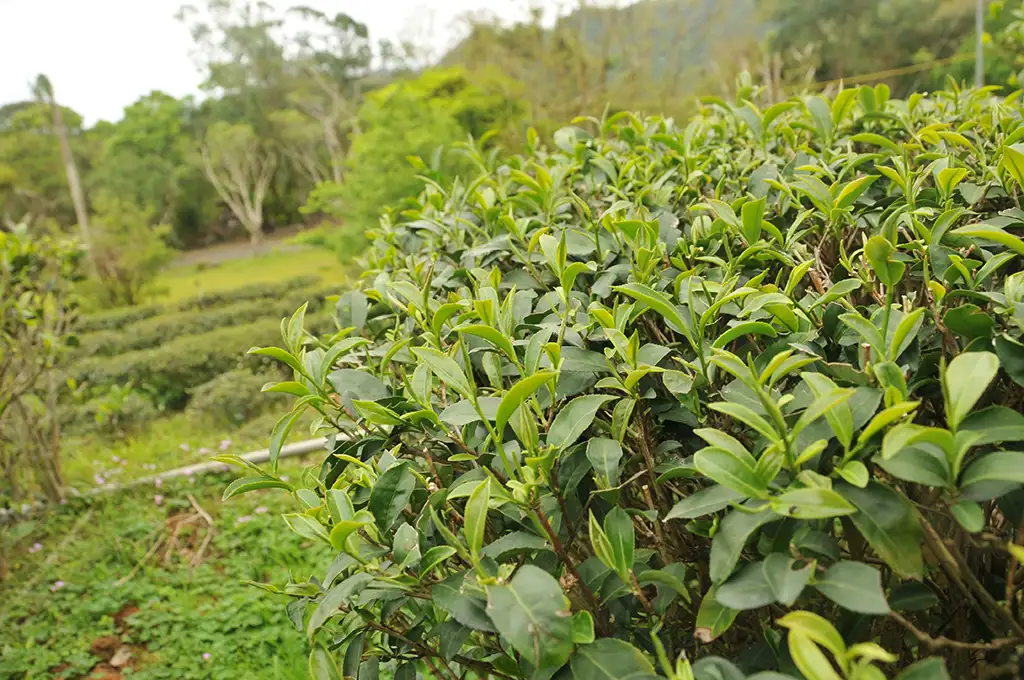
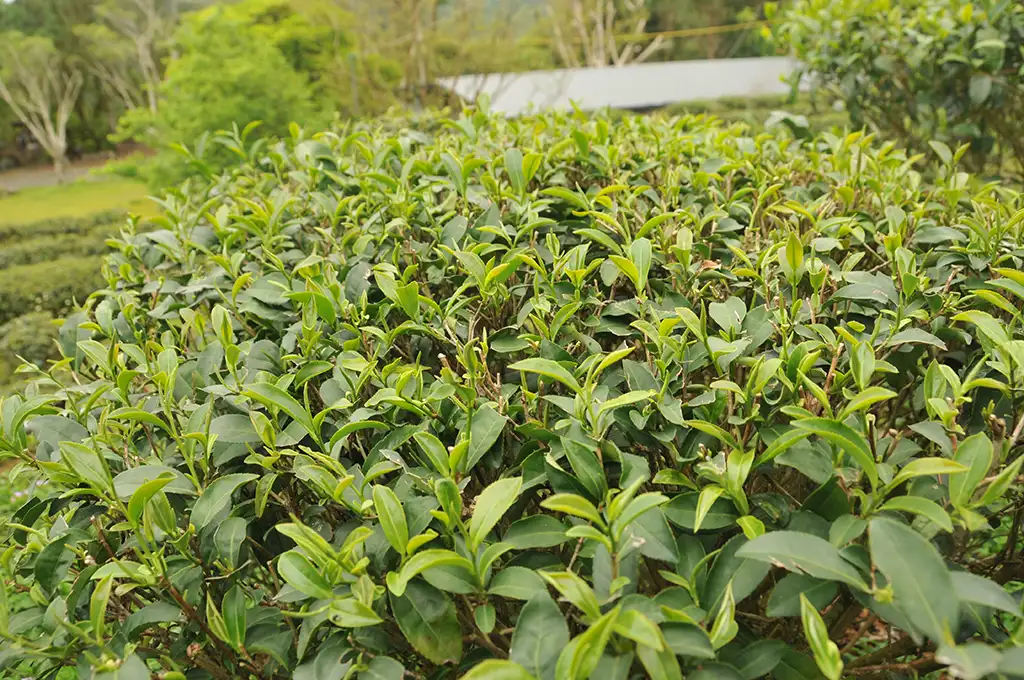
In terms of appearance, the Hei Mao Hou tea bush and its leaves are larger than those of Bai Mao Hou. The leaves are oval-shaped, and the petals are slightly smaller. When crafted into oolong, it is said to rival Qingxin Oolong in quality, boasting a prominent varietal aroma. The photo shows a Hei Mao Hou tea bush at the Wenshan Farm in Xindian. Its leaf shape resembles Bai Mao Hou, while its bush structure is somewhat similar to lowland Qingxin Oolong. Like Bai Mao Hou, its young leaves lean slightly yellowish in color.

Much like Bai Mao Hou, Hei Mao Hou is a rare cultivar that gradually faded away because it wasn’t as commercially viable as Qingxin Oolong. In recent years, Bai Mao Hou has staged a comeback thanks to its popularity in making Oriental Beauty tea. Will Hei Mao Hou ever get its turn in the spotlight? On a side note: Does anyone know why it’s named ‘Black Hair Monkey’? The leaves are a bright yellowish-green!