It has been a full year since the outbreak of the Russia-Ukraine war. The active military conflict has driven up the costs of fertilizer and transportation for Taiwanese tea, while also dealing a blow to sales—with Eastern Europe naturally taking the hardest hit.
Back in 2019 and 2020 before the pandemic, the store manager noticed that orders from Eastern Europe suddenly “increased.” We figured someone must have been promoting Taiwanese tea there, or perhaps our tea received rave reviews in a tea enthusiasts’ group, with friends spreading the word. However, we barely had time to celebrate before the pandemic hit, disrupting many international flight routes and cutting our orders directly in half. Then came the Russia-Ukraine war, which slashed our orders by yet another major chunk.
Naturally, the sharpest decline came from Russia. Due to sanctions, neither PayPal nor credit cards could be used, dropping our orders there straight to zero. Neighboring Poland, the Czech Republic, and Hungary also saw numbers close to nothing. Even Western Europe, which originally had steady orders, dropped by a third—likely due to the sense of crisis brought on by the war, causing everyone to cut back on spending for beverages.

As the pandemic eased, the store manager felt that orders from Western Europe gradually returned to normal, but orders from Eastern Europe and Germany are still lingering at rock bottom; I suppose we just have to wait until the conflict ends. The store manager finds it quite a pity. Missing out on orders is secondary, but losing the chance to promote Taiwanese tea in Eastern Europe is truly a major loss. We can only pray for the Russia-Ukraine war to end soon. There are no winners in war, and even the Taiwanese tea industry has suffered as collateral.
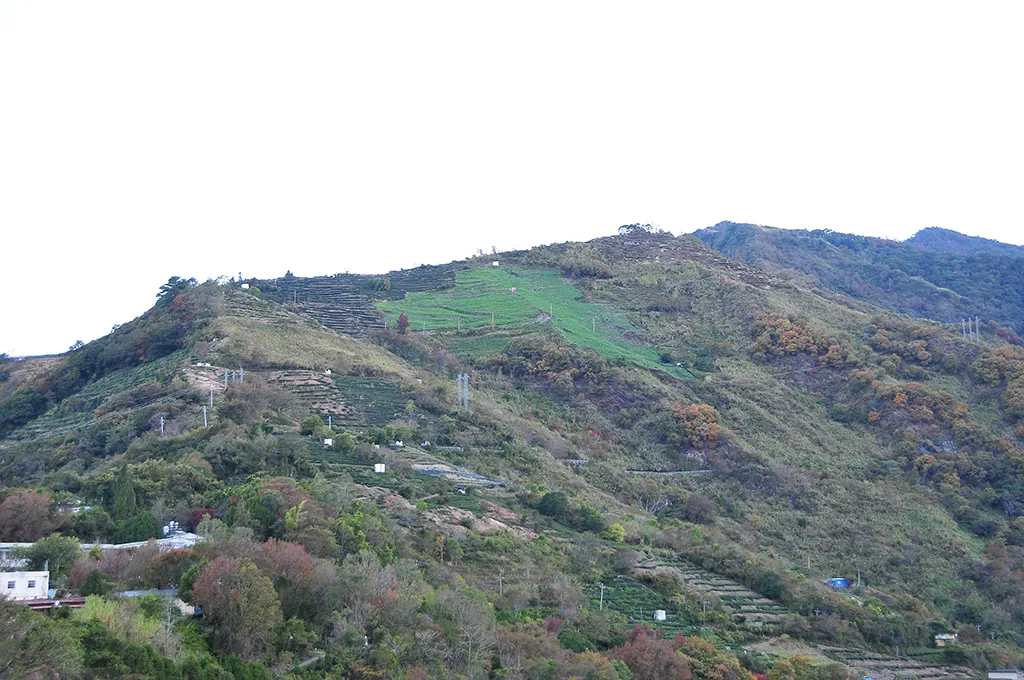
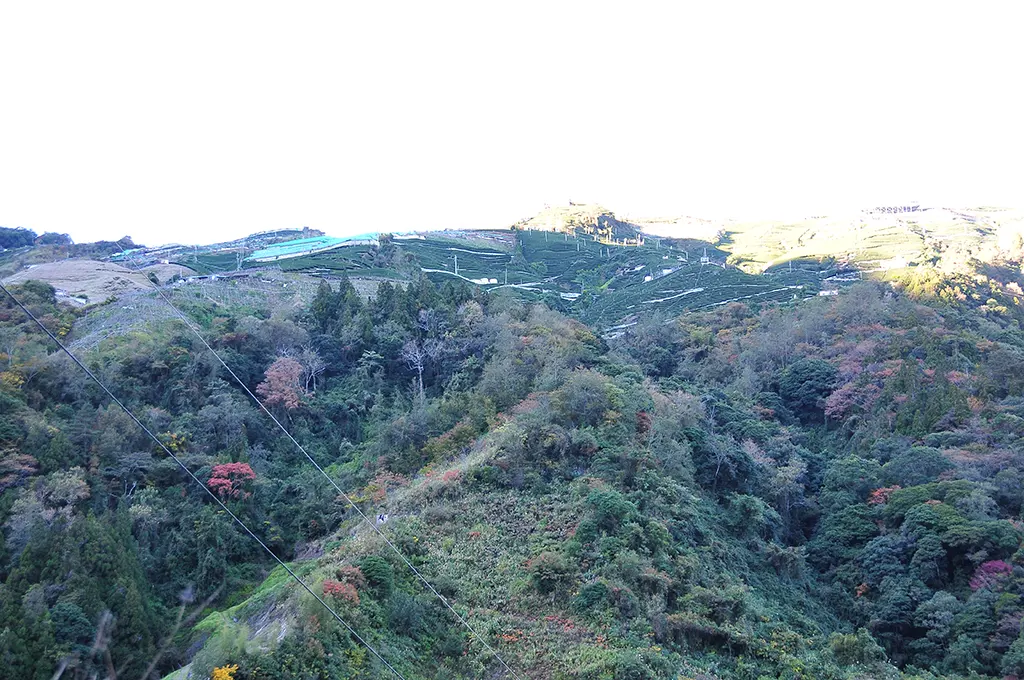
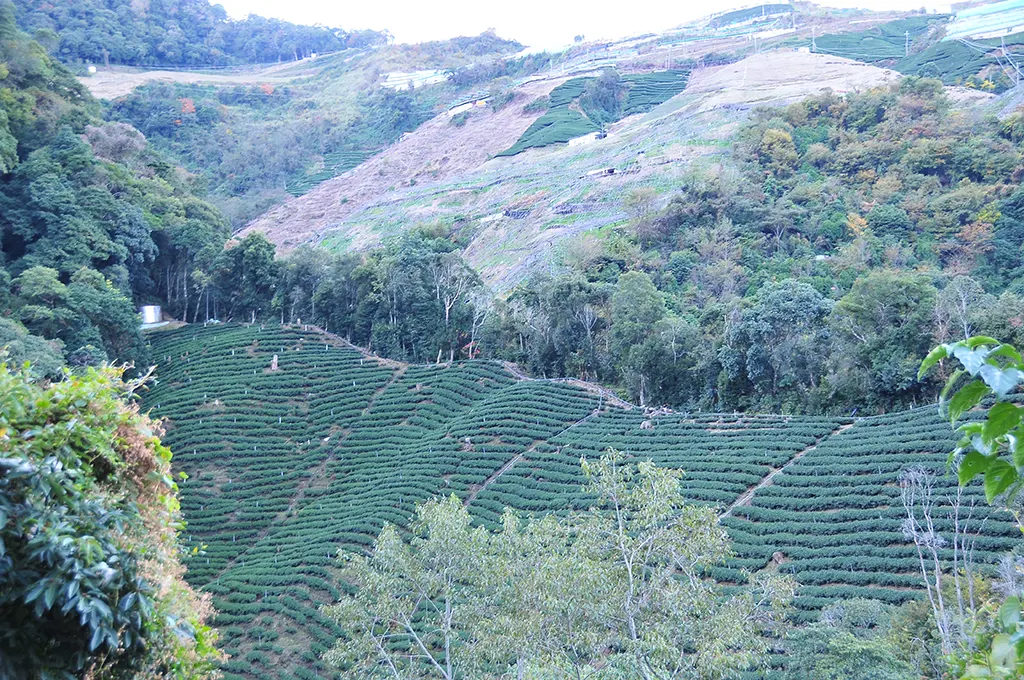
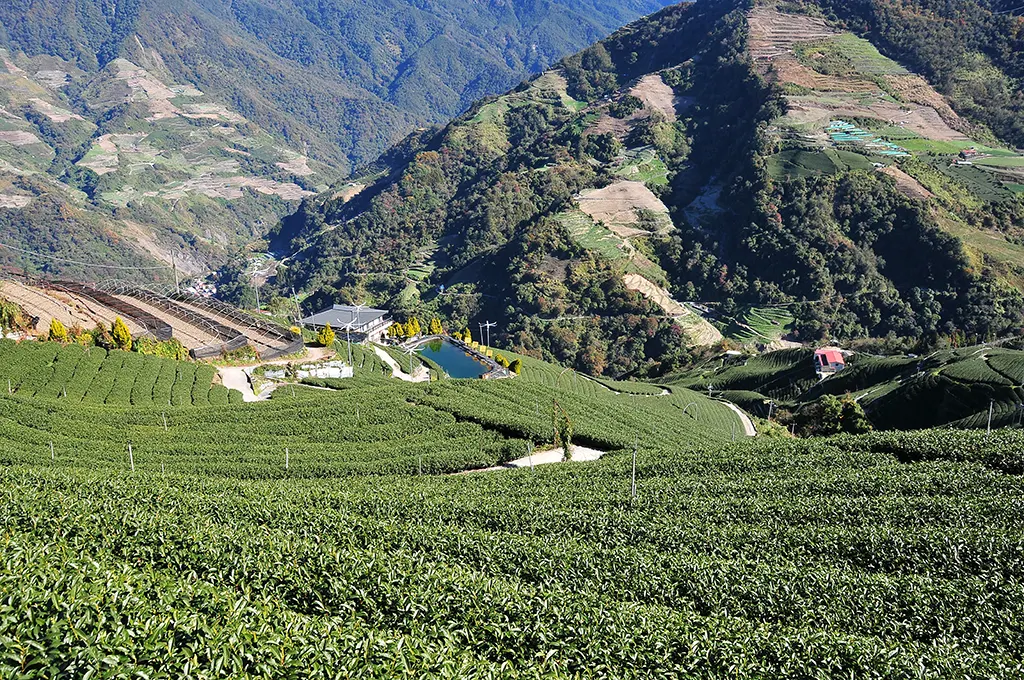
Note: The above are beautiful winter photos of the Qilai Tunyuan and Jingguan tribal villages.