
Netizen’s Question: I’ve heard that the higher the altitude, the better the tea quality and the sweeter the taste. Aside from that, what are the unique characteristics of high-altitude teas in terms of flavor and appearance?
Chang Hsing Tea: Inherently, the higher the altitude, the slower the tea bushes grow. Slower growth results in a richer, more solid flavor profile. Additionally, because high-altitude areas get very cold at night with a wide temperature swing between day and night, the bitterness and astringency in the tea leaves are reduced, making the tea taste naturally sweeter. These are the inherent traits of high-altitude teas.
On the nurturing side, since high-altitude conditions make tea cultivation challenging, tea farmers also employ much more attentive care methods compared to low-land farms. This includes heavy use of organic fertilizers and setting up sprinkler systems, which results in thicker tea leaves. During processing, to highlight the distinct flavors of various high-mountain teas, they typically undergo light fermentation with no roasting, giving them a fresh and fragrant aroma.
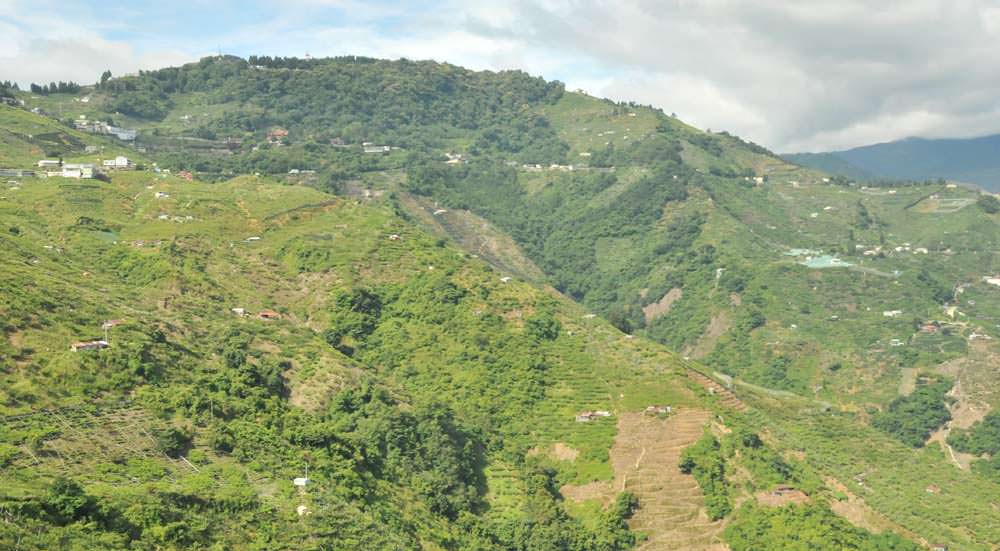
Beyond that, the ultimate hallmark of high-altitude tea is “mountain rhythm” (Shan Tou Yun)—the unique terroir produced by different mountain peaks. This is what makes Taiwanese high-altitude tea so special and virtually impossible to replicate. Regular drinkers of specific high-altitude teas can instantly tell them apart by a single sip. Taiwan’s major high-altitude tea regions, including Dayuling, Lishan, ShanLinXi, and Alishan, each possess their own distinct mountain rhythm and loyal following. You could say that every region’s tea has its own unique character, which is why Taiwanese high-altitude tea is so immensely popular.