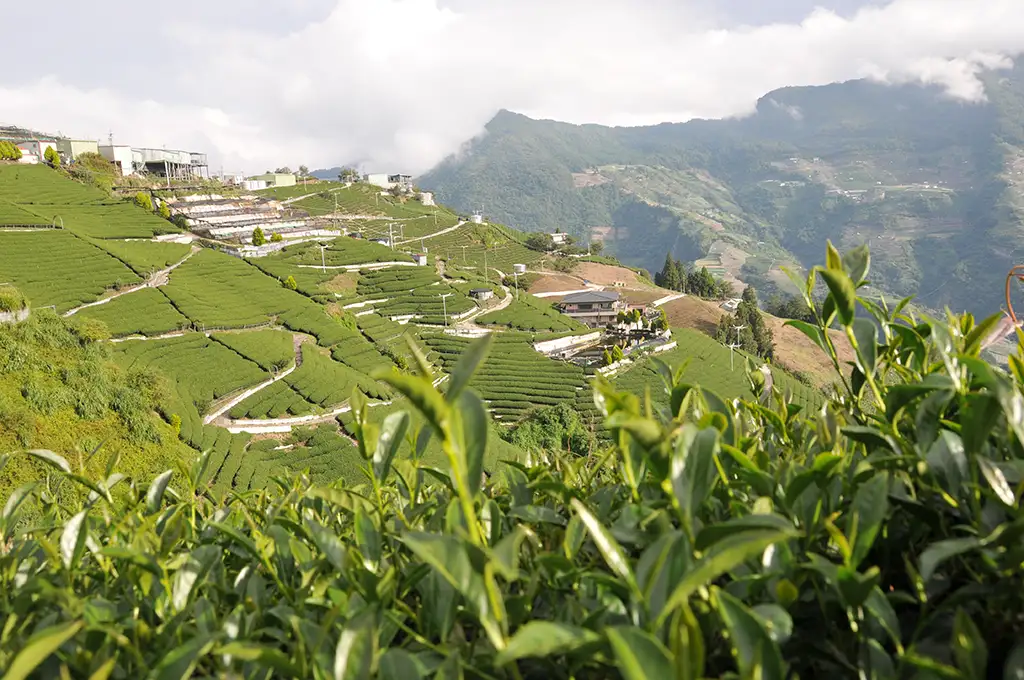
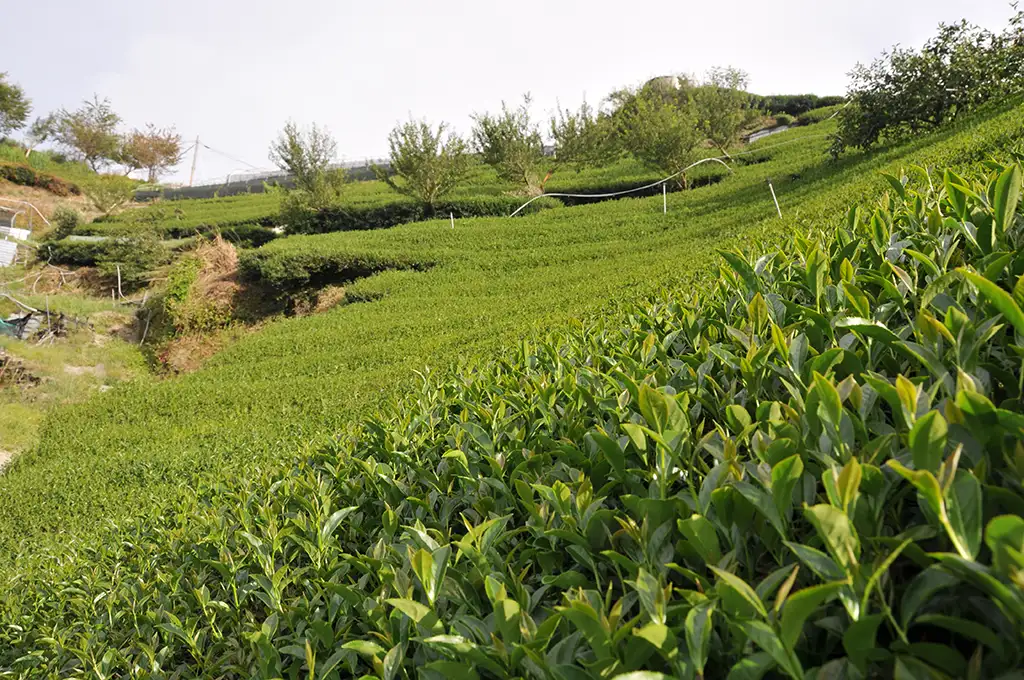
A tea enthusiast asked: What is Gaoleng tea? What is the difference between Taiwanese Gaoleng tea and Taiwanese high mountain tea? And which region produces the best Gaoleng tea?
What is Taiwanese Gaoleng Tea?
The definition of Taiwanese high mountain tea, agreed upon by the tea industry, is “tea grown in tea gardens at an altitude of 1,000 meters or higher.” As long as the tea grows in a garden above 1,000 meters, it can be called high mountain tea, whether it is black tea, green tea, or oolong. High-altitude tea carries a distinct aroma; the higher the altitude, the more pronounced the aroma and the higher the price. To differentiate their products from regular high mountain tea, tea merchants coined the term “Taiwanese Gaoleng tea” around 2010 to indicate that their tea comes from “even higher high mountain tea regions.” As for exactly how high “higher” is, there is no universal consensus, though 1,600 meters and 1,800 meters are common benchmarks.

If we use 1,600 meters as the standard, the Taiwanese Gaoleng tea regions exceeding this altitude currently include LongFengXia, Cingjing, Cuifeng, Qilai Mountain, Malieba, Diaoqiaotou, Lishan (Cuiluan, HuaGung, Fushoushan, Xinjiayang), Biluxi, and Dayuling.
Which Gaoleng Tea is the Most Famous and Best Tasting?
As for which alpine tea tastes best, there’s no single answer. Tea is an agricultural product, and quality depends heavily on tea garden management and harvesting weather, not just altitude. Every tea region has both great and poor teas; there’s no guarantee that alpine tea from any specific location will automatically taste better. In terms of altitude, Lishan HuaGung and Fushoushan Farm are the highest (2,300–2,500 meters), theoretically making them the origins with the best innate conditions for growing alpine tea.
Store Manager's Review
Alpine tea is simply a marketing term, so tea lovers don’t need to take it too seriously.
Alpine Tea FAQ
Is alpine tea green tea?
Alpine tea refers to tea leaves grown in gardens at altitudes above 1,600 meters. These leaves can be post-processed into green tea, black tea, or oolong tea. In Taiwan, however, they are typically made into oolong tea, commonly known as lightly fermented Taiwan oolong.
How to brew alpine tea
Use 100 ml of boiling water with 6–8 g of tea leaves. For 6 g of leaves, steep for 3 minutes; for 8 g, steep for 2 minutes before drinking. Add 60 seconds to each subsequent steep. This is a standard brewing method; feel free to adjust the amount of tea and steeping time to suit your personal preference.
Alpine tea price
Prices generally depend on altitude—the higher the altitude, the higher the price. Winter tea is the most expensive, followed by spring tea, while autumn and summer teas are relatively affordable. The most budget-friendly summer teas start at just over NT$1,000 retail. The most expensive tea from Fushoushan Farm can cost up to NT$10,000 per 600 g.
Health benefits of Taiwan alpine tea
Alpine tea contains caffeine, so it helps boost alertness. While various other health claims circulate, medical evidence remains inconclusive, so it’s best to simply enjoy alpine tea as a delicious beverage.