What is Tea Washing? Is It Necessary to Wash Tea Leaves?

Tea washing originally stemmed from a lack of trust in past tea production hygiene, later evolving into a ritualistic practice within tea ceremonies. Aside from the needs of a tea ceremony, is tea washing actually necessary?

What is tea washing

What is Tea Washing? Is It Necessary to Wash Tea Leaves?

Tea washing refers to rinsing the tea leaves—essentially discarding the first or even the second brew instead of drinking it—with the goal of washing away dust and potential pesticides. However, with improvements in Taiwan’s tea production hygiene, tea washing hasn’t been necessary for over thirty years.

Can tea washing rinse away pesticides? The use of pesticides on Taiwanese tea leaves is strictly regulated, and most pesticides are fat-soluble, meaning they won’t dissolve into the tea liquor. Unless you plan to eat the entire tea leaf, you have nothing to worry about.

What is tea washing

Which Teas Must Be Washed?

If your tea is of unknown origin or you lack confidence in its hygienic conditions, then you should wash it. Pu-erh tea, especially ripened (shou) Pu-erh produced via pile-fermentation, can benefit from a wash to remove potential dust, bacteria, and impurities. It is still recommended to rinse it once with hot water before drinking, treating it as a warming rinse.

What is tea washing

Aside from the courtesy requirements of tea ceremonies, Taiwanese tea doesn’t need to be washed because production hygiene and pesticide regulations are extremely rigorous. As for teas with unclear hygiene conditions or unknown origins, washing remains necessary.

Tea Washing Q&A

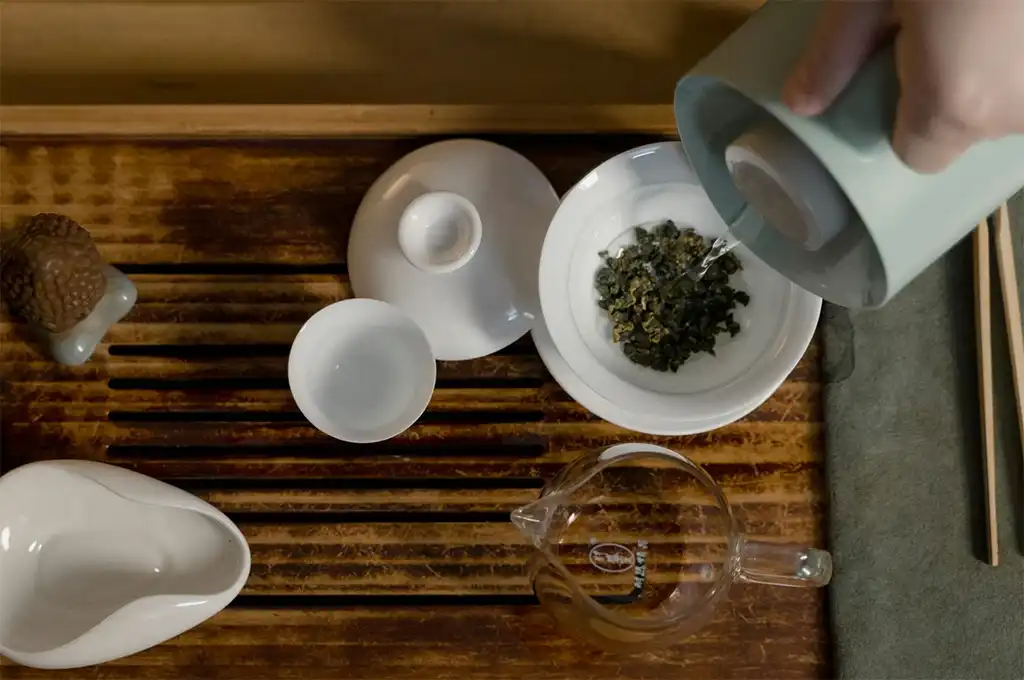
How do you wash tea?

Place the tea leaves into a teapot or gaiwan, pour in hot water just enough to cover the leaves, and pour it out after 3 to 10 seconds.

Shopping Cart