
What is Winter Sprout Oolong? Winter Sprout Oolong is a rare tea known for its unique flavor profile. Taiwan’s tea harvest typically occurs four times a year: spring, summer, autumn, and winter. Normally, after the winter harvest, the tea bushes enter dormancy until spring. However, due to warmer winters, a final flush of growth sometimes occurs right before the winter solstice—this is what we call Winter Sprout Oolong. Traditionally, Winter Sprout Oolong is defined as tea harvested between the winter harvest and the winter solstice, distinguishing it from “Buzhichun” (Unknown Spring) tea, which grows between the winter solstice and the spring harvest. Some people prefer not to make such a strict distinction, considering any tea harvested between the winter and spring harvests as Winter Sprout Oolong.
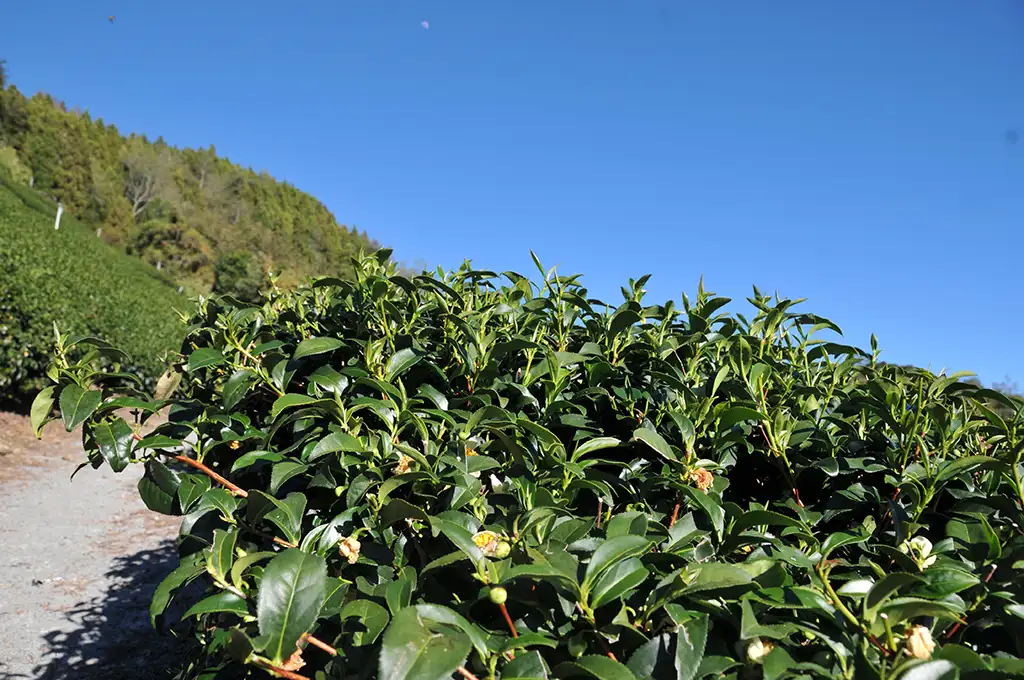
A Distinctive Tea of the Cold Winter: Winter Sprout Oolong
In the past, Winter Sprout Oolong was rarely seen on the market because global warming was not as severe, and the primary tea variety—Qingxin Oolong—exhibited very little winter growth. In recent years, however, warmer winters and the widespread cultivation of varieties like Sijichun and JinXuan have led to an increase in Winter Sprout Oolong production. Even so, the yield of Winter Sprout Oolong is at most 30% of the regular winter harvest, meaning demand still far outstrips supply.
Why Winter Sprout Oolong is So Popular
Many people assume that Winter Sprout Oolong, being harvested in winter, should taste similar to regular winter tea. In reality, that is not quite accurate. Winter Sprout Oolong not only features the smooth, mellow quality of winter tea, but it also carries an extra touch of the distinctive, cooling “mountain rhythm” typical of high mountain teas.
Tea lovers know that in cold weather, tea bushes grow more slowly, resulting in thicker leaves with reduced bitterness, a developed cooling finish, and a sweeter taste. Lowland teas usually cannot achieve these characteristics, but due to milder winters, lowland Winter Sprout Oolong benefits from a growing environment akin to high-mountain regions. As a result, its flavor depth and mouthfeel are elevated, sometimes even rivaling high mountain teas grown at altitudes above 1,500 meters.
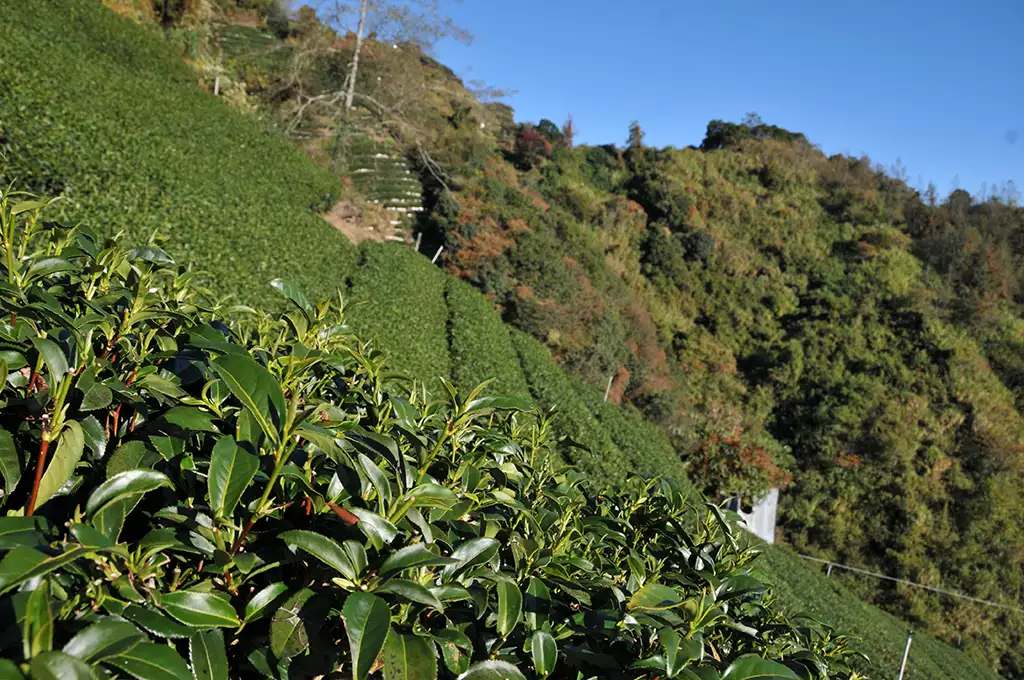
The Secret to Brewing Delicious Winter Sprout Oolong
For Winter Sprout Oolong to thrive, favorable weather is not enough; the tea trees must also be vigorous and lush. If the condition of the tea bushes is poor, no amount of warm weather will yield a harvest of Winter Sprout Oolong. Therefore, weeding and pest management in the tea garden cannot stop after the winter harvest. Fertilization must also be applied as needed to ensure the tea trees build up sufficient energy reserves.
After the winter harvest, if a cold wave arrives too early, the tea buds will fail to grow properly, and there will be no Winter Sprout Oolong to harvest that year. The best way to ensure a successful harvest of high-quality Winter Sprout Oolong is to harvest the winter tea early or skip it altogether. This not only allows the tea plants to store up ample energy reserves, but also protects the early buds from cold snaps. Once the tea plants reach the stage of one bud and two leaves, there is no need to fear cold fronts; on the contrary, the low temperatures slow down the growth rate, resulting in even better tea quality.