
Tea Lover Inquiry: I bought Dayuling High Mountain Tea from you last time. The quality is fantastic, and I really enjoyed it. The other day while walking around, I saw another tea shop selling Dayuling High Mountain Tea for only NT$1,200 per 600 g. Why is there such a huge price gap? They’re both Dayuling teas, so how can the prices differ by up to 6 times?
Liao Chang Xing: Hello Ms. Tung, thank you for your question. Dayuling High Mountain Tea is Taiwan’s highest-altitude high mountain tea, starting from 2,200 meters above sea level. The high mountain environment means higher tea production costs. Factor in processing and sales expenses, and the production cost alone for Dayuling High Mountain Tea exceeds NT$1,500 per 600 g, making it naturally much more expensive than lowland tea.
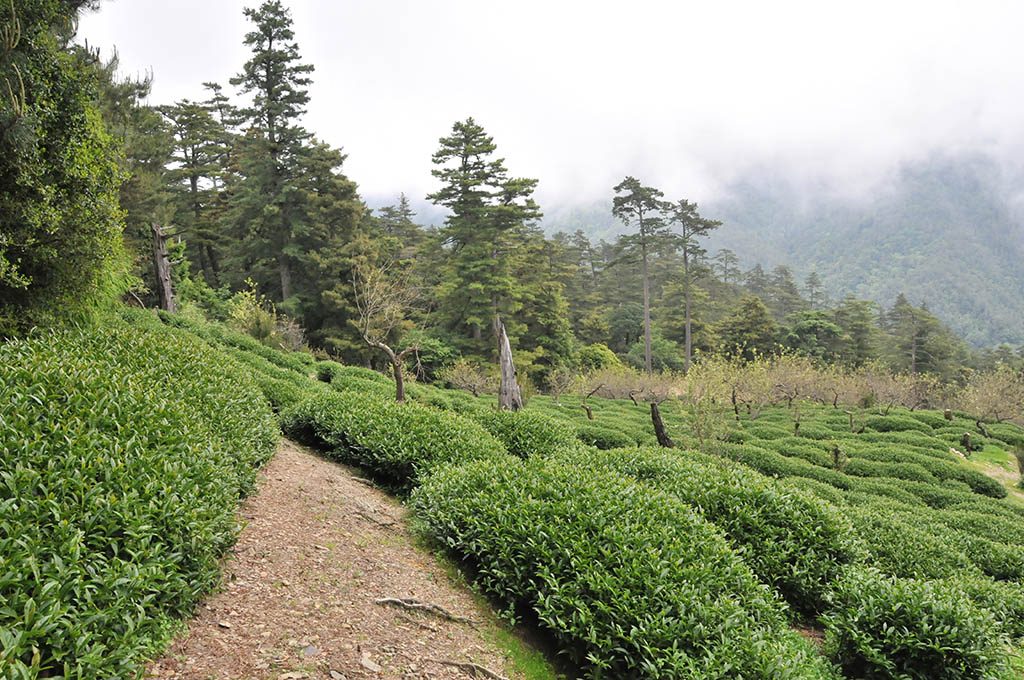
▲ Dayuling High Mountain Tea grows at high altitudes and comes with a higher price tag.
Additionally, Dayuling High Mountain Tea has a very limited yield. Combining all tea gardens from the 100K to 105K marks, the annual output is only 10,000 kg. This 10,000 kg is not only for tea lovers in Taiwan; buyers from across the strait, Japan, Europe, and the US are all competing for it, resulting in a market where demand far exceeds supply. Due to high costs, low yields, and huge demand, Dayuling High Mountain Tea commands the highest price among all high mountain teas. Spring tea wholesale prices typically start above NT$4,000 per 600 g, and winter tea is even pricier. If a shop sells it for just NT$1,200 per 600 g, it definitely wouldn’t cover production costs.
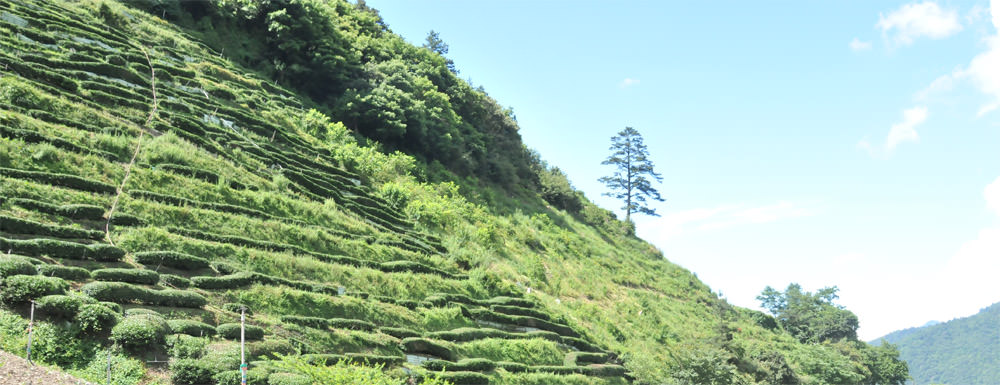
▲ High mountain tea plants are difficult to maintain and yield lower quantities.
Liao Chang Xing’s Dayuling High Mountain Tea is pricier than others mainly because we source our tea from the highest-altitude tea gardens. This garden sits at 2,700 meters, delivering an incredible lingering aftertaste (throat qi), and that exceptional quality is naturally reflected in its price. We hope this clears things up for Ms. Tung, and we wish you great tea every day.
2022 Update: Most of the Dayuling tea trees have been cleared, and the current annual output for spring and winter teas is about 3,000 kg. Liao Chang Xing no longer sells Dayuling tea.