
When thinking of Japanese green tea, Matcha, Gyokuro, or Sencha often come to mind. While these are higher-priced varieties, Bancha serves as a much more accessible everyday beverage in Japan. Refreshing and easy to pair with meals or enjoy after eating, Bancha’s budget-friendly price makes it a beloved daily staple across Japanese households.
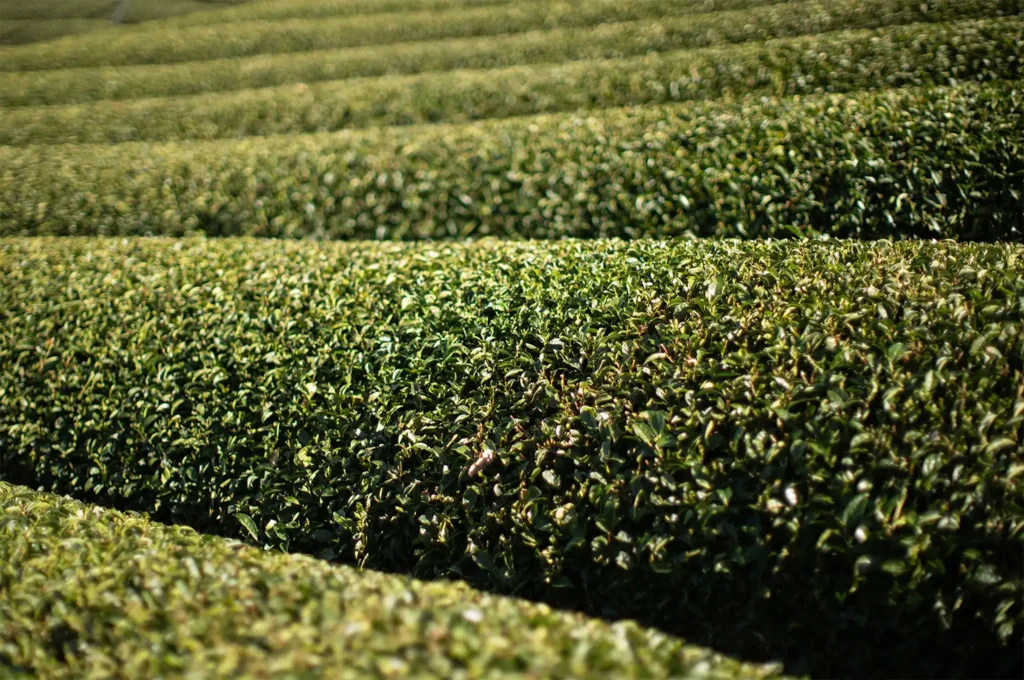
Japanese Bancha Tea: An Unpretentious Everyday Green Tea
Bancha is cultivated and processed similarly to Sencha, but uses larger, more mature leaves harvested during the third or fourth picking rounds of the season. Made from later-harvest leaves, Bancha is far more affordable, earning its place as an essential go-to tea in Japanese homes. While it doesn’t feature the delicate young shoots of premium teas, its simple, grounded flavor and approachable price make it ideal for relaxed, everyday drinking—and one of Japan’s most popular daily brews.
Bancha Production Process
Bancha is produced across many famous tea regions in Japan, including Kyoto, Shizuoka, and Nara. Its processing method is straightforward, involving a few key steps:
| Harvesting | After harvesting Sencha and Gyokuro, the remaining mature leaves and stems are harvested to make Bancha. Autumn and winter tea leaves are also sometimes used. |
| Steaming | Most Bancha undergoes steaming to preserve the vibrant green color and fresh, clean character of green tea. |
| Rolling | Releases internal leaf juices and shapes the leaves. |
| Drying | Drying reduces moisture content to ensure proper preservation and shelf life. |
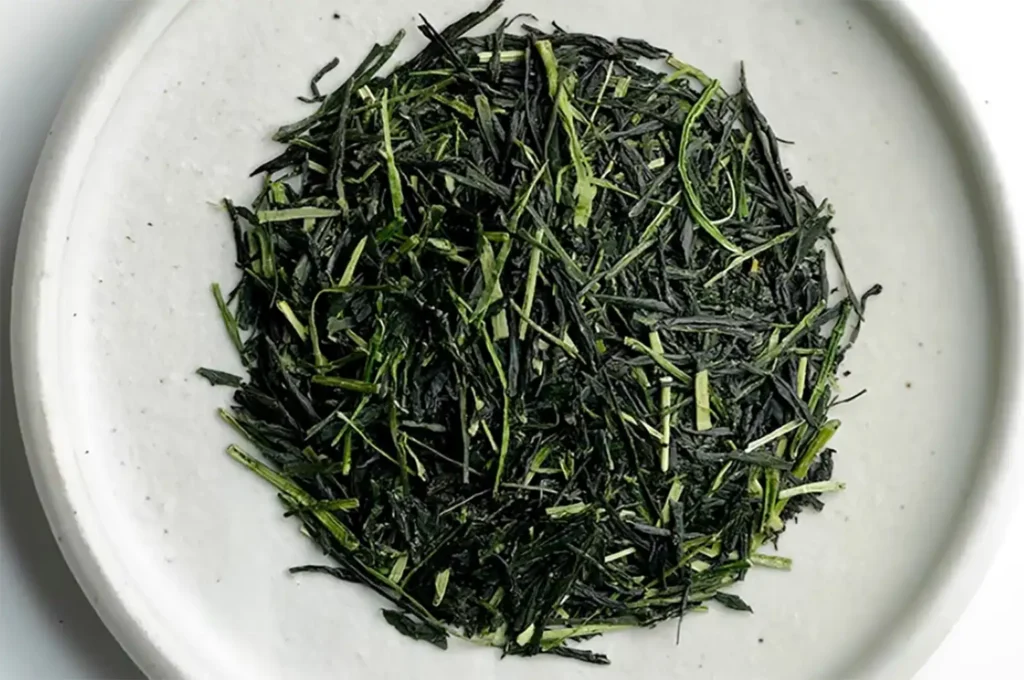
How to Brew
| Water Temperature | Hot water around 80–90°C produces a smooth, enjoyable cup. |
| Steeping Time | Steep for about 30 to 60 seconds. Avoid steeping too long to maintain a balanced flavor. |
| Food Pairings | Pairs well with almost any meal or snack. |
Pros and Cons of Bancha Tea
| Pros | Affordable and great for everyday drinking in large quantities. Refreshing flavor that withstands multiple infusions without easily turning bitter, making it suitable for all ages. Lower in caffeine. Pairs well with a wide variety of Japanese dishes. |
| Cons | Relatively mild flavor profile made from mature leaves, so it is not as rich or intense as high-grade Sencha or Gyokuro. Bancha made from coarser leaves may require longer steeping times to extract its flavor. Some Bancha may be roasted further (becoming Hojicha), which might not suit everyone’s taste preference. |
While Bancha isn’t a luxury tea, its affordability makes it an effortless staple in everyday home life. Whether waking up in the morning, cleansing the palate after meals, or simply unwinding, Bancha is a go-to choice for many.