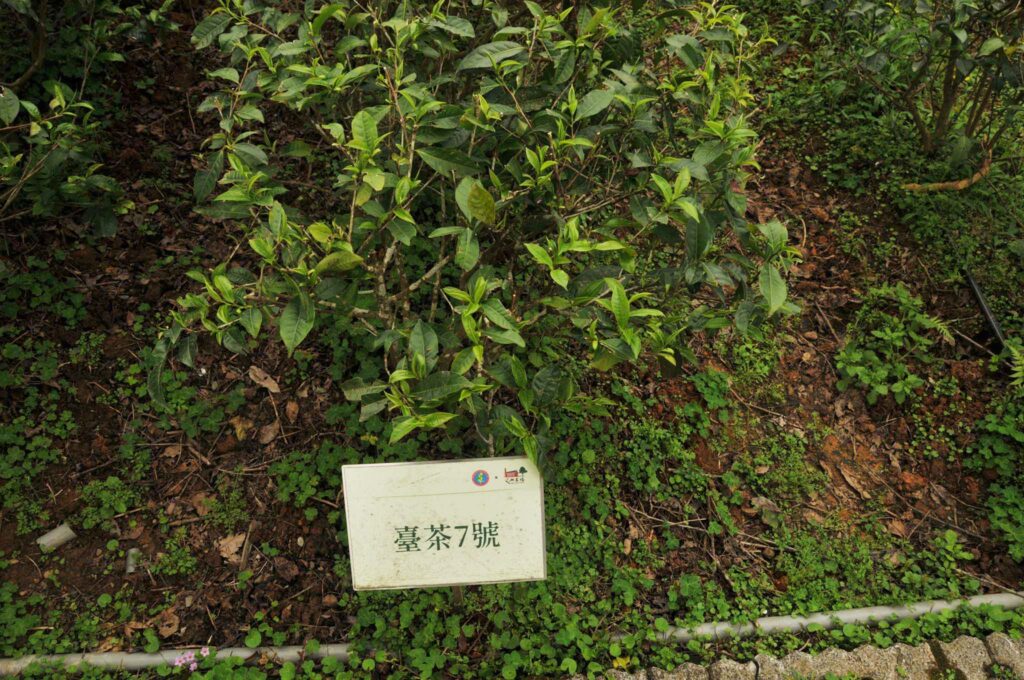
TTES No. 7 is a tea cultivar developed by the Tea Research and Extension Station (TRES). Selected in 1941 from the open-pollinated offspring of the Shan variety, it was officially named in 1974. It is well-suited for black tea production.
Tea Cultivar: TTES No. 7
TTES No. 7 is a large-leaf, mid-early budding cultivar with medium-to-strong growth vigour, excellent pest and disease resistance, but weaker drought tolerance. It is ideal for black tea processing and well-suited for cultivation in central and eastern Taiwan.
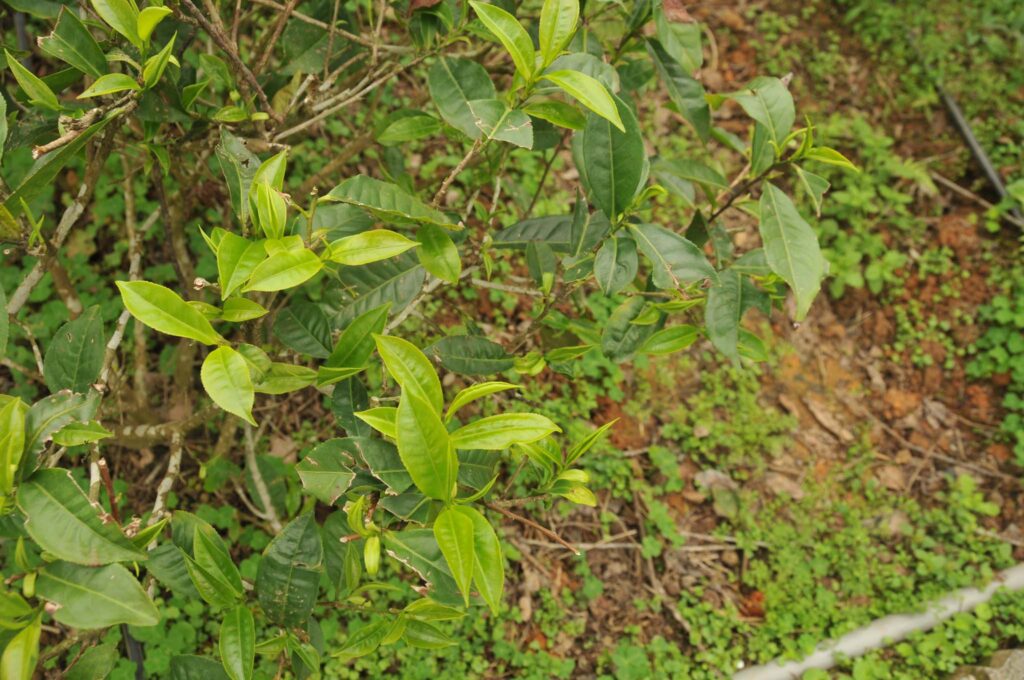
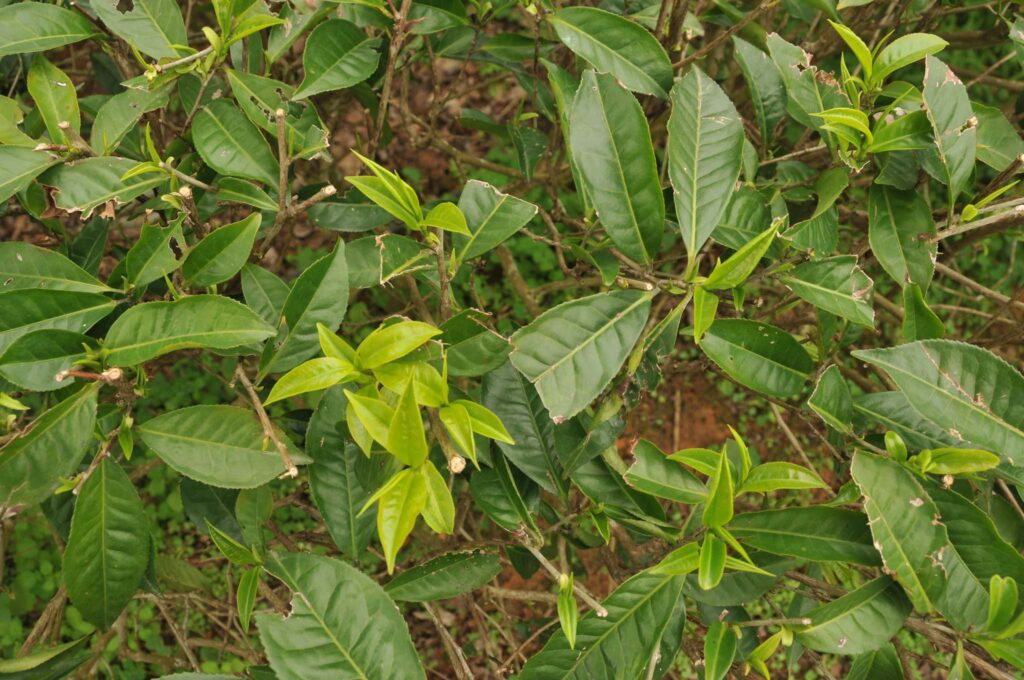
Transcribed from the National Culture Database: The maternal parent of this variety, Shan, was propagated from tea seeds introduced from Thailand by Mr. Guo Shao-san and is still cultivated today at the Dongbang Tea Garden in Puli Township, Nantou County. Shan belongs to the large-leaf variety, featuring strong growth vigour, high pest and disease resistance, and strong drought tolerance, making it suitable for black tea production. TTES No. 7 is a large-leaf, mid-early budding cultivar with a spreading arbor growth habit, dense supple branches and leaves, elongated leaf shape, yellowish-green young buds, and light green leaves. It exhibits medium-strong growth vigour, strong pest and disease resistance, and weak drought tolerance. It is well-suited for black tea production and optimal for cultivation in central and eastern Taiwan.

Our Observations on TTES No. 7
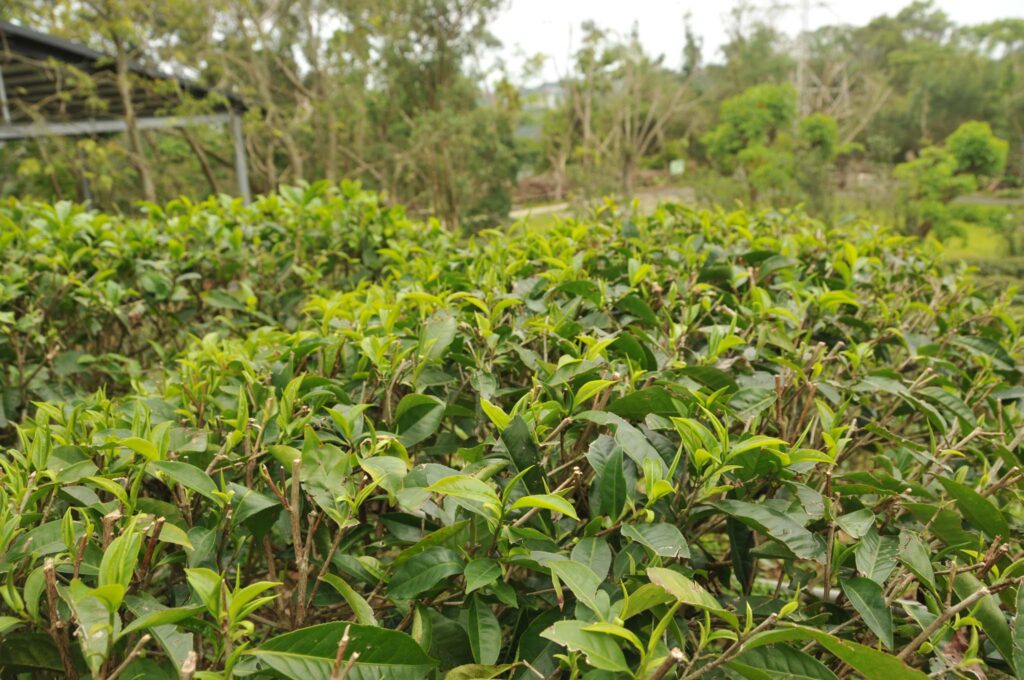
It is said that in the early days, TTES No. 7 and TTES No. 8 Assam were the primary large-leaf black tea cultivars in Taiwan. However, Taiwan’s black tea industry declined after the 1980s until around 2000, when TTES No. 18 sparked a resurgence. This revival also brought back the once-abandoned TTES No. 8 Assam, but TTES No. 7 did not catch this wave. Currently, the dominant large-leaf black tea cultivars in Taiwan are TTES No. 18 (accounting for over 70%) and TTES No. 8 (accounting for 10%), while TTES No. 7 is rarely cultivated. Pictured is a TTES No. 7 tea bush in early April, featuring yellowish-green leaves and vigorous growth.