Taiwan Tea No. 18 Ruby: Taiwan’s Finest Black Tea Variety

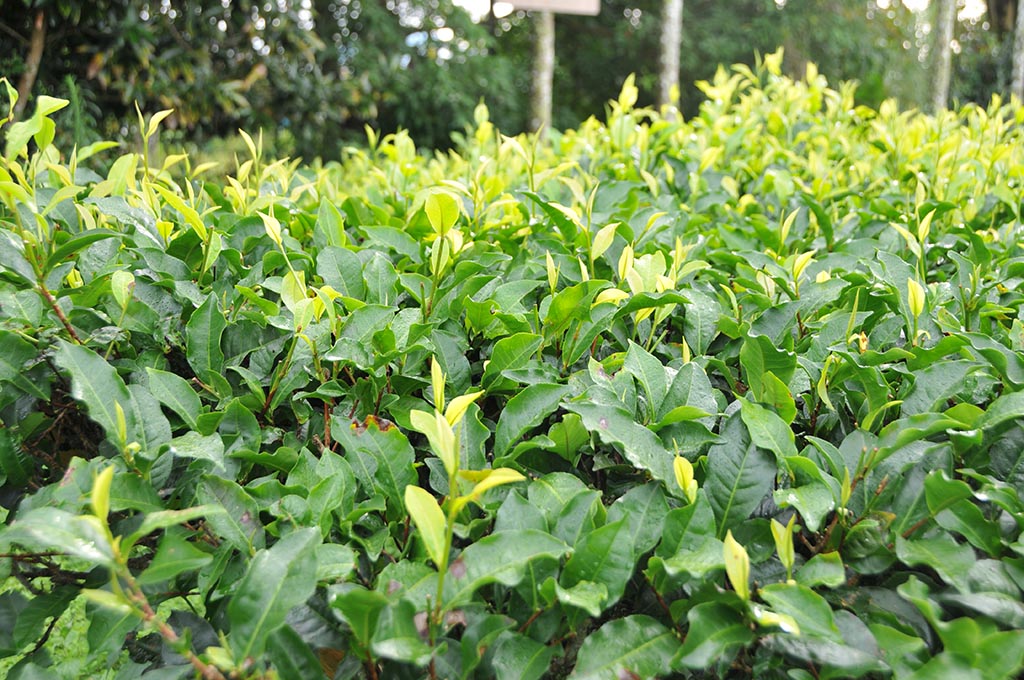
Also known as Ruby, Taiwan Tea No. 18 is a new variety bred by the Yuchi Branch of the Tea Research and Extension Station (TRES). Developed by crossing native Taiwanese wild mountain tea with Burmese large-leaf varieties, it features a rich, smooth, and refreshing taste with subtle notes of cinnamon and mint, and is commonly used to make black tea.

Taiwan Tea No. 18 Ruby

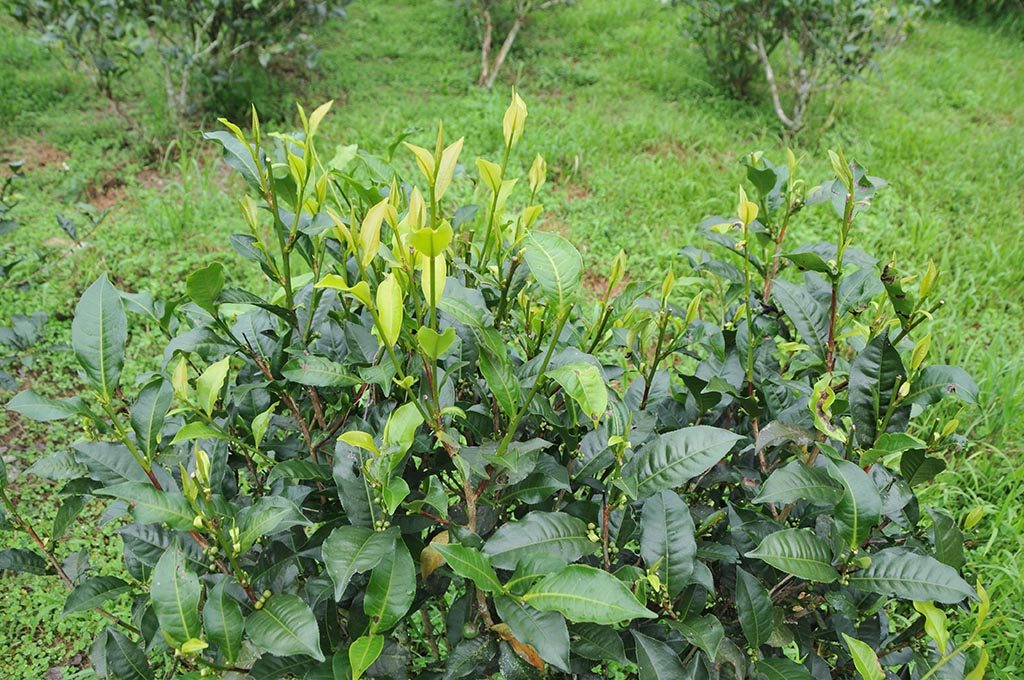
Main cultivation areas for Taiwan Tea No. 18 Ruby

Since it was bred by the Yuchi Branch of the Tea Research and Extension Station, the Yuchi region naturally became the primary cultivation area for Taiwan Tea No. 18. Following its launch in 1999, Taiwan Tea No. 18 drove the overall development of black tea in Yuchi Township, even leading to many betel nut plantations being converted to grow Ruby tea.

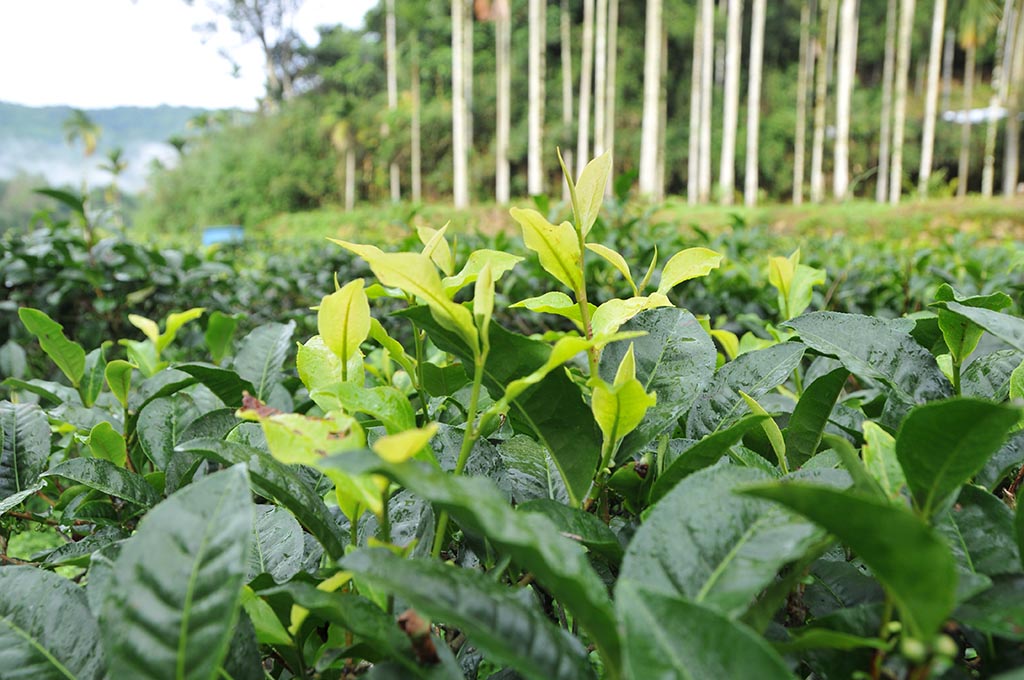
Around 2010, Taiwan Tea No. 18 Ruby became the dominant tea tree variety in the SunMoon Lake tea region, and SunMoon Lake Ruby Black Tea has since become one of Taiwan’s most iconic black tea products.

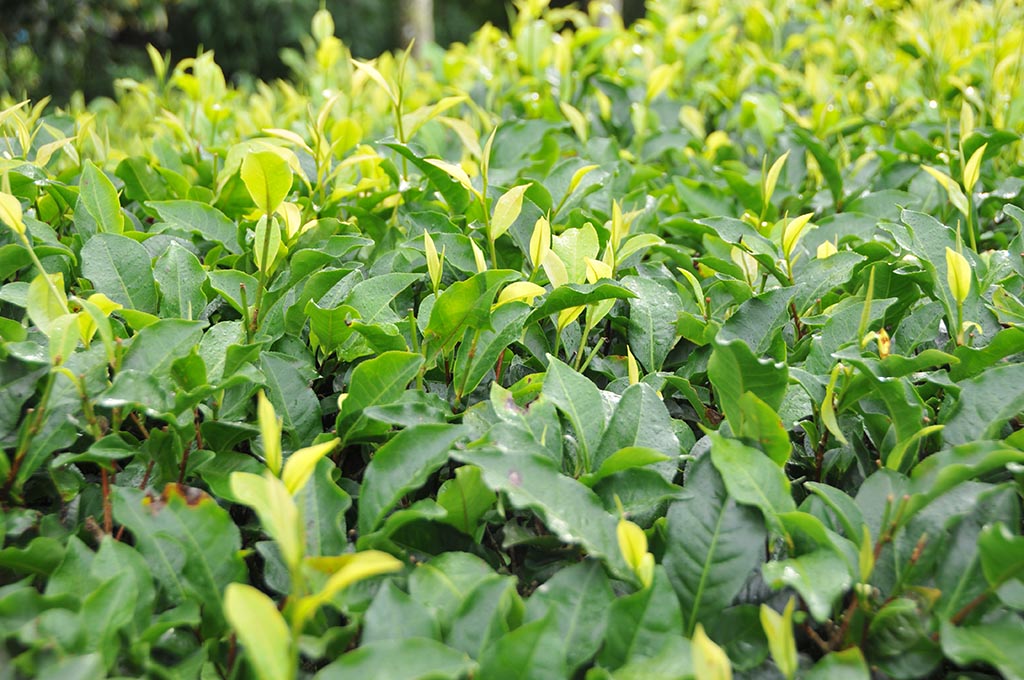
Taiwan Tea No. 18 Ruby

Taiwan's finest black tea tree variety

In recent years, there has been talk of the “four major black tea tree varieties” in SunMoon Lake: Assam, Taiwan Tea No. 21 (HongYun), Taiwan Tea No. 18, and Taiwan native wild purple bud mountain tea. Based on observations over the past few years, Taiwan Tea No. 18 remains the strongest performer, accounting for over 70% of sales.

Its rich flavor and delicate cinnamon-mint aroma are its defining characteristics. It can be harvested from March to October, yielding up to six harvests a year. The harvests from June to September offer the most robust flavor and are the prime season for producing top-quality black tea. Spring and winter teas harvested from March to May and September to October have a higher sweetness but a lighter taste, often used for blending, and in recent years, many have also been used to make white tea.

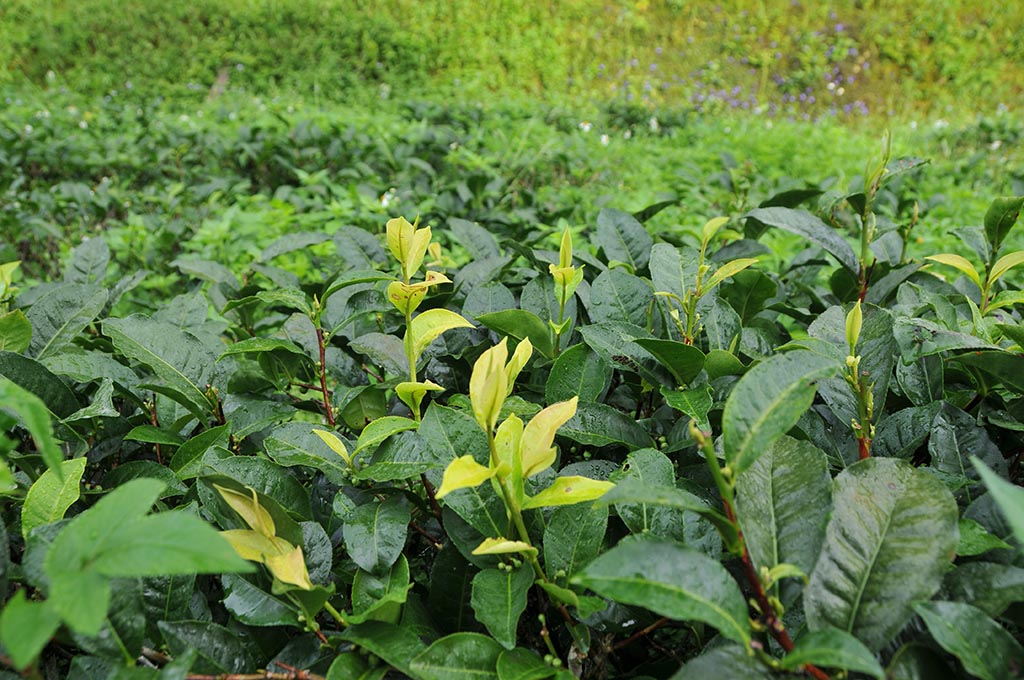
Taiwan Tea No. 18 Ruby

When sourcing Ruby Black Tea, the store manager usually looks for harvests from June to July, as they are better received by consumers. The August and September harvests tend to be too full-bodied for the average consumer and have lower acceptance, but they are ideal for tea competitions (judges love this profile).

Shopping Cart