Tea Cultivar: TTES No. 4

TTES No. 4 was developed by the Tea Research and Extension Station. Breeding trials began in 1952, selecting from 46 lines until final selection in 1968, and it was officially named in 1969. Like TTES No. 3, it was bred through cross-pollination between the male parent Manipuri and female parent Hongxin Damou, but it belongs to mid-to-late budding varieties.

TTES No. 4 Tea Cultivar

Bred through artificial hybridization between the male parent Manipuri (large-leaf cultivar from India) and female parent Hongxin Damou (small-leaf cultivar). It was officially named in 1969 along with TTES No. 1, No. 2, and No. 3.

Transcribed from the Taiwan Cultural Memory Bank: TTES No. 4 was developed through artificial hybridization using Hongxin Damou as the female parent and Manipuri as the male parent. Originally line code 684, it was officially named TTES No. 4 in 1969. As an offspring of high-quality small-leaf and large-leaf cultivars, TTES No. 4 is a mid-to-late budding variety (sprouting later than Qingxin Damou). It exhibits vigorous growth, large leaf surface area, deep green leaves with dense fine serrations, and moderate-to-strong pest and disease resistance. Because of its exceptionally high yields in Hualien, it is well suited for Eastern Taiwan’s tea regions. Its black tea quality is on par with large-leaf varieties, and it is also suitable for making green tea and Baozhong tea.

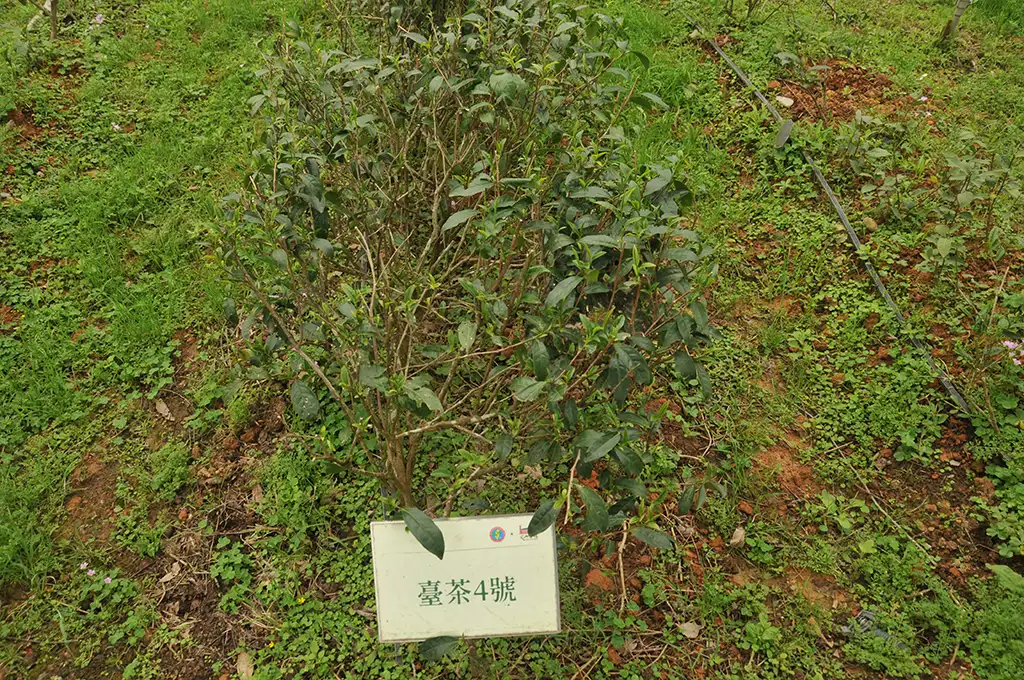
In short, TTES No. 4 boasts strong growth vigor, large leaves, good resistance to pests and diseases, and particularly high yields in Hualien, making it ideal for planting in eastern Taiwan. As a mid-to-late budding variety, it produces excellent black tea while also crafting respectable green tea and Baozhong tea.

Our Observations on TTES No. 4

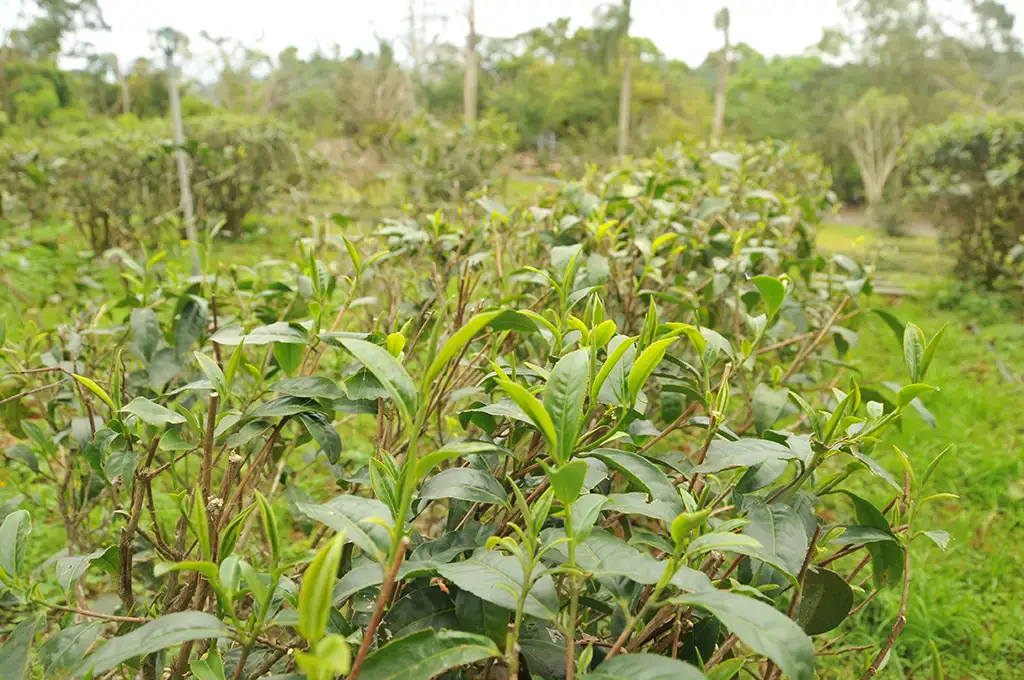
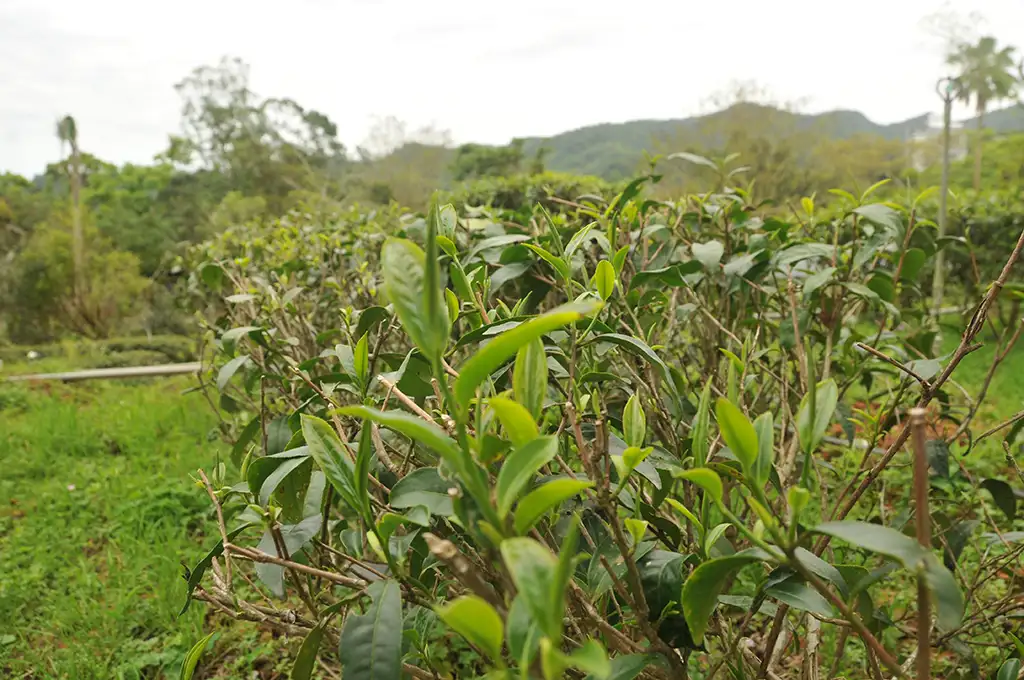
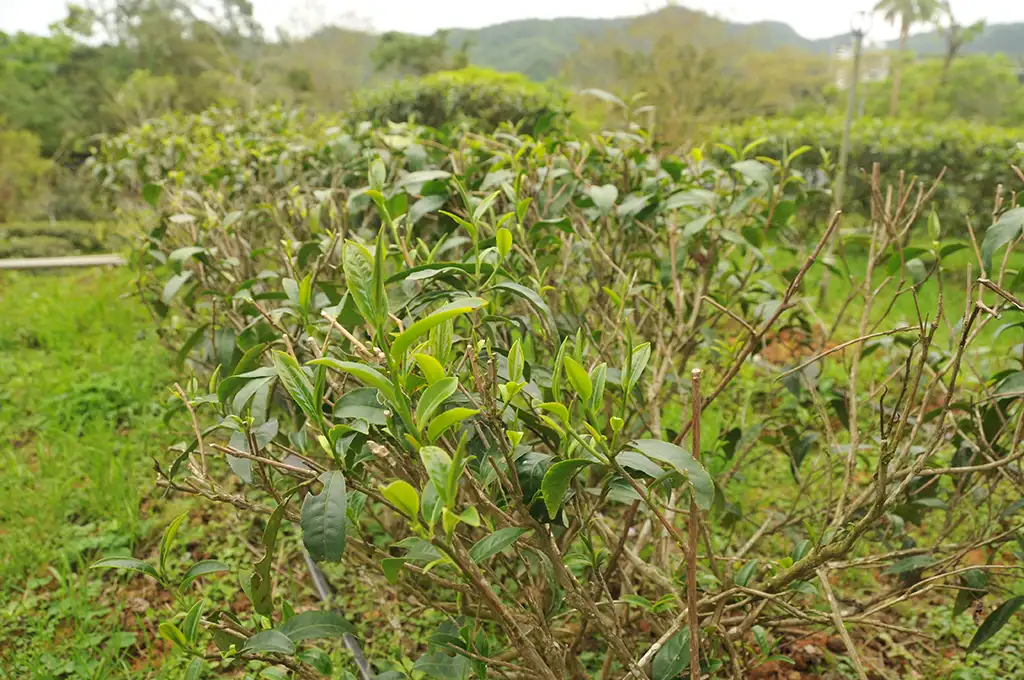
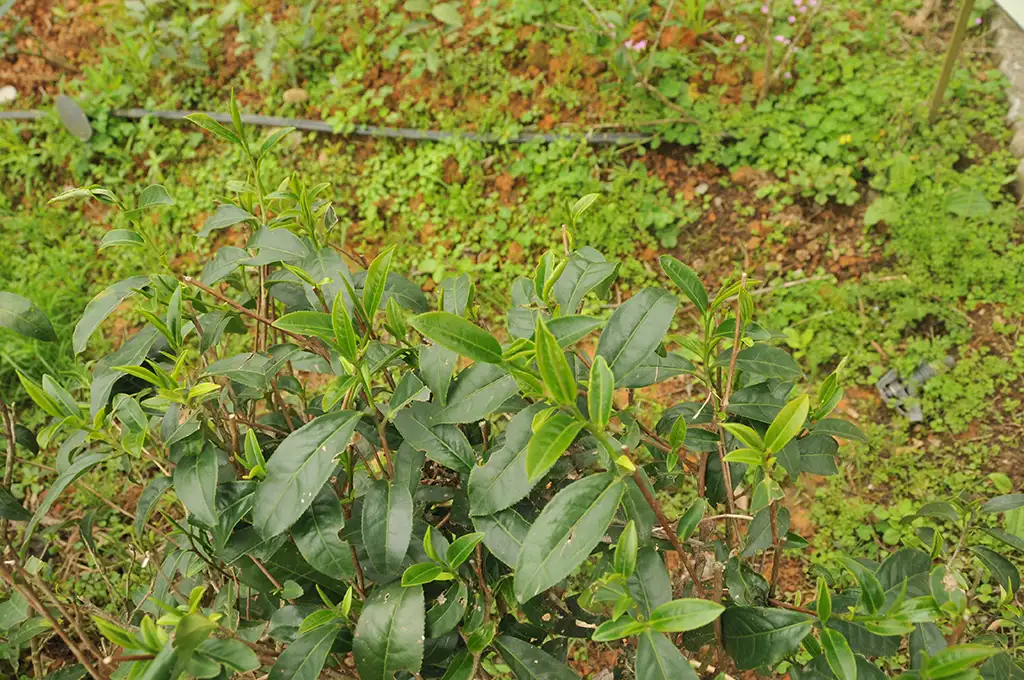
Sharing the same parentage as TTES No. 3, TTES No. 4 is a mid-to-late budding cultivar whose buds sprout about 7–10 days later. Like No. 3, it is well suited for making black tea, though it is rarely cultivated in Taiwan today. The photo shows TTES No. 4 at Wenshan Farm in Xindian District in early April. Its growth is noticeably slower and less dense than TTES No. 2 and No. 3, but its leaves are thicker and darker green.

Shopping Cart