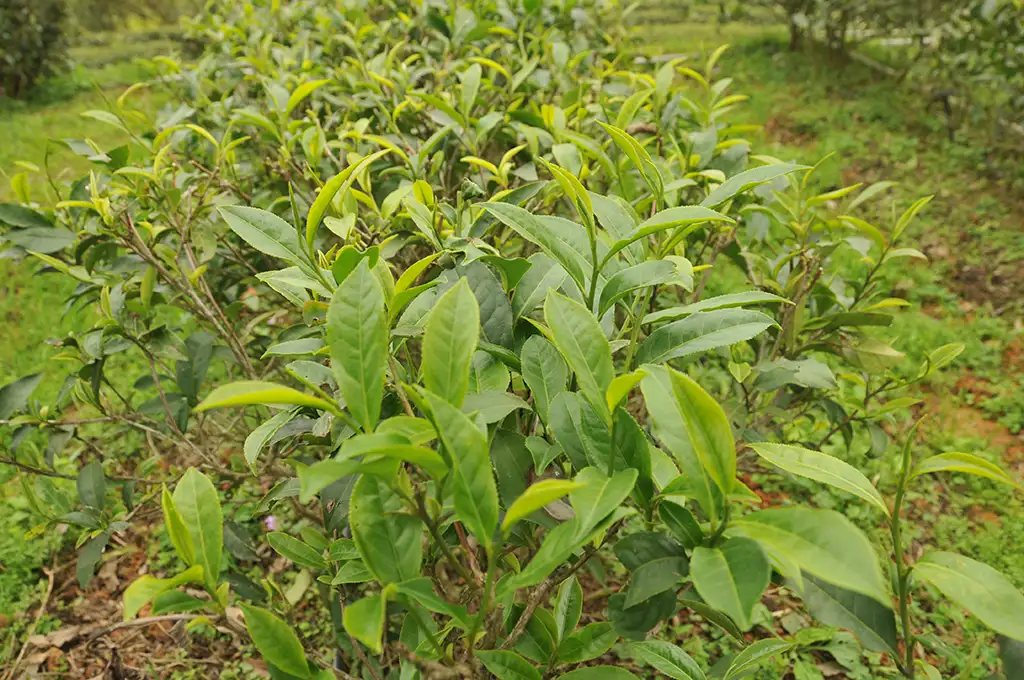
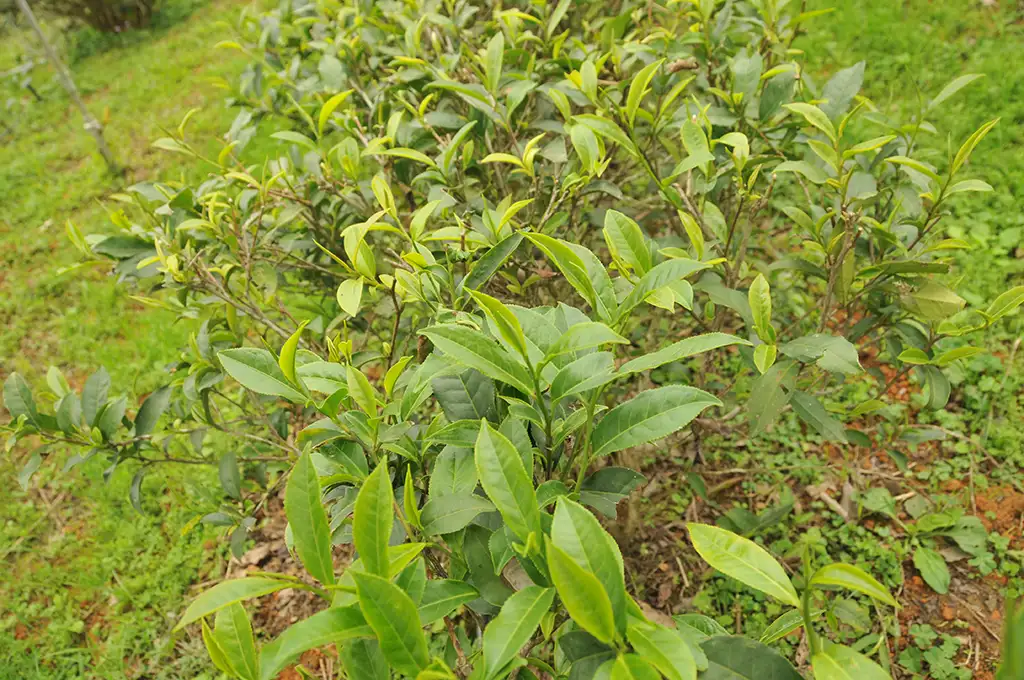
Tea Cultivar: TTES No. 2

TTES No. 2 is a cultivar developed by the Tea Research and Extension Station (TRES). Trials began in 1952, selecting from 46 lines before final selection in 1968 and official registration in 1969. It was created through controlled hybridization between a Jaipuri male parent and a Daye Oolong female parent.

TTES No. 2 Tea Cultivar

Bred via artificial hybridization from a Jaipuri father plant and a Daye Oolong mother plant, it was officially named in 1969 along with TTES No. 1, No. 3, and No. 4.

Excerpt from Taiwan Cultural Memory Bank: TTES No. 2 is a hybrid offspring of fine small-leaf and large-leaf cultivars. It is an early-budding cultivar with strong growth vigor, high yield (highest among the four cultivars released in the same period), and strong adaptability. It features higher budding density than Kyang, pronounced leaf serration and side veins with wavy margins, excellent pest and disease resistance, broad processing versatility, uniform sprouting suitable for mechanical harvesting, and yields high-quality black tea (ranking second among the four cultivars of its era).

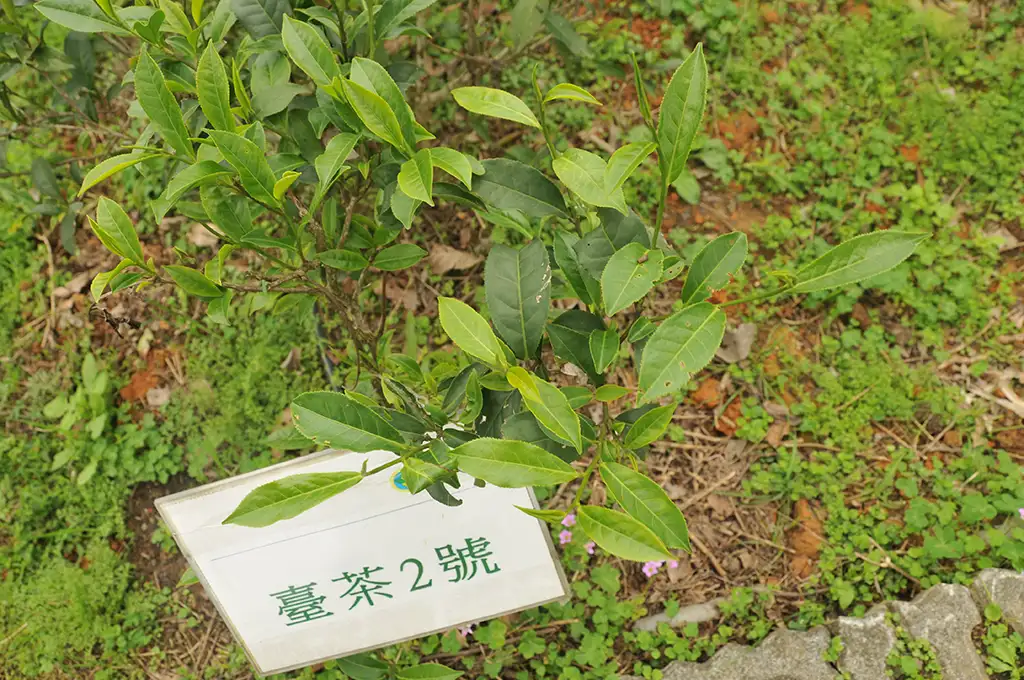
In short, TTES No. 2 offers high yield, early sprouting, robust growth, and suitability for mechanical harvesting. Its cultivar profile makes it exceptionally well-suited for black tea production.

Our Observations on TTES No. 2

Although suitable for making black tea, its quality and yield fall short of varieties like TTES No. 18 and TTES No. 8, making TTES No. 2 a rare sight in Taiwanese tea gardens today. Despite its sparse cultivation now, it holds great significance as one of the very first bred Taiwanese tea cultivars. Pictured is TTES No. 2 at Wenshan Farm in Xindian District in early April, displaying early budding and vigorous growth.

Shopping Cart