TTES No. 10 is a cultivar developed by the Taiwan Tea Research and Experiment Station. Created through artificial hybridization between the paternal cultivar Jaipuri and the maternal cultivar Huang-Gan, it was officially named TTES No. 10 in 1975 and is well-suited for producing summer black tea.
Tea Cultivar: TTES No. 10
TTES No. 10 is an artificial cross between Jaipuri (an Indian large-leaf variety) as the paternal parent and Huang-Gan as the maternal parent. Its key advantages include strong resistance to net blister blight and high yield and quality when processed into black tea.
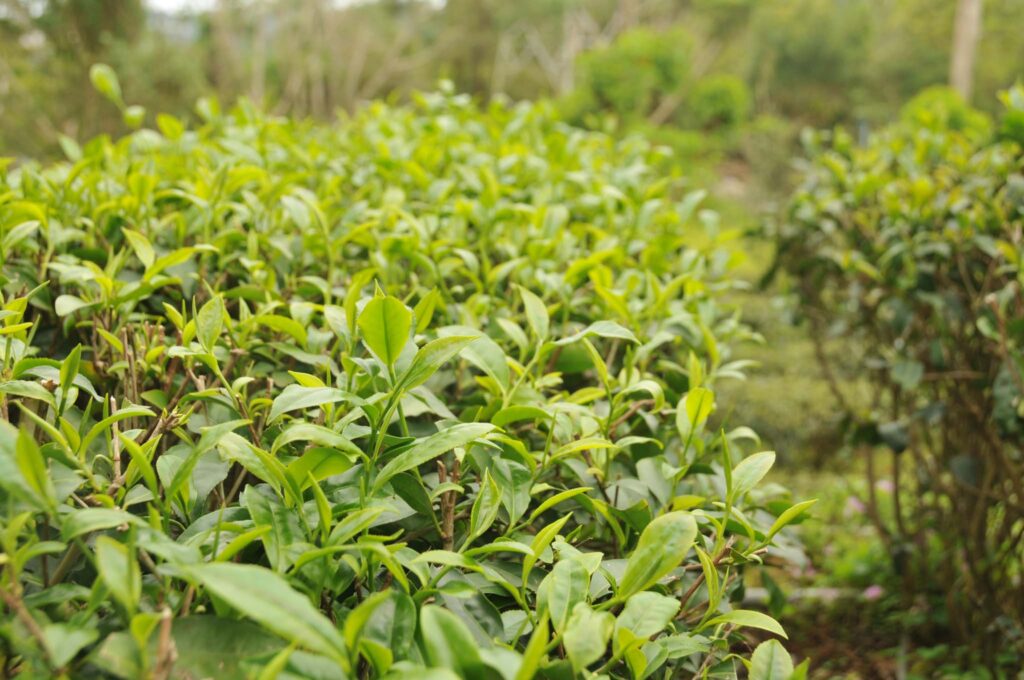
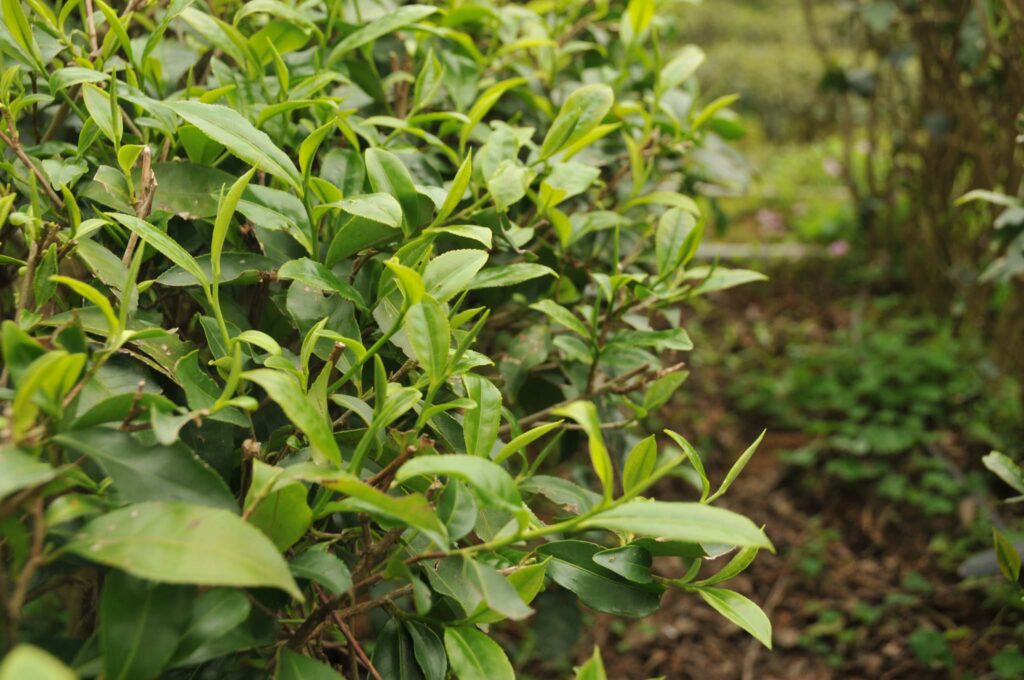
Excerpted from the Taiwan Cultural Memory Bank: TTES No. 10 boasts several key advantages. In the Ruisui tea region of Hualien, TTES No. 10 achieved the highest fresh leaf yield among all tested cultivars, along with strong resistance to net blister disease and excellent quality when processed into summer black tea. Additional characteristics include fresh green leaves with a slight yellow tint, smaller leaf area, pronounced inward leaf folding, and prominent lateral veins set at wide angles. Offering both high yield and excellent quality, as well as distinct resistance to net blister disease, TTES No. 10 is ideally suited for cultivation in Hualien’s Ruisui tea region.

Our Observations on TTES No. 10
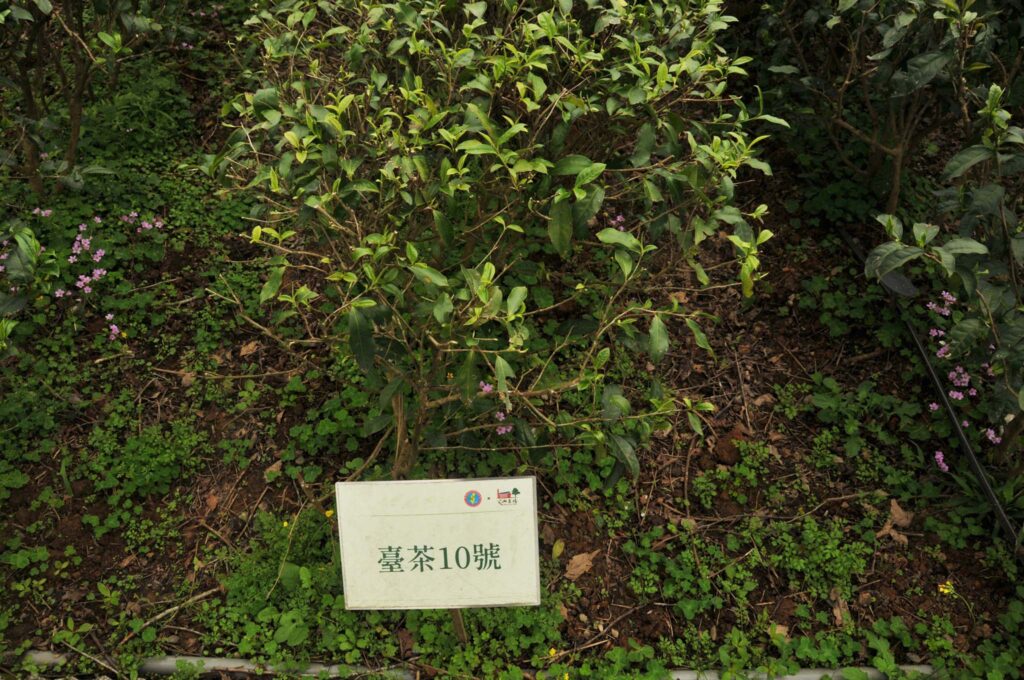
Back in 1975, during an era when Taiwan primarily exported black and green teas, TTES No. 10 was well suited for producing both. However, after 1980, Taiwan’s domestic tea market shifted toward lightly fermented oolongs. Since TTES No. 10 was not suited for this mainstream trend, its cultivation remained limited. Pictured is TTES No. 10 at Wenshan Farm in Xindian District in early April, showing average growth vigor with above-average yield.