Does Jasmine Tea Have Caffeine?

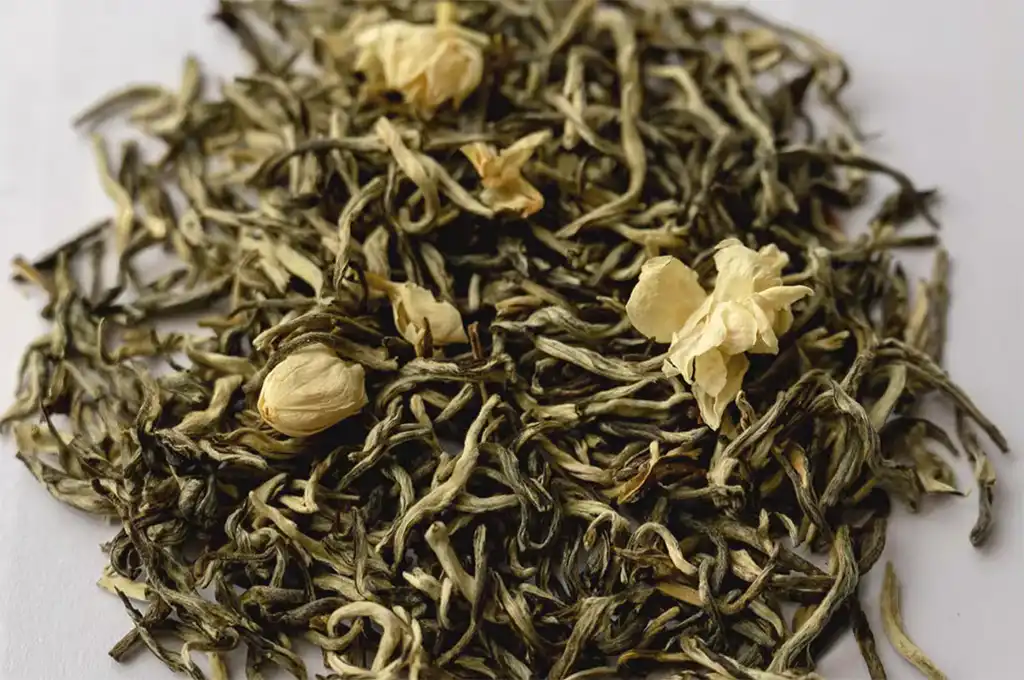
Jasmine tea is a scented tea made by infusing tea leaves with fresh flowers (such as jasmine), which helps reduce the bitterness of the tea while giving the final brew both floral and tea aromas. For jasmine tea lovers, a common question is: “Does jasmine tea have caffeine?”.

Does jasmine tea have caffeine

Does jasmine tea have caffeine? How much does it contain?

Yes, jasmine tea contains caffeine. Jasmine tea is scented with tea leaves and fresh flowers, and any product made from tea leaves contains caffeine. The caffeine content depends on the base tea leaves, as different tea varieties and processing methods result in varying levels. Common green tea and oolong tea have relatively low caffeine content, typically ranging between 10–35 mg per 100 ml, and moderate consumption is safe for the body.

For details, see: Tea Caffeine Content Chart

Can I drink jasmine tea if I'm worried about caffeine affecting my sleep?

The caffeine content in jasmine tea is much lower than that in coffee, with only 10 to 35 milligrams per 100 milliliters. For healthy adults, a daily caffeine intake of no more than 300 milligrams is generally considered safe. If you are sensitive to caffeine, pregnant, or nursing, it is recommended to consult a healthcare professional before drinking.

Does jasmine tea have caffeine

To prevent caffeine in jasmine tea from affecting your sleep, you can take the following measures:

1. Brew it weaker: Use less tea leaves or shorten the steeping time to lower the caffeine content. 2. Avoid drinking within 6 hours before bedtime: Give your body enough time to metabolize the caffeine and minimize disruption to your sleep. This way, you can comfortably enjoy the aroma of jasmine tea without worrying about insomnia.

Shopping Cart