Soybean meal fertilizer is the secret to delicious tea and the single most important factor for phenomenal, top-tier teas. Compared to traditional chemical fertilizers, using soybean meal elevates the aroma, body, and lingering aftertaste by leaps and bounds, while dramatically reducing bitterness. The downside is that soybean meal is quite expensive.

What is soybean meal fertilizer and what does it do?
Soybean meal, also known as soybean cake or soybean powder, is the residue left over after soybean oil is extracted in salad oil factories. It is rich in nitrogen. Because tea plants have a high demand for nitrogen, farmers began using it as a fertilizer in high mountain tea gardens over twenty years ago.
Aside from providing essential nutrients for tea plants, soybean meal also stimulates soil microbial activity, strengthens soil structure, and improves nutrient delivery to the tea bushes. Simply put, using soybean meal not only makes the tea taste better, but it also greatly benefits the health of both the soil and the plants.
Teas grown with soybean meal stand out remarkably in their fragrance, flavor, and overall mouthfeel. Compared to traditional chemical fertilizers, soybean meal effectively reduces the bitterness in tea leaves, resulting in a smoother liquor and a more persistent aroma. This is why many tea estates choose to use it.
Phenomenal Teas Require Soybean Meal Fertilizer
Soybean meal first started appearing over a decade ago. Initially, it was used only in the highest-altitude tea gardens, but seeing its incredible results, it has now become a staple for tea makers who refuse to compromise on quality. Good high mountain tea estates apply soybean meal at least twice a year, buying it by the tons. The fertilizer costs alone run upwards of NT$1 million annually.
However, because soybean meal is so pricey (in 2023, a single bag cost over NT$600 and was often out of stock), not all high mountain tea gardens use it due to cost considerations. Therefore, if you ever taste a huge difference in quality between teas from the very same region, it is very likely due to the difference between soybean meal and chemical-only fertilizers.
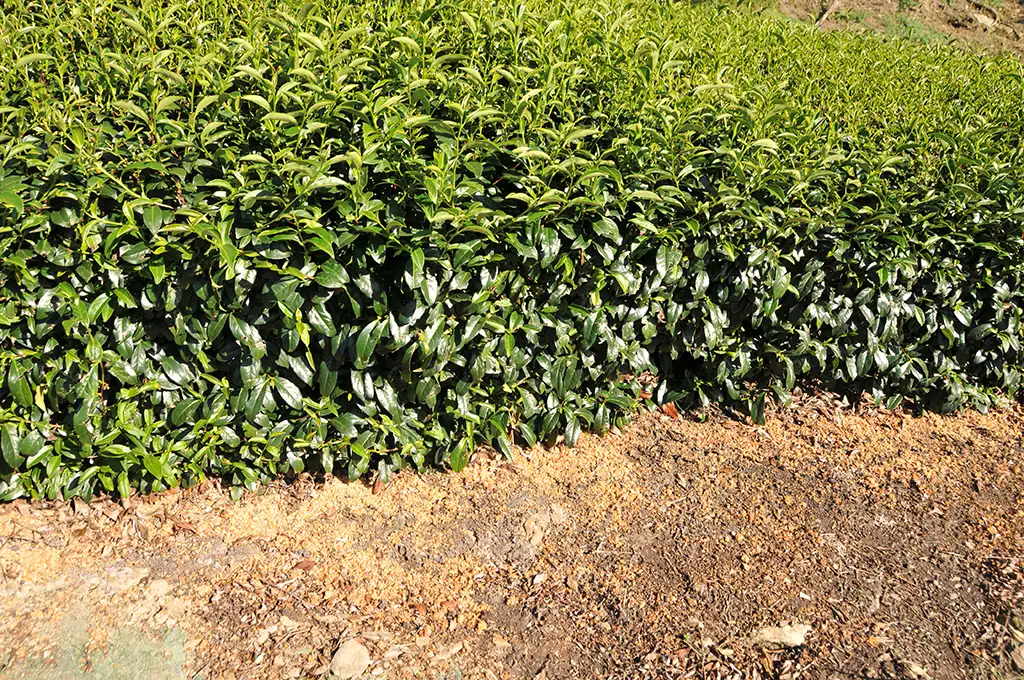
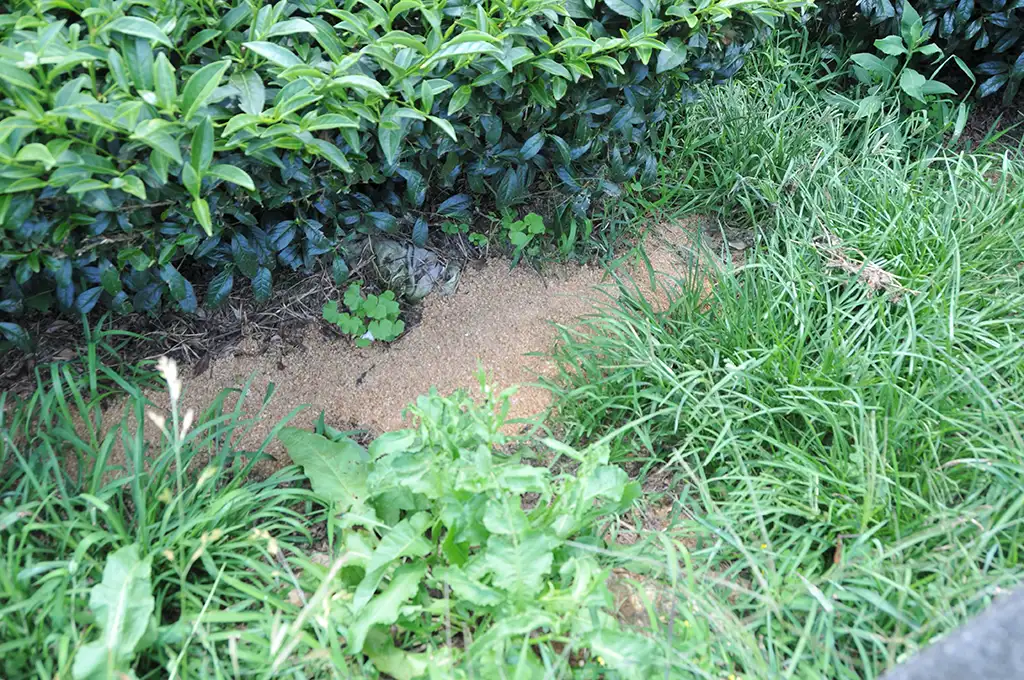
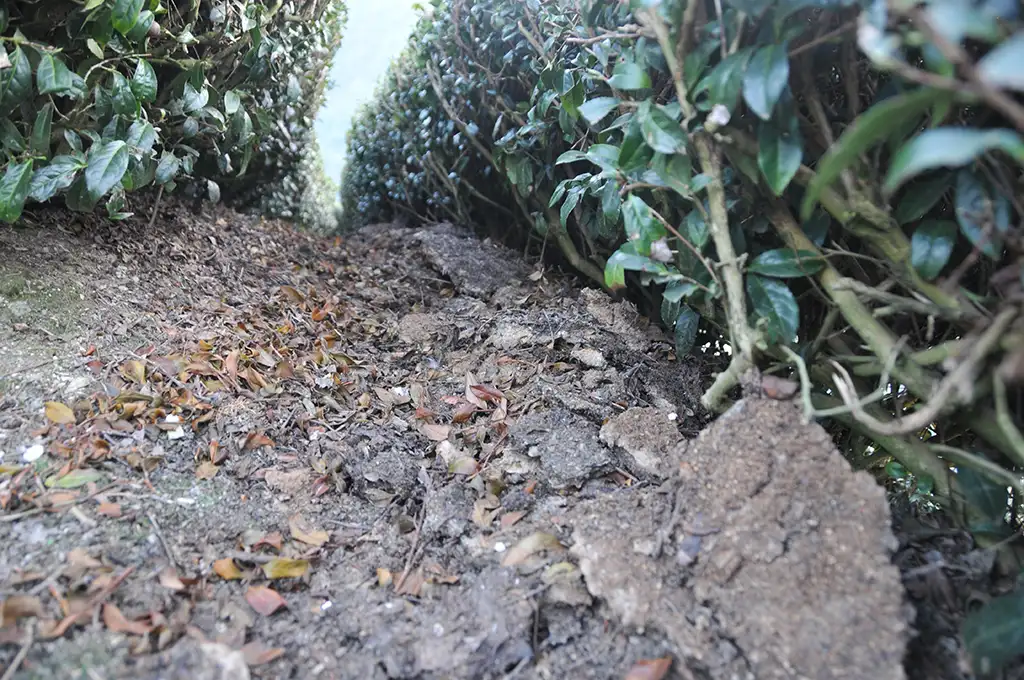
For the store manager, high mountain tea grown without soybean meal is practically out of the question—the difference in quality is simply too vast. If you want to know which tea gardens use chemical fertilizers versus soybean meal, you can visit the Lishan tea gardens in January and July; the yellow powdery substance you see is soybean meal. However, soybean meal decomposes into a dark brown color within a month, which can produce unpleasant odors and attract flies, so you might want to brace yourself for that. (The image above shows freshly applied soybean meal and soybean meal two months after application.)