
How many times a year is Taiwanese tea harvested? Depending on climate, altitude, variety, and production methods, lowland tea trees in Taiwan can be harvested 6 to 8 times a year, while high-mountain tea plantations are harvested 5 to 6 times. However, harvesting too many times is detrimental to quality, so we try to avoid heavily harvested plantations when sourcing.
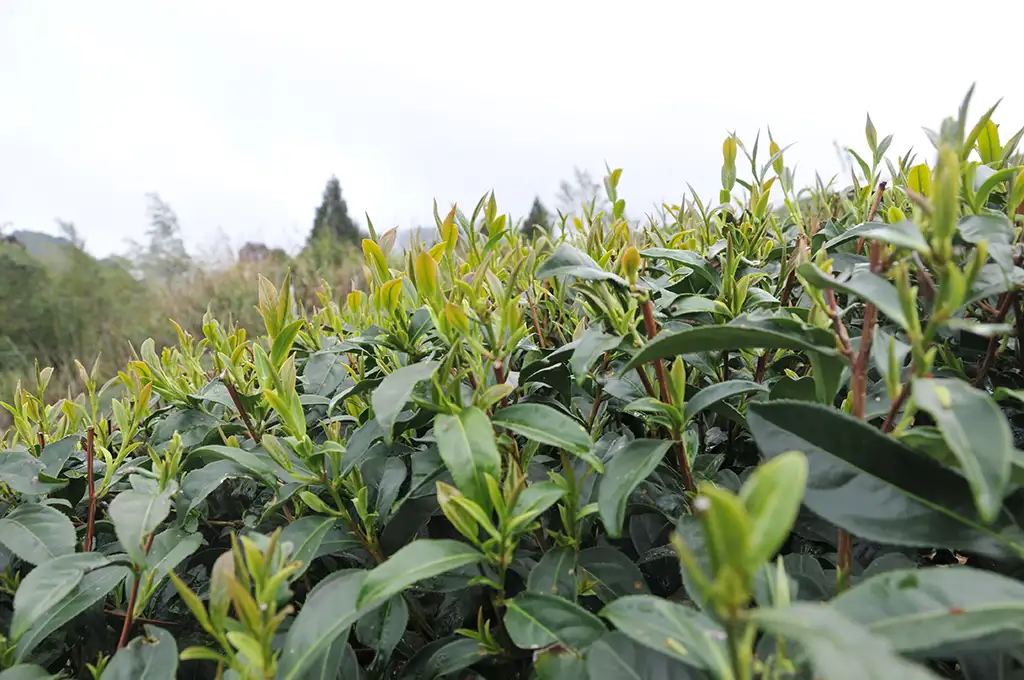
How Many Times a Year is Tea Harvested? Differences in Varieties and Production Methods
In addition to the altitude mentioned above, different tea tree varieties and harvesting methods also affect the number of harvests per year. For instance, newer tea varieties like “JinXuan” and “Sijichun” are high-yield varieties, producing one to two more harvests than traditional “Qingxin Oolong” trees. Another influencing factor is the harvesting method; certain teas rely on tender pluckings, such as Oriental Beauty tea, which uses young tea shoots and has a very short harvest cycle—yielding 3 to 4 harvests between May and July.
Under the conditions of “new tea varieties,” “central and southern lowlands,” and “lightly fermented Oolong production,” we have heard of Taiwan tea being harvested up to 8 times: twice in spring, twice in summer, once in autumn, once in winter, once for Winter Sprout Oolong, and once for Bu Zhi Chun (Unknown Spring). However, this is an extreme case; generally, it is harvested 5 to 6 times.
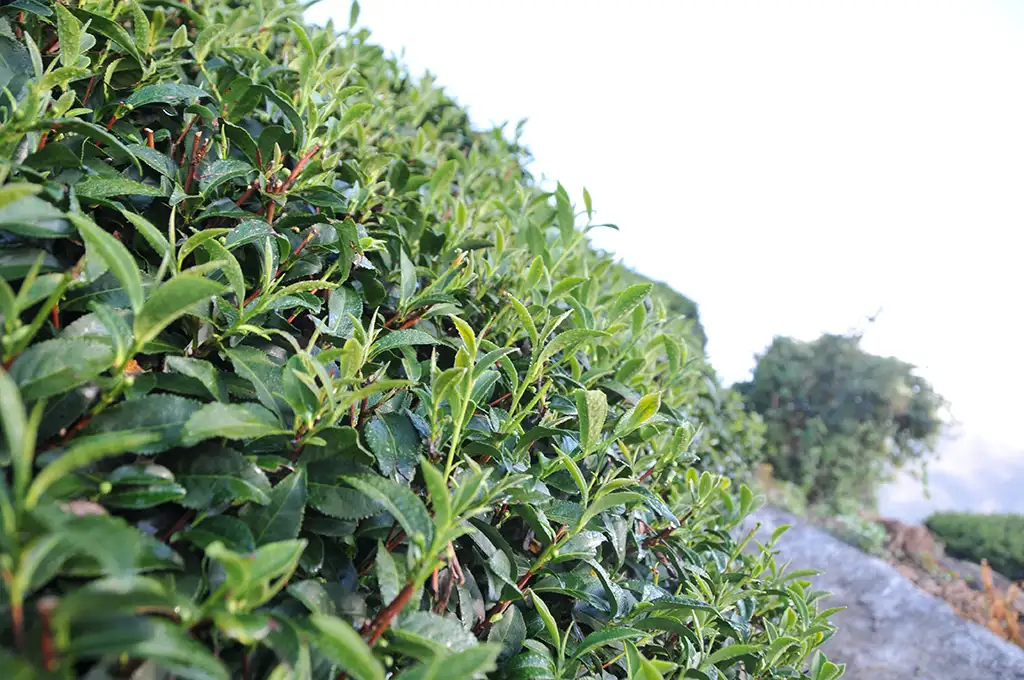
The Impact of Harvest Frequency on Quality: Why Too Many Harvests Hurt Quality
When sourcing tea, the store manager also takes into account how many times a year the tea trees are harvested. Harvesting more than 4 times means the tea trees get no rest throughout the year, preventing nutrients from being replenished in time. The resulting tea has a weak, thin flavor and unstable aging potential—it might smell fragrant right after production, but the flavor often disappears after a few months. Beyond poor tea in the current year, over-harvesting is also bad for the health of the tea trees, causing their vigor to weaken year by year, ultimately leading to declining quality.
High mountain tea is generally harvested no more than four times a year: spring tea, second-crop water tea, autumn tea, and winter tea. Premium tea factories only harvest spring, autumn, and winter teas, allowing the tea plants to rest fully and the remaining leaves to absorb plenty of sunlight so the next season’s tea will be of high quality.
As a side note: Many people think Lishan and Dayuling teas are only harvested in the spring and winter, but Lishan actually produces autumn tea as well, and some even harvest summer tea and Winter Sprout Oolong. This adds up to four to five harvests a year, and teas produced this way naturally cannot be of good quality.