Taiwan Tea

Fushoushan Tea

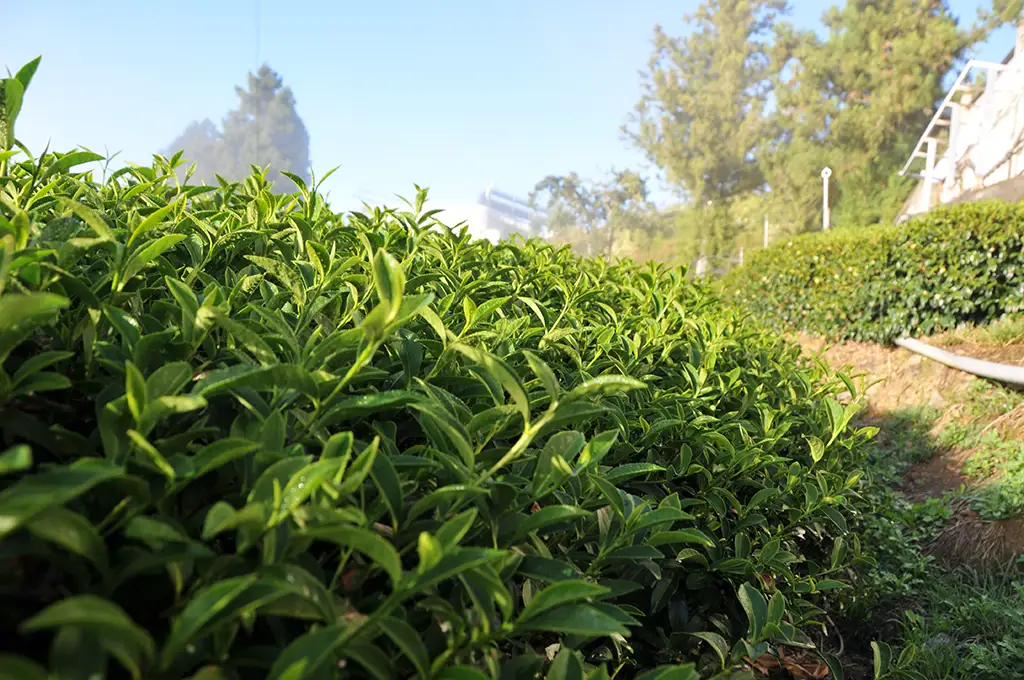
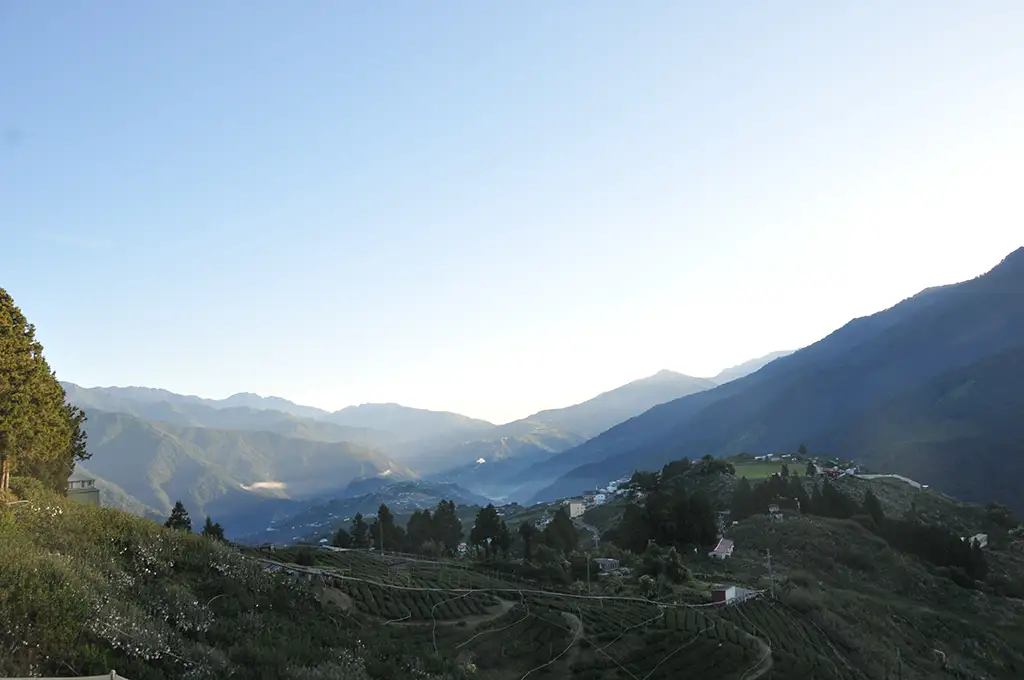
When we talked about Fushoushan Tianchi Tea the other day, it turned out many people weren’t familiar with the Tianchi tea region. Today, let’s share a bit more trivia about “Fushoushan Tea.” /*! elementor – v3.16.0 – 12-09-2023 */ .elementor-widget-image{text-align:center}.elementor-widget-image a{display:inline-block}.elementor-widget-image a img[src$=”.svg”]{width:48px}.elementor-widget-image img{vertical-align:middle;display:inline-block} Just like Fenqihu isn’t a lake and ShanLinXi isn’t a stream,
Taiwan's highest altitude tea growing region

Taiwan’s Highest Altitude Tea Region: The 2,520-Meter HuaGung Tea Region

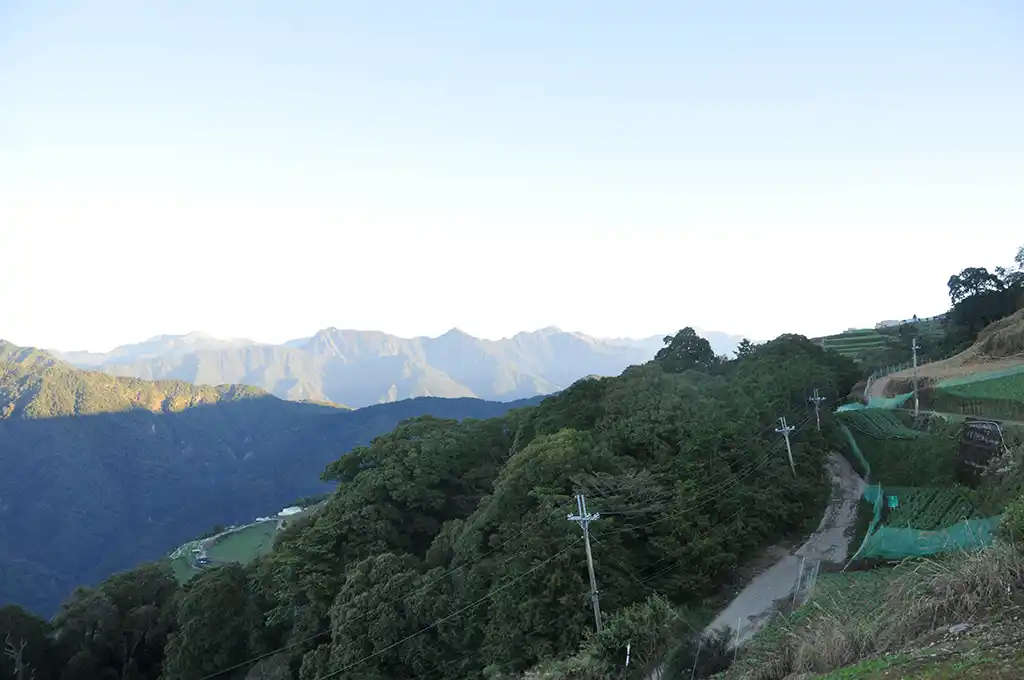
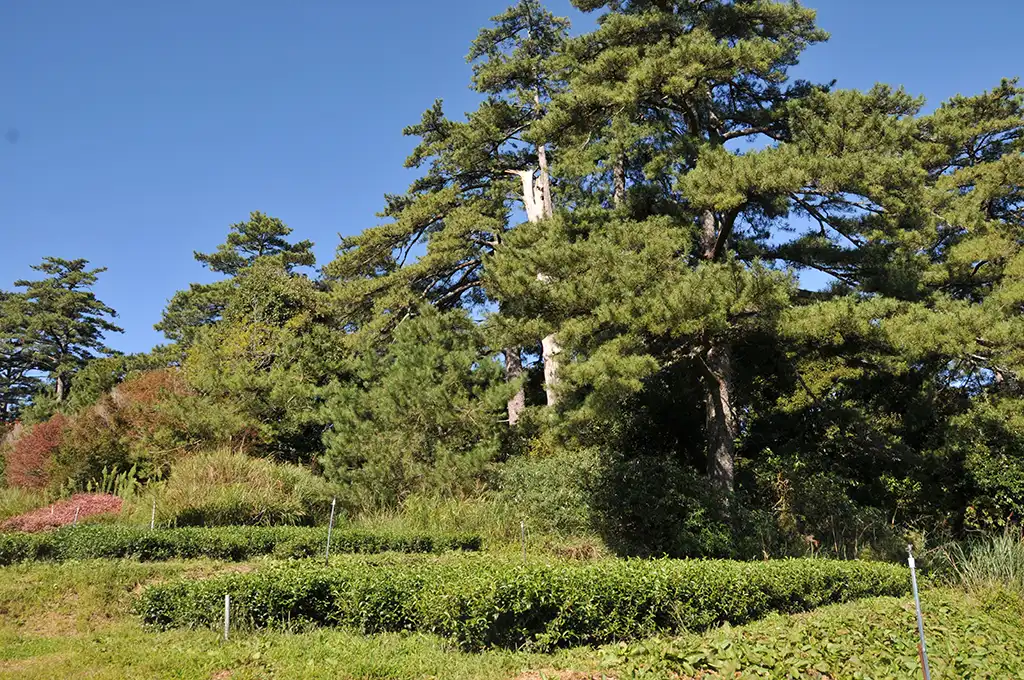
Our Taiwan Tea Truth-Seeker series is back! Today, let’s talk about the altitude of Taiwan’s tea regions. Where is the absolute highest tea region in Taiwan? Since 2015, the HuaGung Tea Region has been Taiwan’s highest altitude tea region Before 2015, the highest tea gardens in Taiwan were unquestionably the “104K tea garden” in the

Introduction to Charcoal Roasted Oolong Tea

Winter Sprout Oolong is a rare and uniquely textured tea. In Taiwan, tea is generally harvested four times a year: spring, summer, autumn, and winter. After the winter harvest, the tea bushes enter a dormant period. However, due to warmer winters, they sometimes flush once more before the winter solstice—this is what we call Winter Sprout Oolong.

Lishan tea price

Lishan Tea Prices

Tea Enthusiast’s Question: Hello, is the hand-picked Lishan tea on XX Shopping Channel real? Hand-picked spring tea, buy 3 get 1 free, plus a tea set included, all for just NT$2,600. If this is real, didn’t I overpay when I bought from you before? I could buy over 4 600g packs on the shopping channel

The History of Taiwanese Tea

The earliest recorded history of Taiwanese tea dates back to the Gazetteer of Zhuluo County (1717), which noted: “In the mountainous regions of central and southern Taiwan, at elevations between 800 and 5,000 feet, wild tea trees grow. Local residents pick their young buds, process them simply, and brew them for home consumption.” The Gazetteer

Biluxi High Mountain Tea

Today let’s talk about Biluxi tea. The traditional Biluxi tea region is located between the 95K and 99K markers on the Central Cross-Island Highway (marked by the red line in photo 2). Because the Biluxi River runs just below the tea plantations, tea industry insiders named the tea from this area Biluxi tea. During its

Fushou Mountain Farm Outer-Area Tea

I know many of you are already familiar with this, but if even one person isn’t, then today’s casual chat is worthwhile~ Today we’re talking about “Fushou Mountain Farm Outer-Area Tea“. Fushou Mountain Farm Outer-Area Tea is also referred to as farm-edge tea, Fushou Lishan tea, or simply “outer-area tea.” As the name suggests, it

Lishan Tea Region Scope: Officially Defined by the Taiwan Government in 2016

Our tea industry myth-buster series is back! Today, we’re talking about the “Lishan Tea Region scope“—what areas are actually included in the Lishan tea region? Table of Contents Lishan Tea Region Scope Tea cultivation in the Lishan area began around 1980. As time went on, the tea-growing region continuously expanded outward. Aside from the original

2023 Lishan Cuiluan Malieba Suspension Bridge Winter Tea

The winter tea season—the “final exam” for high mountain teas—has officially begun, and our first stop is the premier tea region: Lishan. Today, we’re bringing you an update on the growth of the winter tea in the back ranges of Lishan—specifically at Cuiluan and the Malieba Suspension Bridge head 👍👍 Conditions in the Cuiluan Lixing

2023 Lishan Farm & Sinjiayang Winter Tea Crop Report

Next up is the frontline of Lishan tea production: the areas around Fushou Shan Farm and the Sinjiayang settlement. Compared to the consistently above-average quality of the back mountains, the growth conditions in the front mountains are quite polarized, meaning we’ll have to put a lot more effort into sourcing this season~😅😅 Sinjiayang Settlement: Quite

Lishan Winter Tea Harvest Begins

Good evening, tea lovers! Typhoon Koinu has passed. Although there were still scattered rains in various regions today (October 7th), Lishan, Cuifeng, and Cingjing were fortunate enough to stay dry. The forecast points to a high chance of “consecutive sunny days” in the coming days, which might just bring out that legendary, phenomenal tea everyone

2023 Tunyuan, Lushan, and Qilai Mountain Winter Tea Update

Here’s a quick update for everyone! The 2023 winter tea from Tunyuan, Lushan Tribe, and Qilai Mountain is shaping up nicely. Some of our tea plots are looking “exceptionally good.” Now it’s just a matter of patience—as long as the weather cooperates, we’re confident some truly phenomenal teas will be produced! 👍👍 First, a quick

Rainfall on October 8th and 9th

Here is an update on a few things: 1. The weather forecast was off. Over the past couple of days, Lishan and Ren’ai Township have experienced heavy afternoon downpours. While the sun came out during the day, the “continuous sunny weather” we were hoping for never materialized, making the harvesting conditions less than ideal. 2.

What is Lishan tea?

What is Lishan Tea? Guide to Lishan Tea Types

What is Lishan Tea? What are the different types of Lishan Tea? Most Lishan Tea is “ball-shaped lightly-fermented oolong,” commonly known as high-mountain oolong. Because the tea gardens are located at very high altitudes, it carries a distinctive high-mountain aroma. Below is an introduction to the types of Lishan Tea: What is Lishan Tea? Lishan

Characteristics of Lishan Tea

Characteristics of Lishan Tea: Discover Its Charm in 3 Minutes

Lishan tea is known for its low bitterness and astringency, distinct high-mountain “red” notes (高山葒), and unique aroma, making it a favorite not only among Taiwanese tea lovers but also tea enthusiasts worldwide. However, not all Lishan tea possesses these qualities, and poor-quality Lishan teas do exist. Let me walk you through the characteristics of

Shopping Cart