
In the past when transportation was difficult, producers used charcoal roasting to reduce moisture and preserve the quality of the tea leaves. Today, with advanced logistics and the tea market’s shift toward high-mountain unroasted teas, “charcoal roasted oolong tea” has become increasingly rare. Nevertheless, because of its mellow mouthfeel and sweet, smooth flavor, it has always maintained a loyal following.
With technological advancements, tea roasting has largely become electrified, making traditional charcoal roasting methods quite rare. It is said that longan wood charcoal and acacia wood charcoal are the best woods for charcoal roasting; the tea roasted with them carries a distinct, sweet aroma and is the most popular in the market. However, the high costs mean that a 600 g batch of longan wood charcoal roasted oolong tea can easily run upwards of NT$3,000.
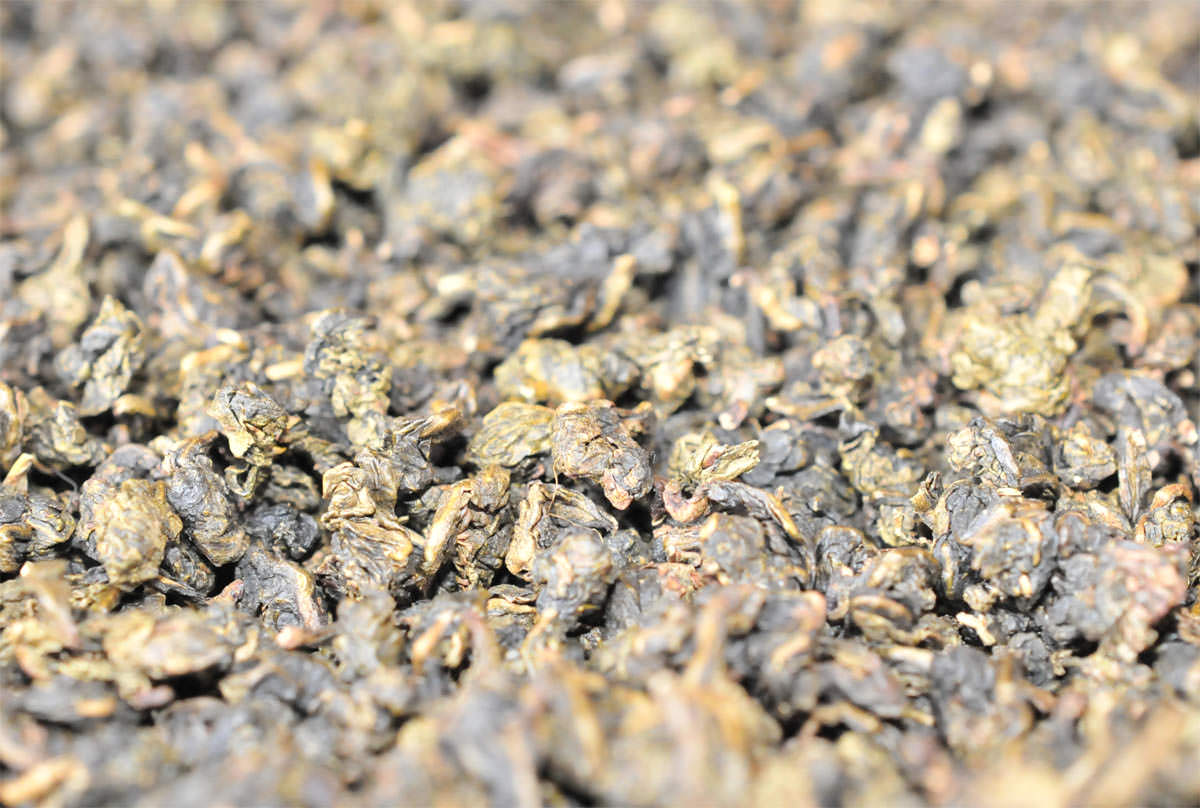
Zhushan and Lugu in Nantou still produce longan wood charcoal roasted oolong. If you happen to come across some, be sure to grab a cup—such authentic finds are only going to become harder to come by in the future.