
Lishan tea is known for its low bitterness, distinct high-mountain “red” floral aroma, and unique fragrance—qualities loved not only by people in Taiwan but also by tea enthusiasts worldwide. However, not all Lishan tea shares these traits, and poor-quality batches do exist. Below, we’ll introduce the characteristics of Lishan tea and explain why some fall short in quality.
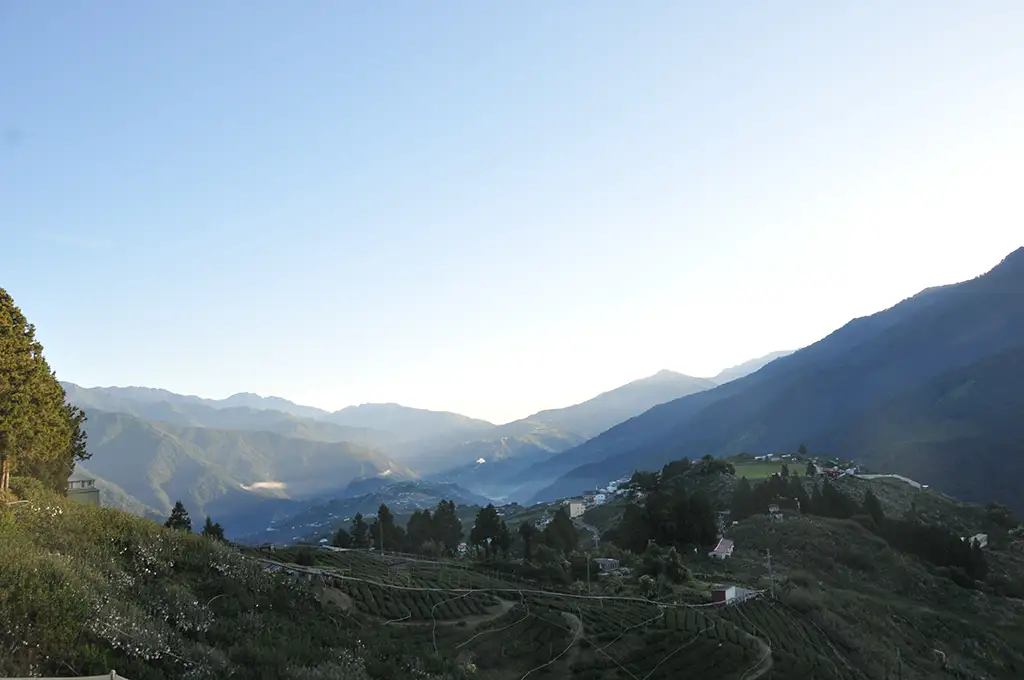
Characteristics and Unique Qualities of Lishan Tea
Qualities Brought by High Altitude: The dramatic diurnal temperature range of up to 30°C in the Lishan tea region increases the sweetness of the leaves while reducing bitterness. Additionally, the high-altitude environment imparts a distinct “high-mountain red” flavor note, which becomes even more pronounced the higher the tea garden is located.
Unique Fragrance: The high-mountain environment, combined with Taiwan’s subtropical climate and oceanic monsoon, gives high-mountain tea leaves a captivating aroma that is truly one-of-a-kind in the world. Reaching elevations of up to 2,520 meters, the Lishan tea region is the highest in Taiwan, making this signature fragrance exceptionally prominent here.
Superior Tea Garden Management and Equipment: The Lishan environment is not naturally ideal for tea plants. To help them thrive in cold temperatures, tea farmers have developed many unique techniques, such as using soybean meal fertilizer to enhance aroma, employing frost-protection fans to safeguard the plants, and utilizing extremely light fermentation. These methods not only boost plant vitality but also elevate Lishan tea to a whole new level of flavor.
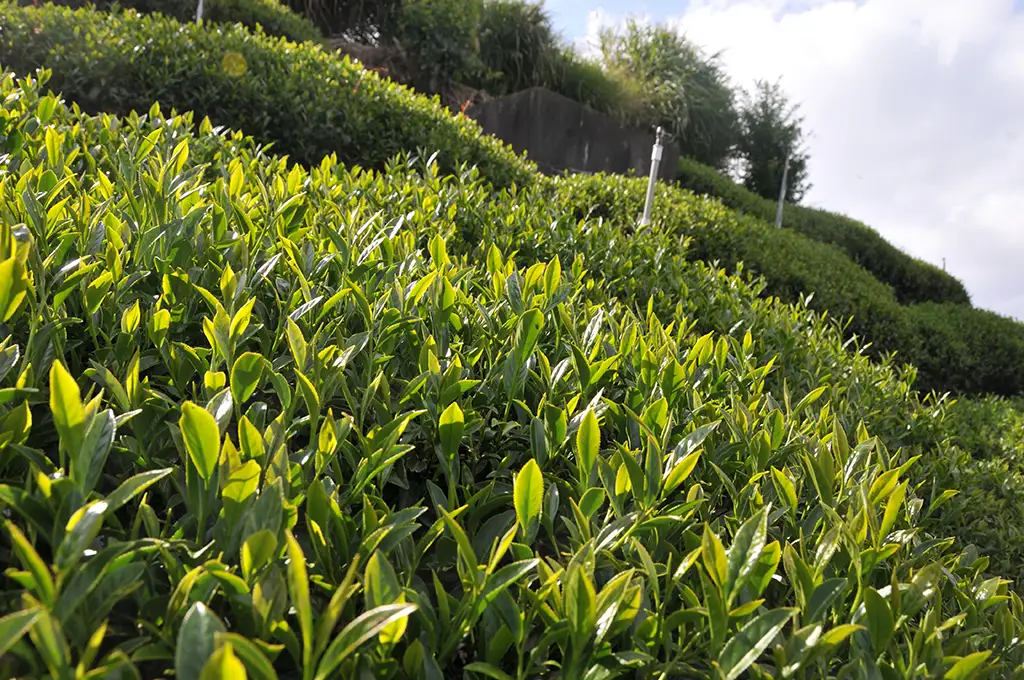
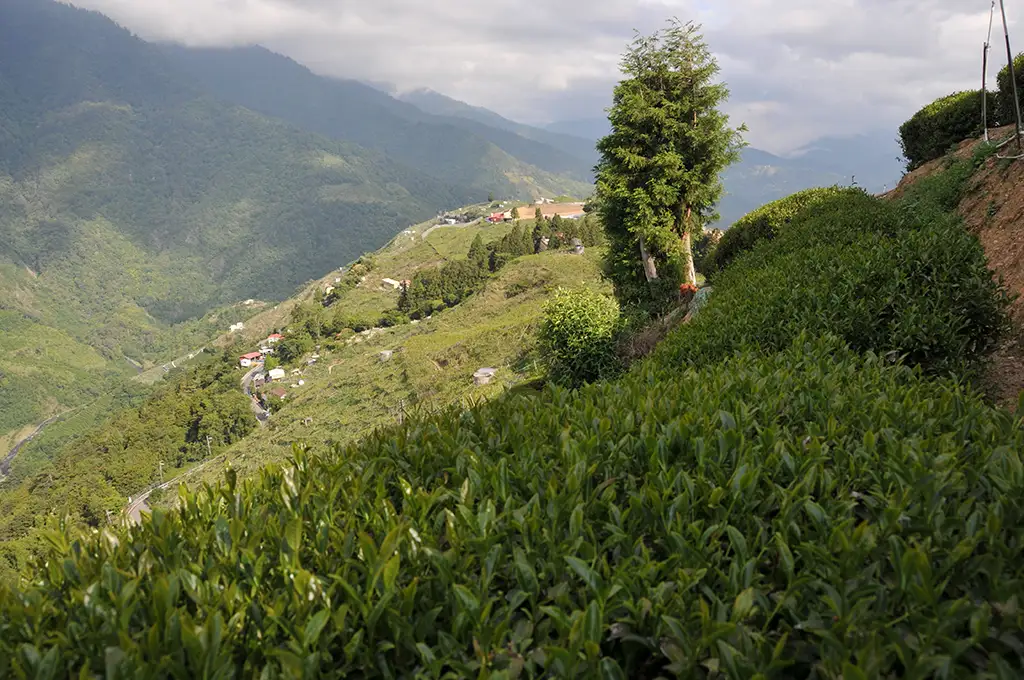
Why Is There Poor-Quality Lishan Tea?
Although Lishan tea ranks among the highest-tier high-mountain teas in Taiwan, several factors can still lead to subpar quality, such as harvesting on rainy days, improper fertilizer use, contamination from neighboring vegetable farms, inadequate tea-making equipment, and garden pests. Weather is a particularly major issue: Lishan produces large volumes of tea, but solar withering spaces are limited. If it rains, farmers must rely on mechanical hot-air withering, which severely impacts the final quality.
Additionally, most Lishan farmland is leased. With high selling prices for Lishan tea in recent years, many landowners have raised rents annually, increasing production costs. To cut costs, some farmers reduce tea garden maintenance and pesticide control—especially around lease renewal periods—leading to poorly managed farms and huge variances in quality.
These are some of the reasons why certain Lishan teas suffer in quality. If you want to try Lishan tea, teas sourced from diligently managed gardens that use premium fertilizers and are harvested on sunny days are your guarantee of a great cup.
Lishan Tea FAQ
Is bitterness in Lishan tea normal?
Yes, it is normal. As the saying goes, tea isn’t tea without a hint of bitterness and astringency, and it’s normal for tea to taste bitter if steeped for too long. However, a proper Lishan tea should barely show any bitterness even with a long steep. According to Liao Chang Xing’s evaluation standards, using 6 g of tea in a 100 ml tasting cup, a standard Lishan tea must not release any bitter or astringent taste even after being steeped for 10 minutes before we purchase it. If bitterness appears after steeping for just 5 to 6 minutes, it is likely due to an error during processing.
Does Lishan tea always have that high-cold aroma?
Not necessarily—it takes the right timing, favorable geography, and harmonious human effort. Overly hot weather, poor climate during the growing season, rain during the harvest, insufficient nutrients in the soil, pest damage, or improper heat control by the tea master can all affect the quality. Just one misstep, and the signature high-cold aroma won’t develop.