
Overseas tea enthusiasts ask: What is Fushoushan tea? Besides oolong, what tea varieties does Fushoushan grow? When are spring and winter teas harvested?
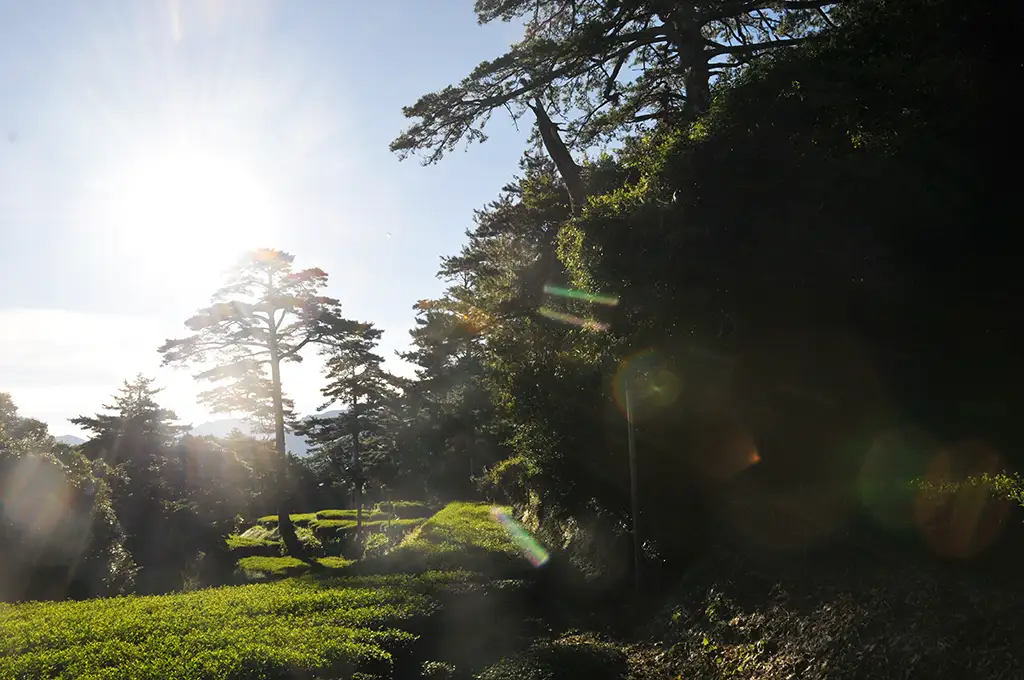
Table of Contents
What is Fushoushan Tea?
Fushoushan tea “is not a mountain,” much like Fenqihu is not actually a lake. Fushoushan is the name of a farm, with its full name being the “Fushoushan Farm of the Veterans Affairs Council, Executive Yuan.” Fushoushan tea simply means: “tea produced by Fushoushan Farm“—anything else is not genuine Fushoushan tea.
Fushoushan tea originates from Fushoushan Farm in the Lishan area of central Taiwan, nestled in a high-mountain zone at an altitude of 2,300 to 2,490 meters. The crisp air and rich natural environment nourish the tea trees, giving Fushoushan tea its unique flavor and exceptional quality. This nurtures its characteristic aromatic profile, making it widely beloved in the global tea market.
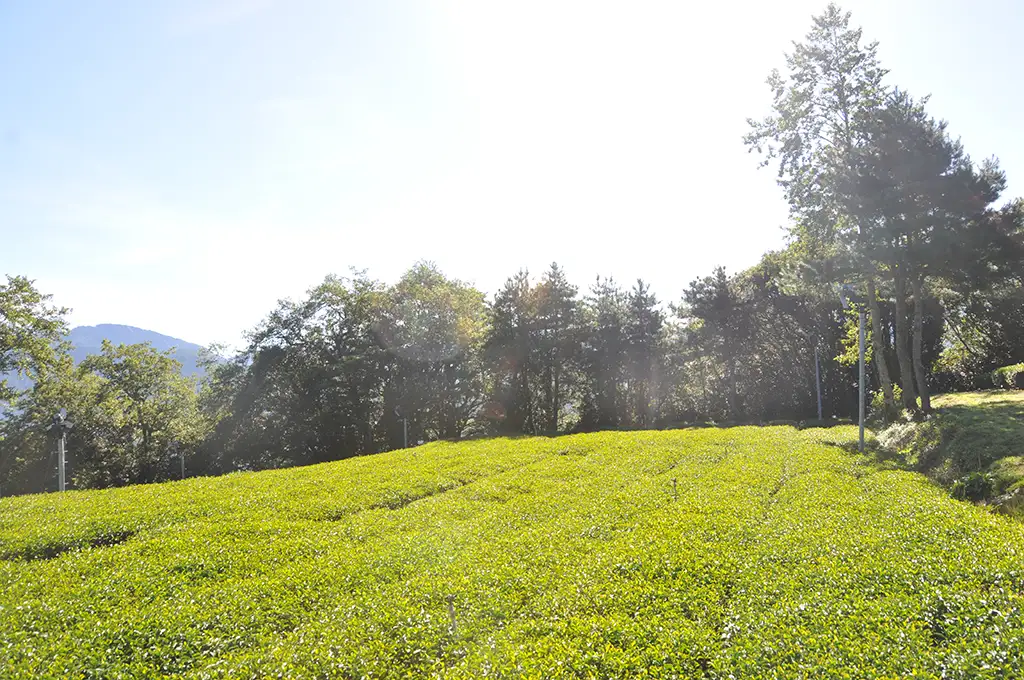
Fushoushan Farm began planting tea in the 1980s, marketing it externally as “Fushoushan Changchun Tea.” Endorsed by former presidents and other prominent figures, it enjoys great fame both domestically and abroad. Combined with its superior quality, demand has outpaced supply year after year in recent times. Currently, the farm has about 7.2 hectares of tea plantations with an annual production of about 9.6 tonnes of tea.
Fushoushan Tea Varieties
The tea from Fushoushan Farm is a semi-fermented oolong, with the main tea tree variety being Qingxin Oolong, followed by Wuyi tea, along with a small amount of Tieguanyin. Categorized by season, spring tea is harvested around late May to June, and winter tea is harvested around September. Because the general public is unfamiliar with high-mountain environments and flatland folks often think of June and September as summer, the farm mostly labels them as the first and second crop instead of spring and winter tea to avoid confusion.
| Tea Tree Varieties | Oolong, Tieguanyin, Wuyi Tea | |||
| Harvest Seasons | First crop, second crop, third crop (rare) | |||
| Tea Processing | Lightly fermented oolong | |||
| Available Products | Oolong, Wuyi tea, Tieguanyin, refined tea (Oolong, Wuyi). See Fushoushan Tea Prices | |||
The Fushoushan tea plantation sits at a very high altitude. At 2,350 to 2,490 meters, the tea trees struggle to grow in October and November, so generally only two crops are harvested, with a third crop being much less common.
Fushoushan Tea Varieties FAQ
Do they produce black tea or Winter Sprout Oolong?
We have not heard of any black tea or Winter Sprout Oolong being made there. Nighttime temperatures near December drop close to freezing, leaving no opportunity for Winter Sprout Oolong to grow. However, we have heard there is a chance to harvest a third crop in October and November.
When are Fushoushan Spring and Winter teas harvested?
Spring tea is generally referred to as the first crop. Because spring arrives later in the high mountains, the first crop is mostly harvested from May to early June. Winter tea is often called the second crop and is mostly harvested in September.
Does Fushoushan Farm grow Yingxiang tea?
Aside from Qingxin Oolong, Wuyi, and Tieguanyin, we have not heard of any other tea varieties being grown. Check out the Fushoushan Farm official website for details.