Lishan Tea

Lishan tea price

Lishan Tea Prices

Tea Enthusiast’s Question: Hello, is the hand-picked Lishan tea on XX Shopping Channel real? Hand-picked spring tea, buy 3 get 1 free, plus a tea set included, all for just NT$2,600. If this is real, didn’t I overpay when I bought from you before? I could buy over 4 600g packs on the shopping channel
What is Lishan tea?

What is Lishan Tea? Guide to Lishan Tea Types

What is Lishan Tea? What are the different types of Lishan Tea? Most Lishan Tea is “ball-shaped lightly-fermented oolong,” commonly known as high-mountain oolong. Because the tea gardens are located at very high altitudes, it carries a distinctive high-mountain aroma. Below is an introduction to the types of Lishan Tea: What is Lishan Tea? Lishan

Characteristics of Lishan Tea

Characteristics of Lishan Tea: Discover Its Charm in 3 Minutes

Lishan tea is known for its low bitterness and astringency, distinct high-mountain “red” notes (高山葒), and unique aroma, making it a favorite not only among Taiwanese tea lovers but also tea enthusiasts worldwide. However, not all Lishan tea possesses these qualities, and poor-quality Lishan teas do exist. Let me walk you through the characteristics of

Lishan tea variety

Lishan Tea Cultivars: 4 Common Lishan Tea Varieties

A few days ago, a tea lover called to ask if we carry Lishan Yingxiang tea or JinXuan tea. To clear things up for everyone, almost all Lishan tea cultivars are Qingxin Oolong, accounting for over 97%. This is followed by Wuyi tea, Tielguanyin, and a small amount of JinXuan. Other varieties are extremely rare

Lishan tea grades

Lishan Tea Grades: What Do 78K and 83K Mean?

Tea Lover’s Question: I often see Lishan tea labeled as 77K, 78K, 83K, or 85K on the market. Are these official grading standards for Lishan tea? Since higher numbers seem to come with higher prices, does that mean better quality? Is that how it works? What Do 78K and 83K Mean in Lishan Tea? The

Fushoushan Tangzhuang Hanzhuang Yizhuang Tea Area

Where are the Fushou Mountain Tangzhuang, Hanzhuang, and Yizhuang Tea Regions?

Customer Inquiry: Some merchants are selling Fushou Mountain tea from Tangzhuang, Hanzhuang, and Yizhuang respectively. Where are these tea plantations located? Where are the Fushou Mountain Tangzhuang, Hanzhuang, and Yizhuang Tea Regions? When Fushou Mountain Farm was initially developed, there were 24 settlement zones distributed around the farm. The early veterans made a living by

Lishan North Line tea plantation scenery

Where is Northern Lishan? What are the characteristics of its tea?

A question we’ve recently been asked by tea enthusiasts is, “A lot of tea merchants are selling Northern Lishan tea. Where is Northern Lishan?” In fact, what people in the industry call Northern Lishan is actually Cuiluan North Line, and some also call it HuaGung North Line. They all refer to the exact same tea-growing

Lishan tea plantation in the early morning

Where Does Lishan Tea’s Irresistible “High-Cold Aroma” Come From?

For tea lovers, the defining impression of Lishan tea is its pure, refreshing “high-cold aroma.” With its crisp, mineral-like quality that feels just like a cool mountain breeze, this unique fragrance keeps people coming back for more. So, where exactly does this captivating aroma come from? Where Does Lishan Tea’s High-Cold Aroma Come From? Premium

Dayuling tea and Lishan tea

Dayuling Tea vs. Lishan Tea: Which One Tastes Better?

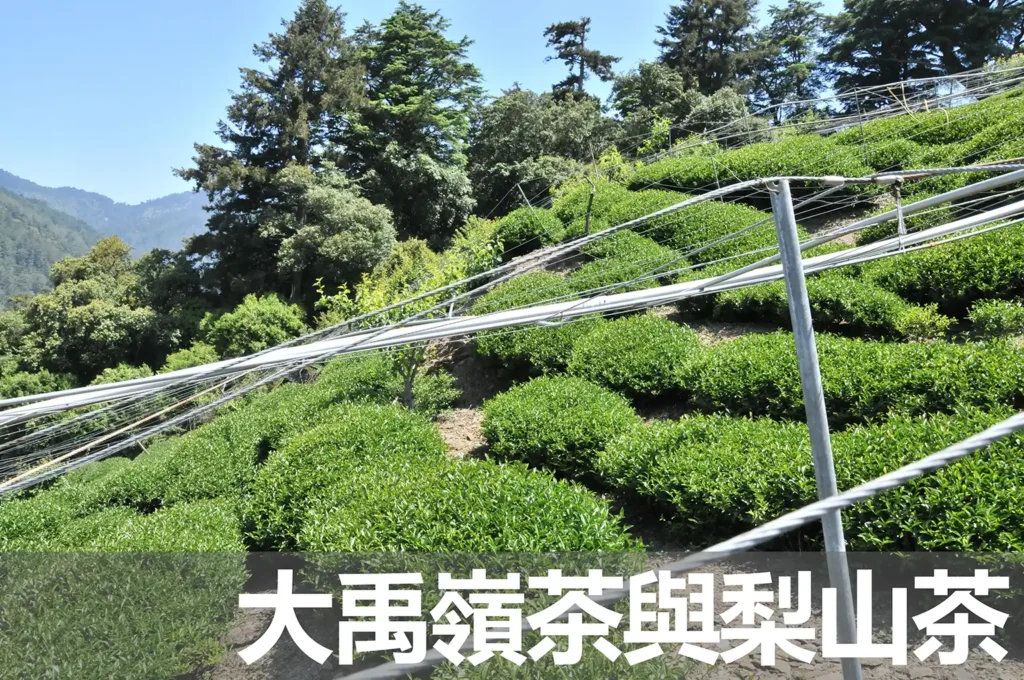
Tea Lover Question: Dayuling tea and Lishan tea are two of Taiwan’s most famous high-mountain teas. What are the differences between them? Which one tastes better, and which should I buy? Key Differences Between Dayuling Tea and Lishan Tea   Dayuling Tea Lishan Tea Origin Km 100 to Km 103 on the Central Cross-Island Highway

Fushoushan Farm’s New Tieguanyin Garden: Lixin Tea Garden

Tieguanyin from Fushoushan Farm has long been considered the ultimate crown jewel by tea lovers. However, few realize that the farm actually cultivated very few true Tieguanyin cultivar tea trees. Most of Fushoushan Farm’s Tieguanyin has actually been produced using traditional roasted processing methods on Qingxin Oolong and Wuyi cultivars. This distinction has drawn criticism

Shopping Cart