| Qingxin Oolong |
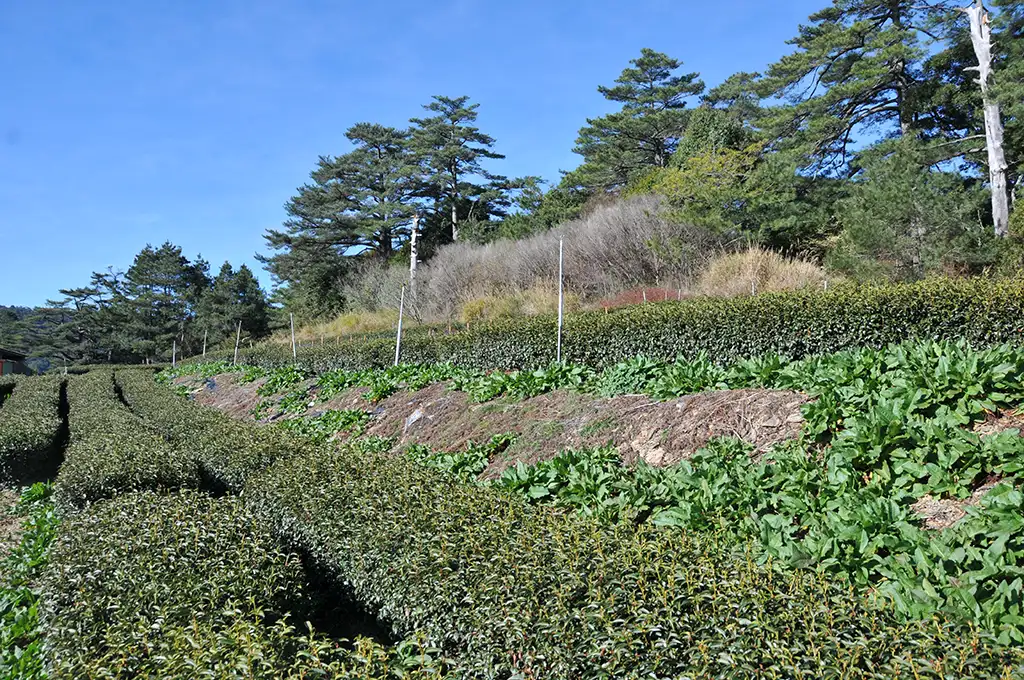
Accounts for the highest proportion of Lishan tea cultivars, making up at least 97% of total production. It is mainly distributed across Huanshan Tribe, Songmao Tribe, Xinjiayang, and Fushoushan Farm, covering nearly the entire Lishan region. (Pictured above: Qingxin Oolong) |
| Wuyi Tea |
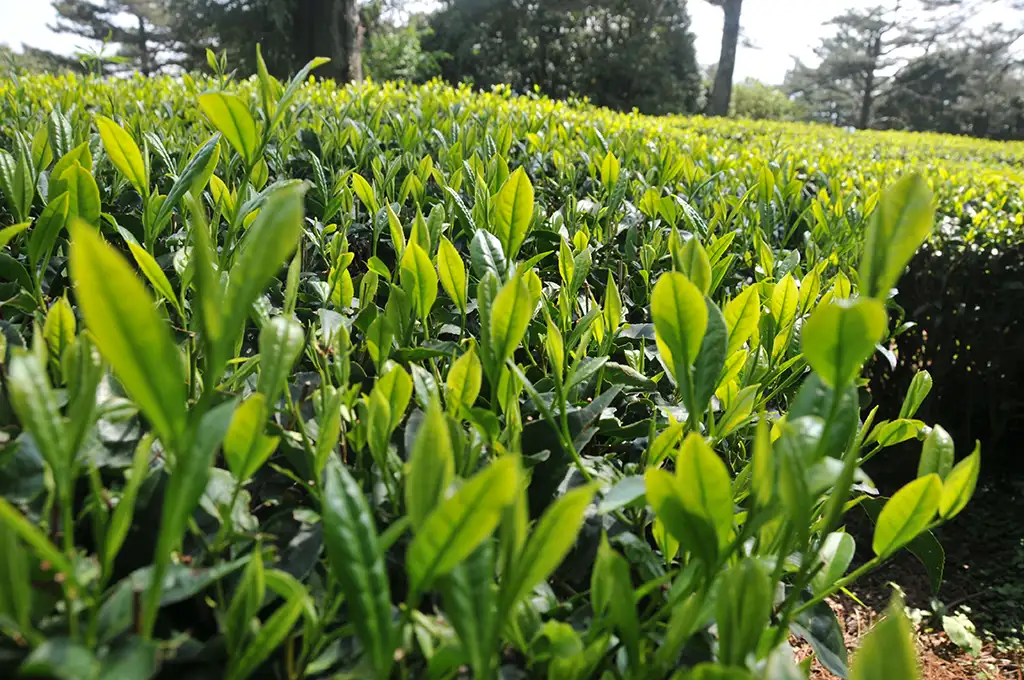
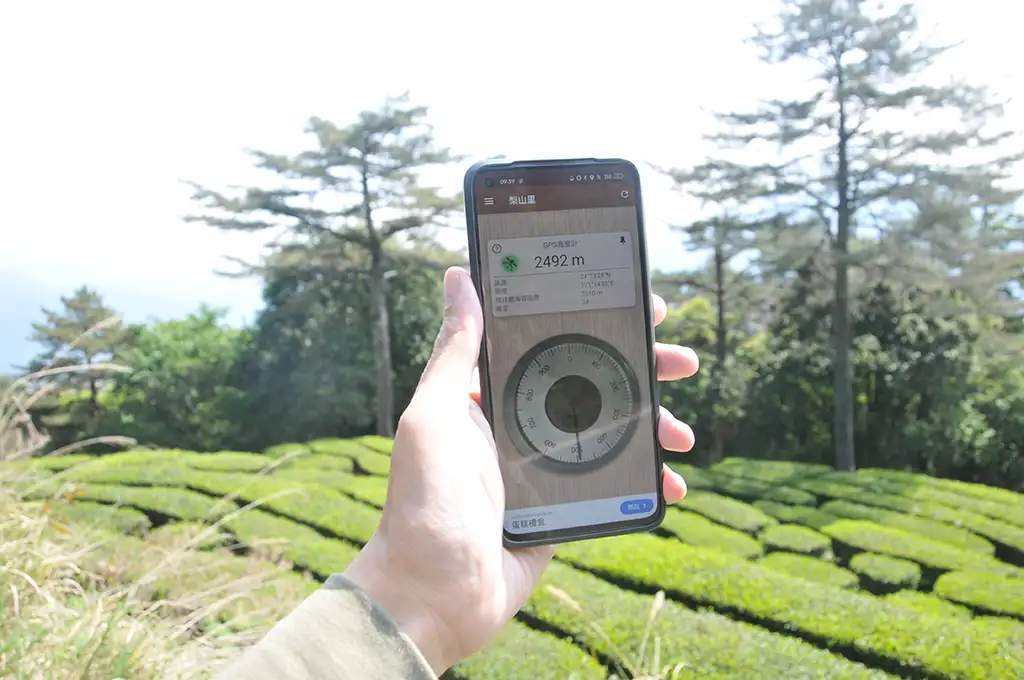
Produced in limited quantities and found only at Fushoushan Farm. The Wuyi tea gardens, situated at an altitude of 2,450 to 2,480 meters, yield about 300 to 600 kg per season. It is not cultivated in other parts of Lishan. (The next 2 photos show Wuyi tea) |
| Tieguanyin |
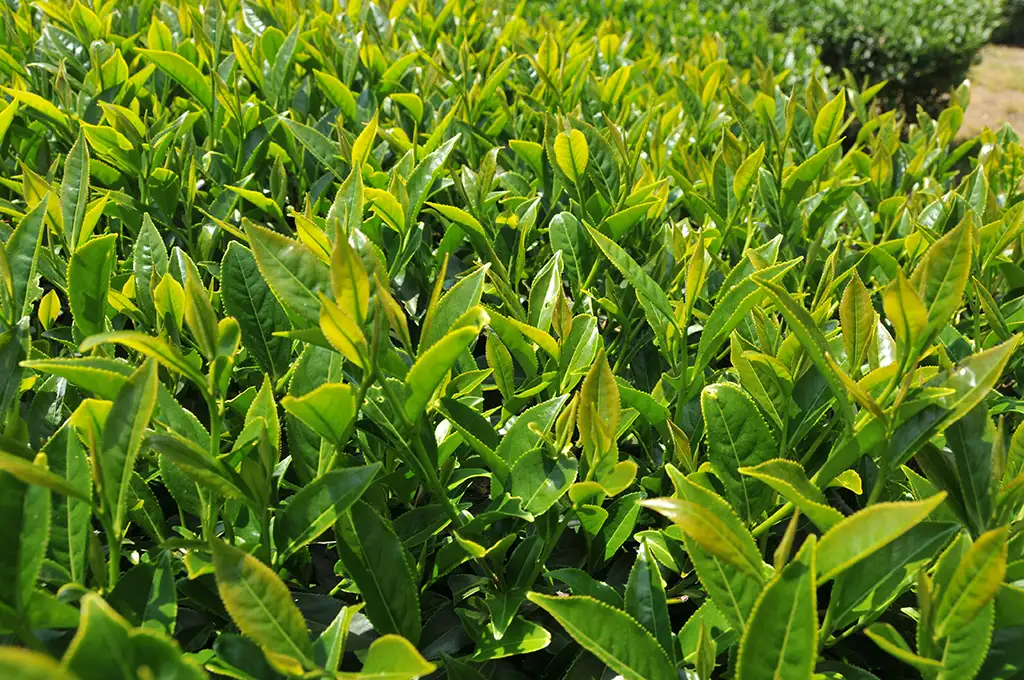
Cultivated sporadically in private tea gardens around Fushoushan Farm and Lishan town. Production is extremely low, but the tea quality is exceptional and rivals Qingxin Oolong in quality. (The final photo shows Tieguanyin tea) |
| JinXuan Tea |
Typically grown in tea gardens below 1,000 meters in altitude, and less common in high-mountain regions. However, Wuling Farm cultivates it at an altitude of 1,800 meters, with only a few sporadic trees found across the Lishan area. |