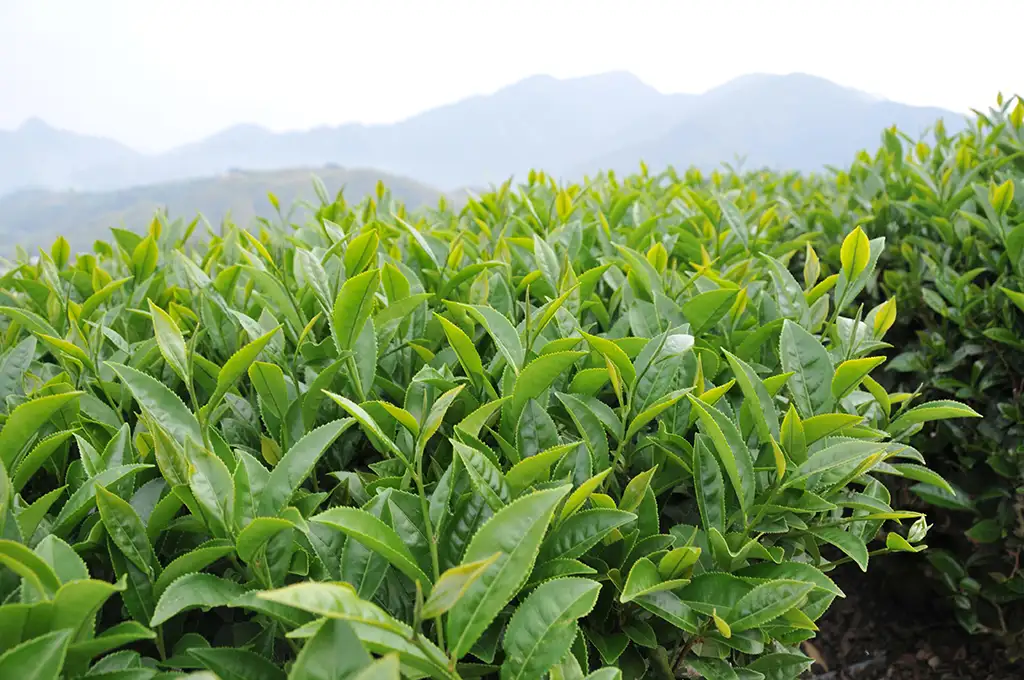
Tea Plant Variety: TTES No. 12 JinXuan Tea

JinXuan Tea is an excellent tea plant variety bred by the Tea Research and Extension Station (TRES) in Taiwan, renowned for its fresh floral and herbal aromas and rich milky notes. Its high yield, stable quality, and strong disease resistance have made it the second most widely cultivated tea plant variety in Taiwan, deeply beloved by consumers.

TTES No. 12 JinXuan Tea

The Origin of TTES No. 12 JinXuan Tea

JinXuan Tea was bred by the Tea Research and Extension Station in Taiwan. Director Wu Chen-tuo crossbred “Yingzi Hongxin” with “Tainong No. 8” from over 5,000 seedling plants left behind by the Japanese, and named it after his grandmother, “JinXuan.” In 1982, it was officially approved by the naming committee as “TTES No. 12.” Because its experimental number was 2027, it is also colloquially known as “Er-Qi-Zai” (No. 27).

Characteristics of JinXuan Tea

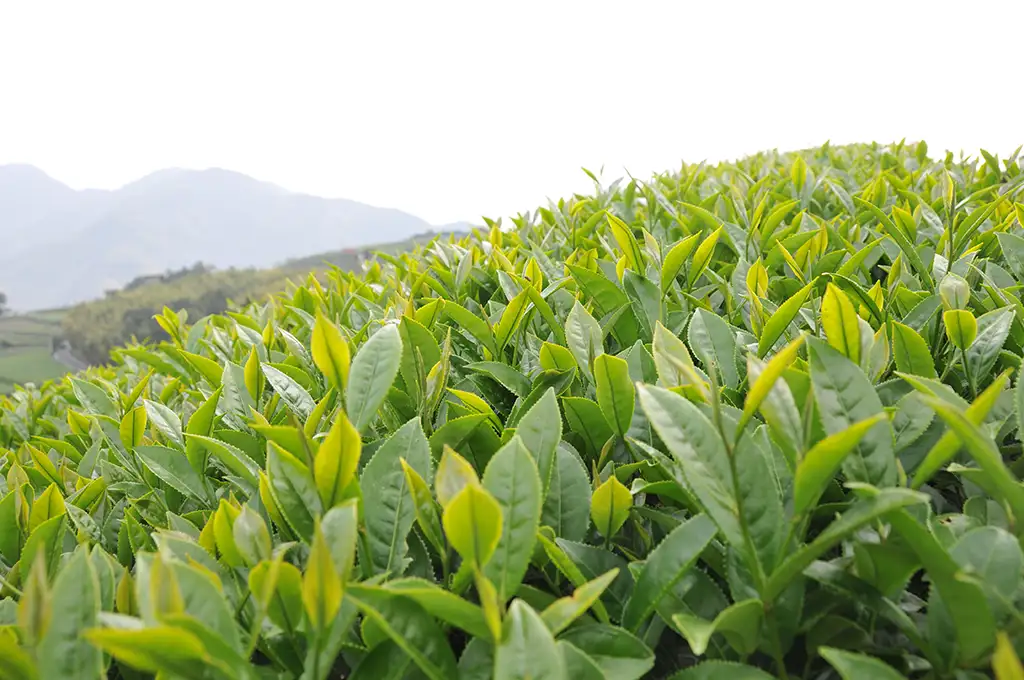
JinXuan tea features a spreading bush growth habit with expansive branches and leaves. Its leaves are oval, thick, tender, and vibrant green with a natural luster. The leaf buds are tinged with purple, covered in fine downy hairs, and grow densely.

The biggest advantage of JinXuan tea is its robust vitality and exceptional disease resistance, outperforming other varieties in tolerating branch blight, drought, waterlogging, and cold weather. This strong adaptability allows it to thrive across Taiwan’s various tea regions. It can be harvested up to 7 times a year, with yields per unit area increasing by up to 50% compared to Qingxin Damao and Qingxin Oolong. The most defining characteristic of JinXuan tea is its rich, creamy aroma complemented by floral notes. Its light, lifted floral fragrance makes it a top choice for bubble tea shops and tea lovers who appreciate aromatic teas.

Taiwan Tea No. 12 JinXuan Tea

Suitable Tea Types for Processing

JinXuan tea is versatile and suitable for producing various teas, including partially fermented varieties like Pouchong and Oolong. In recent years, it has also been increasingly used to make heavily fermented teas such as JinXuan Black Tea and Oriental Beauty.

Main Production Areas

Thanks to its remarkable adaptability, JinXuan tea is widely cultivated across major tea regions in Taiwan, including Pinglin and Shiding in New Taipei City, the Taoyuan-Hsinchu-Miaoli area, Nantou, and Chiayi. Among these, tea gardens below 1,000 meters in elevation in Nantou and Chiayi are the primary production hubs.

JinXuan Tea Q&A

How to brew JinXuan tea?

It depends on the specific tea type. JinXuan can be processed into Oolong, Pouchong, Black Tea, and Oriental Beauty tea, each requiring a different brewing method. For lightly fermented Oolong tea, a tea-to-water ratio of 1:10 is recommended.

Does JinXuan tea contain caffeine? Will it keep me awake?

Yes, JinXuan tea contains caffeine—all tea-based products do. For details, please refer to the Tea Caffeine Content Chart.

Stomach ache after drinking?

This may be due to tea drunkenness; avoid drinking tea on an empty stomach. For more information, check out What is Tea Drunkness?.

Shopping Cart