When talking about Oriental Beauty Tea and Honey Black Tea, many people associate them with their honeyed aroma, and quite a few even mistake them for the same type of tea. In fact, they are not entirely identical. Here is a breakdown of the differences between these two teas:
Difference Between Oriental Beauty Tea and Honey Black Tea?
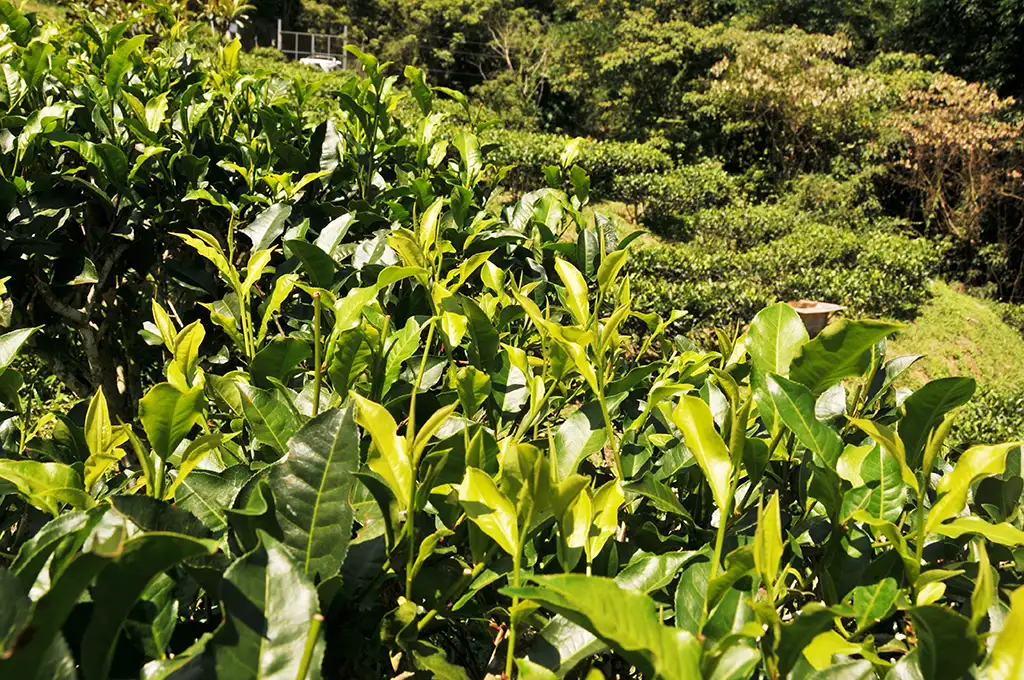
Both of these teas belong to “bug-bitten tea,” meaning they are crafted from tea leaves that have been nibbled on by Jacobiasca formosana. Because the leaves secrete enzymes after being bitten, creating a distinct honey or ripe fruit aroma, both teas share an enticing sweet, honeyed fragrance. However, they also differ in many ways, as outlined below:
| Difference | Oriental Beauty Tea | Honey Black Tea |
|---|---|---|
| Oxidation Level | A type of oolong tea, with an oxidation level of about 60-80% | Fully oxidized, with an oxidation level of 90% or higher |
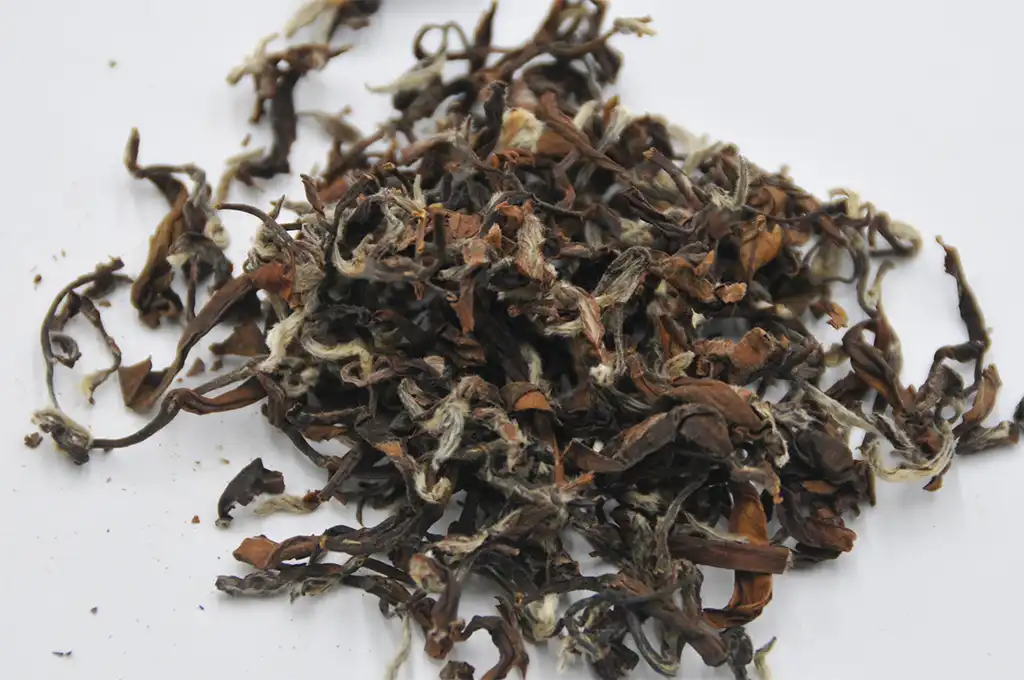
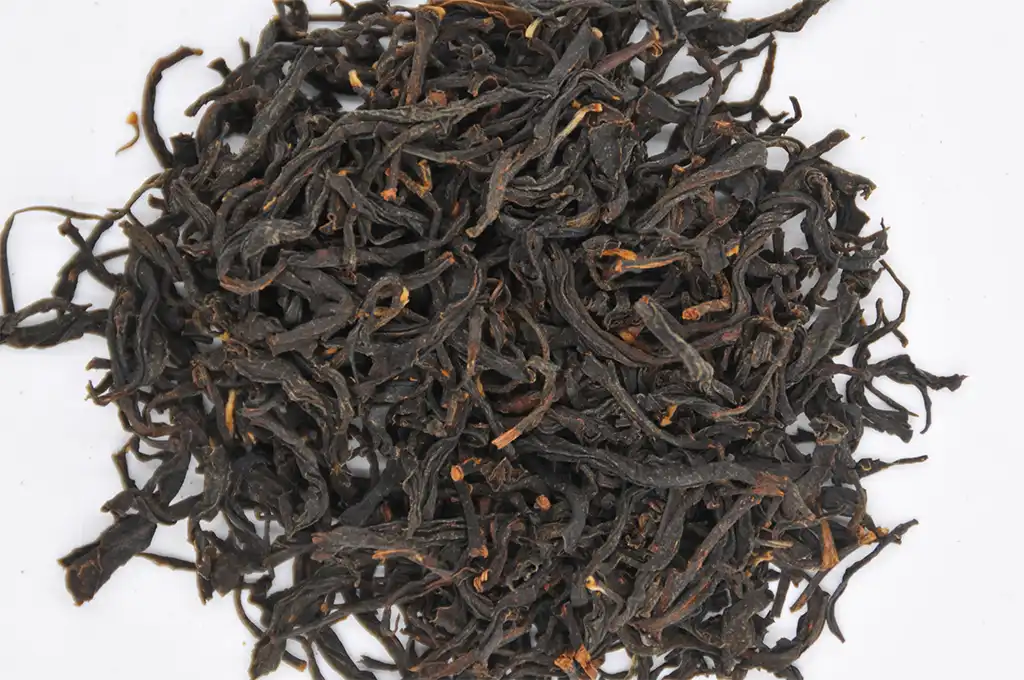
| Appearance & Color | Rich in color, featuring a mix of white, green, yellow, red, and brown hues | Primarily dark black tea leaves |
| Aroma & Flavor | Full-bodied aroma with bright, sweet notes | Rich aroma with a stronger sweet aftertaste (huigan) |
| Liquor Color | Amber-colored tea liquor | Vibrant red tea liquor |
| Origin | Mainly produced in Pinglin District, New Taipei City, as well as Hsinchu and Miaoli | Primarily produced in Hualien and Taitung |
Similarities Between the Two Teas
| Production Method | Both are “bug-bitten teas,” requiring bites from the Jacobiasca formosana (formosan green leafhopper) to develop their characteristic honey aroma. |
| Harvest Season | Tea harvested from May to August is of the highest quality, as this is when the green leafhopper population peaks. |
Although Oriental Beauty Tea and Honey Black Tea are both “bug-bitten teas,” they each have distinct characteristics in tea category, flavor, appearance, and origin. Next time you visit a tea shop, be sure to pick up both and compare them! (Between these two teas, can you tell which is Oriental Beauty and which is Honey Black Tea?)