
Reader Inquiry: Hello! I’ve recently become very interested in Tieguanyin tea, but I’ve seen conflicting information online and am not quite sure whether it’s considered raw or ripe tea. Could you please let me know if Tieguanyin is raw or ripe? I’d love to get some professional insight from you, thank you!
Is Tieguanyin Raw or Ripe Tea?
Hello! Thank you for your message. This is a question that truly puzzles many tea lovers. Let’s first briefly introduce raw and ripe teas. In Taiwan, teas are typically classified into raw and ripe based on their roasting level:
After producing rough tea (maocha), a refining process called “roasting” is sometimes added. Roasting has two main functions: first, it reduces the moisture content of the tea leaves, making them easier to transport and store. Second, it alters the flavor profile, making the taste richer and more nuanced. Teas that undergo roasting are called ripe tea; unroasted teas are raw tea.
- Raw Tea: Common examples include Wenshan Baozhong tea, High Mountain Oolong tea, and others.
- Ripe Tea: Examples include Dongding Oolong and heavily roasted Oolongs. These types of tea typically undergo higher levels of roasting.
Does Tieguanyin belong to raw or ripe tea? This depends on its tea-making craftsmanship
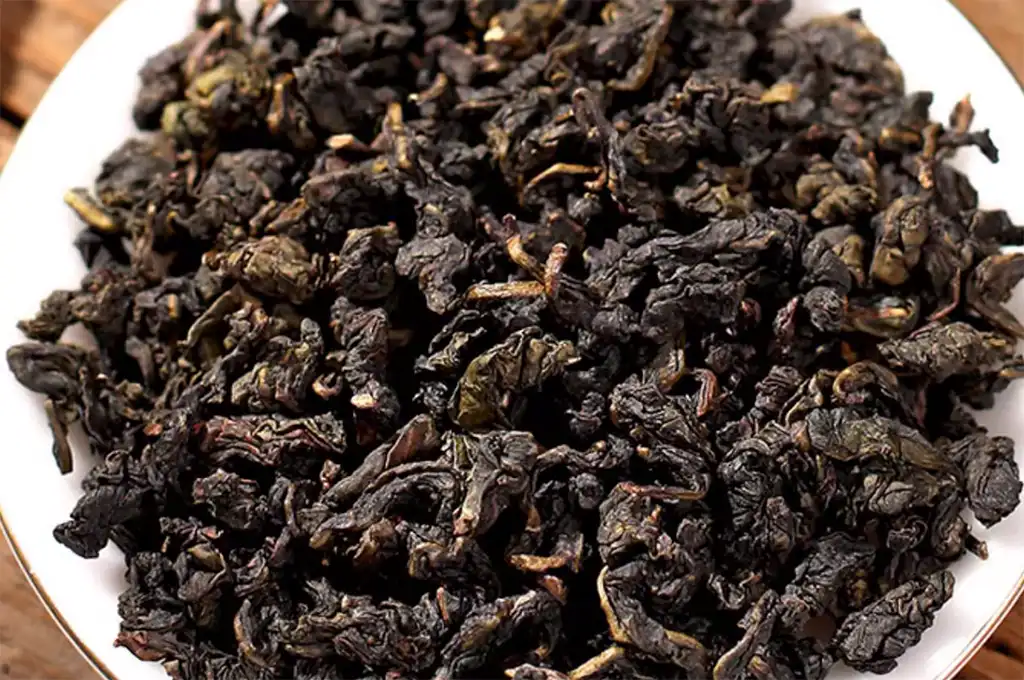
Whether Tieguanyin is raw or ripe depends on its production method. Anxi Tieguanyin and Muzha Tieguanyin both adopt medium fermentation and medium-to-heavy roasting. Tieguanyin tea produced through these methods falls under ripe tea. Therefore, traditional Tieguanyin tea is a ripe tea.
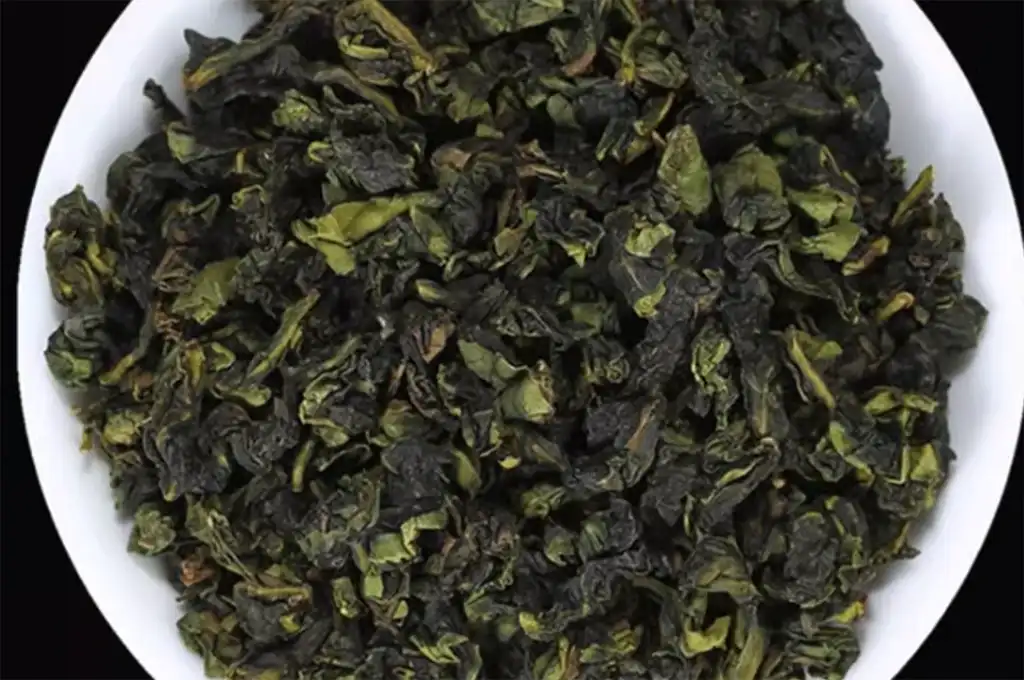
In recent years, “High Mountain Tieguanyin” has also become popular in Taiwan. This refers to Tieguanyin grown in high mountain regions, made using a light fermentation and non-roasting method, which results in a raw tea. However, the production volume of High Mountain Tieguanyin is relatively small, and the mainstream remains the traditional Tieguanyin ripe tea method mentioned above.
As a side note, the definitions of raw and ripe tea differ between Taiwan and mainland China
The classification of raw and ripe tea in mainland China primarily applies to Pu-erh tea. Pu-erh that has not undergone artificial pile-fermentation is raw Pu-erh, while tea that has gone through artificial pile-fermentation is ripe Pu-erh. In Taiwan, however, the distinction between raw and ripe is primarily based on whether or not a roasting process was applied, as mentioned earlier.