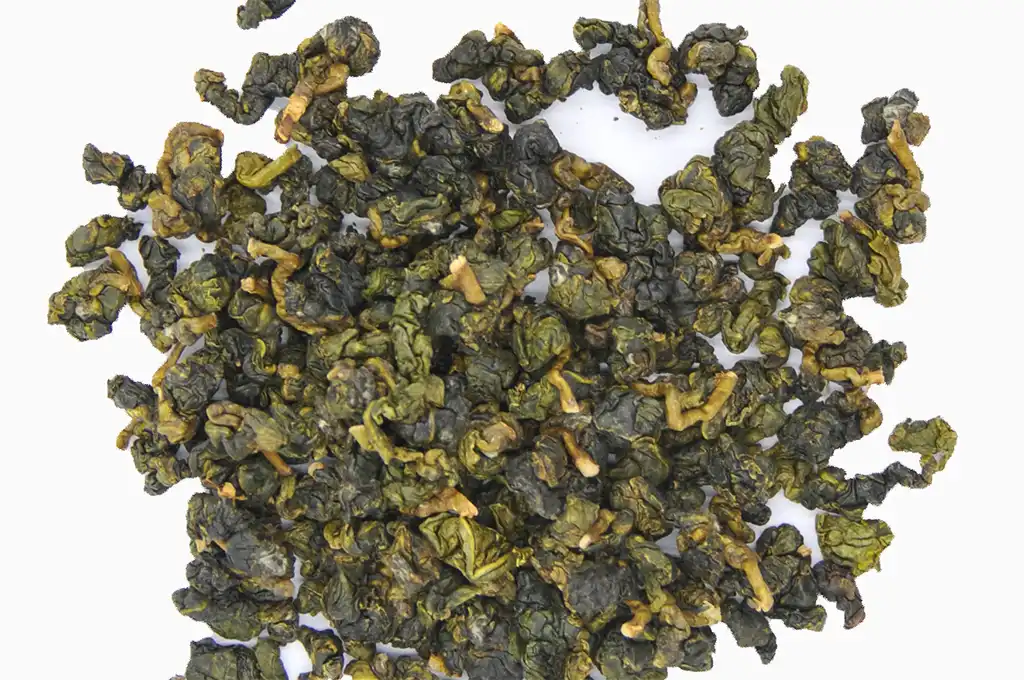
Does Winter Sprout Oolong Have Caffeine? Winter Sprout Caffeine Content

A tea lover asked: I heard a tea merchant say, “Winter Sprout Oolong has no caffeine, so you won’t lose sleep no matter how much you drink.” Is this true? Why would Winter Sprout be caffeine-free?

Caffeine content in Winter Sprout Oolong

Liao Chang Xing: Does Winter Sprout Oolong Have Caffeine?

We’re sorry to break it to you, but Winter Sprout Oolong does contain caffeine. In fact, all tea products contain caffeine. The good news is that compared to spring, summer, autumn, and regular winter teas, Winter Sprout has a relatively low caffeine content, so drinking a bit extra generally won’t affect your sleep.

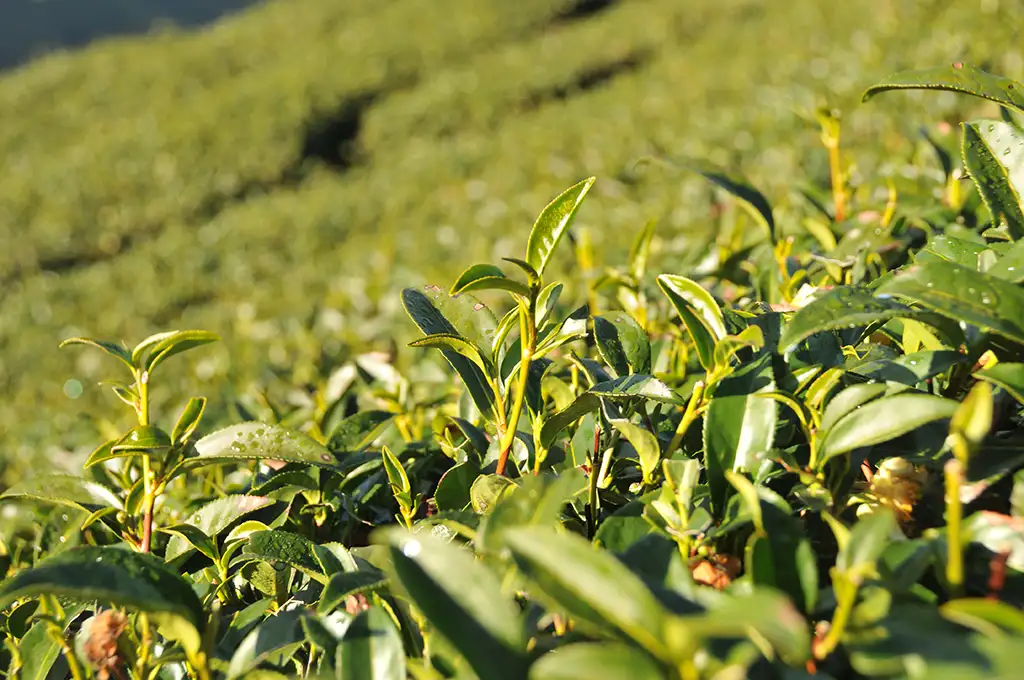
Why Does Winter Sprout Have Lower Caffeine Content?

The caffeine content in tea leaves is not fixed. It varies based on the tenderness of the leaves (younger leaves have more caffeine) and the temperature during the growing period (the warmer the weather, the higher the caffeine in the growing tea). Temperature plays a huge role here. Winter Sprout mainly grows in November, December, and January. Since the weather is cold during this period, the caffeine content is significantly lower. The caffeine content in Winter Sprout is approximately 25 to 35 mg per 100 ml.

Winter Sprout Oolong caffeine content

Although Winter Sprout has a lower caffeine content compared to coffee and other teas, it is not zero, so you still need to be mindful of how much you drink. Generally, the recommended daily caffeine intake is under 400 mg. If you are sensitive to caffeine or prone to insomnia, adjust your intake based on your personal condition. Pregnant and nursing women should consult a doctor before drinking.

Shopping Cart