Which tea has the highest caffeine content? Generally speaking, the order is Black Tea > Oolong > Green Tea > Pu-erh, but it ultimately depends on factors such as leaf maturity, oxidation (fermentation) level, roasting method, leaf shape, and brewing technique. Sometimes, Pu-erh and green tea can even have higher caffeine content than oolong tea. Here are the key factors that influence caffeine levels:

Which tea has the most caffeine? Key factors explained first
The main factors affecting caffeine levels in tea include growing temperature, leaf maturity, oxidation level, roasting degree, leaf shape, and brewing method. Here is a detailed breakdown:
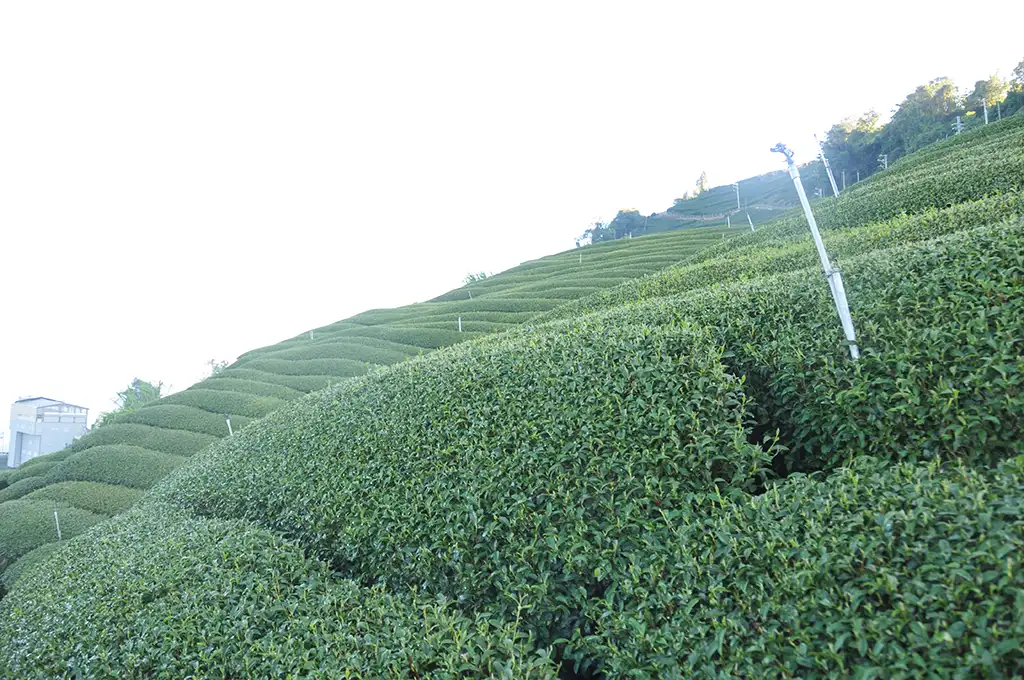
Growing Temperature: Tea leaves grown in warmer temperatures have higher caffeine content, meaning summer tea contains more caffeine than winter and spring teas. Additionally, tea grown in flatlands has a higher caffeine content than high-mountain tea due to the warmer climate.
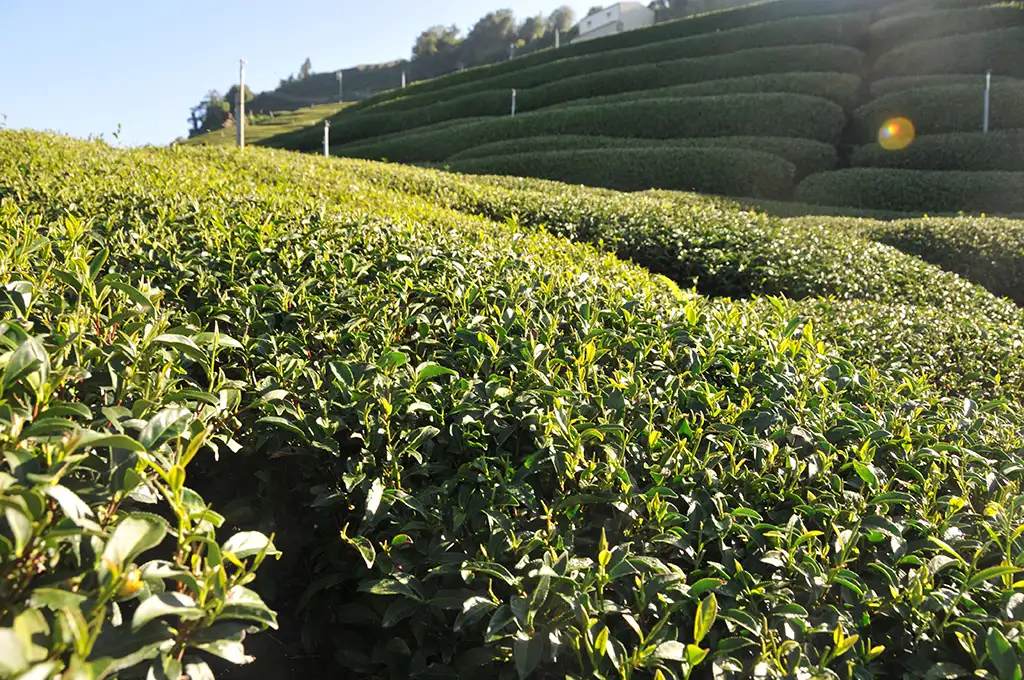
Maturity of Tea Leaves: Younger tea leaves offer a richer flavor, but also come with higher caffeine content. Teas made exclusively from buds or one bud and one leaf typically contain more caffeine than those made from one bud and two or three leaves.
Fermentation Level: The longer the fermentation process during tea making, the higher the caffeine content. Therefore: Black tea > heavily fermented oolong tea > lightly fermented oolong > green tea.
Roasting Method: Less roasting results in higher caffeine, as high roasting temperatures convert caffeine into mellow and caramel aromas. The higher the roasting temperature and the longer the duration, the lower the caffeine concentration becomes.
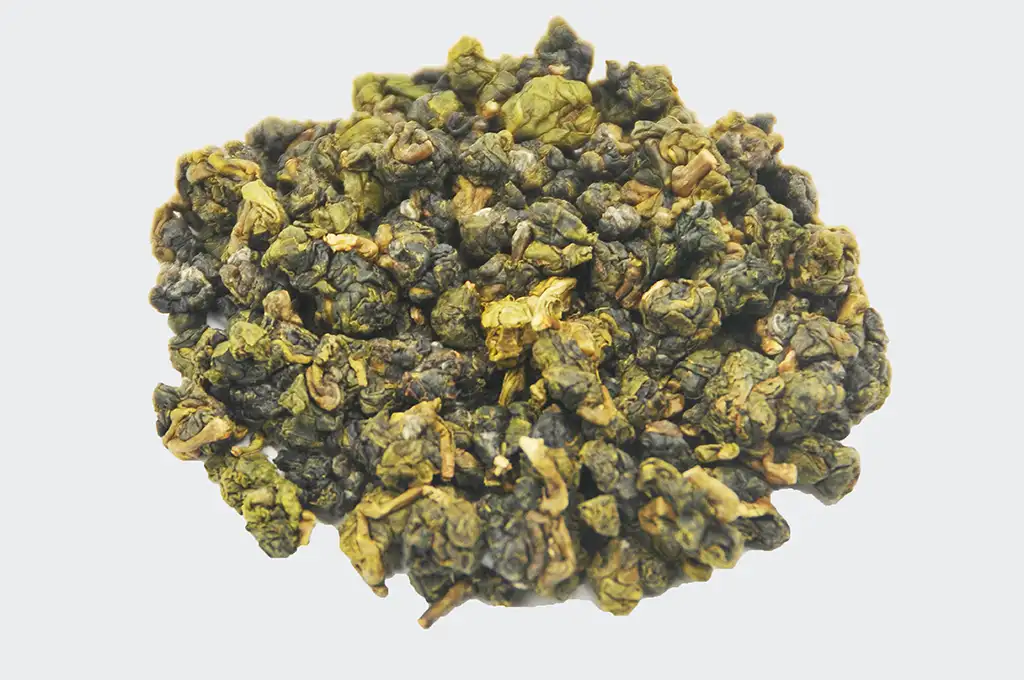
Tea Leaf Form: Whole-leaf tea releases caffeine less easily, whereas broken-leaf tea releases it more readily. For example, brewed broken black tea has a higher caffeine content than whole-leaf black tea. Another example is matcha or green tea powder, where the brewed tea contains significantly more caffeine than whole-leaf green tea.
Brewing Method: The longer you steep, the more caffeine is released; the higher the water temperature, the higher the efficiency of caffeine extraction.
Which type of tea has the most caffeine?
Generally speaking, black tea has the highest average caffeine content among tea categories, at about half that of coffee. However, combining the factors above, oolong tea can sometimes surpass black tea. For instance, heavily fermented summer oolong tea from flatland regions may have a higher caffeine content than mature-leaf black tea produced in high-mountain areas.
In fact, aside from choosing low-caffeine teas, brewing methods and steeping times also affect caffeine levels. Trying lower water temperatures, using fewer tea leaves, and reducing steeping time can all help minimize caffeine extraction—you don’t necessarily have to restrict yourself to low-caffeine teas.