
A tea enthusiast wrote in asking: I want to go straight to the origin to buy Tieguanyin tea from tea farmers, where is Taiwan’s Tieguanyin produced? Also, I’ve heard there are authentic (zhengcong) and non-authentic Tieguanyin varieties, how can I tell them apart?
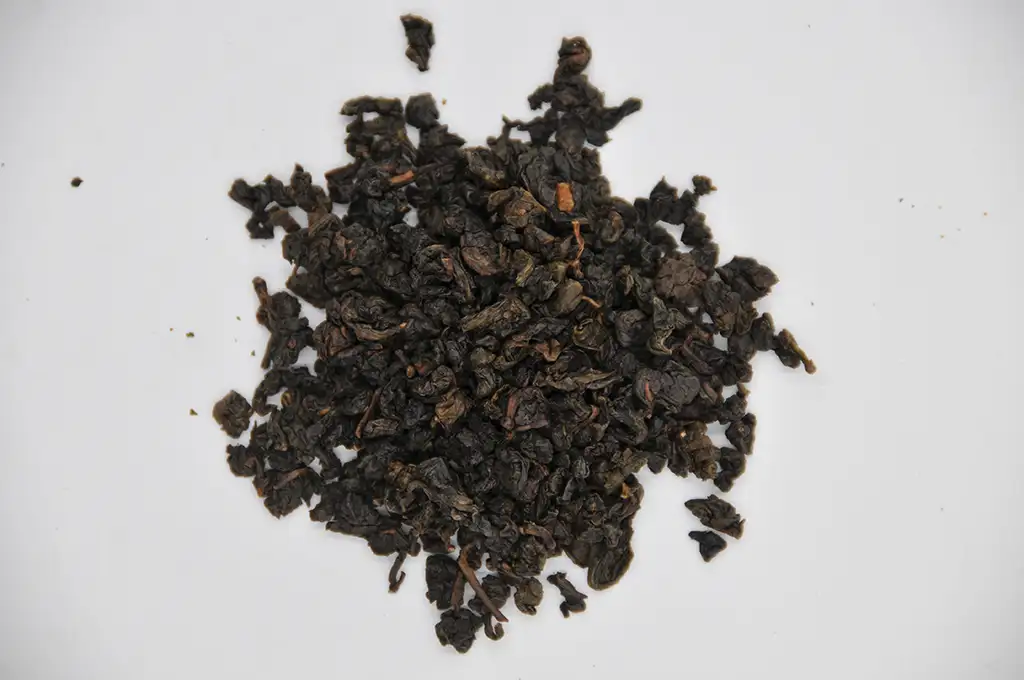
Taiwan Tieguanyin Origin
The most iconic producing region is undoubtedly the Muzha Tea District in Taipei City, where Tieguanyin is the main tea product. Shimen District in New Taipei City also produces Tieguanyin. However, do note that much of the Tieguanyin from Muzha and Shimen is made using the “Tieguanyin processing method,” while the raw tea leaves might actually be Yingzhi Hongxin, JinXuan, or Sijichun—meaning they are non-authentic (fei zhengcong). If you are looking for authentic Tieguanyin, be sure to check with the vendor whether the tea tree variety is indeed Tieguanyin.
Taiwan Authentic Tieguanyin Tea Origin
Muzha is currently the region with a larger yield of authentic Tieguanyin tea. The local Qingxin Tieguanyin is mostly processed with medium fermentation and heavy roasting, representing traditional Tieguanyin. Aside from Muzha, small quantities are also grown in Pinglin, Lugu, Zhushan, Ren’ai Township, Lishan, Alishan, and Mingjian.
What’s particularly interesting is the recent trend of “High Mountain Authentic Tieguanyin,” which involves growing Tieguanyin in tea gardens at elevations above 1,000 meters and using the “light fermentation, unroasted” high mountain tea method to produce high mountain Tieguanyin tea. High mountain Tieguanyin offers a rich flavor, blending the unique Guanyin charm perfectly with high mountain aromas, and its production has been on the rise in recent years. Tea lovers playfully nickname High Mountain Authentic Tieguanyin “HSR” (High Speed Rail, a play on the abbreviation), considering it a premium tea produced in small quantities yet of exceptional quality. Small amounts of high mountain Tieguanyin are cultivated in Lishan, Malieba, Cuifeng, Cingjing, Fanzitian, and Alishan.
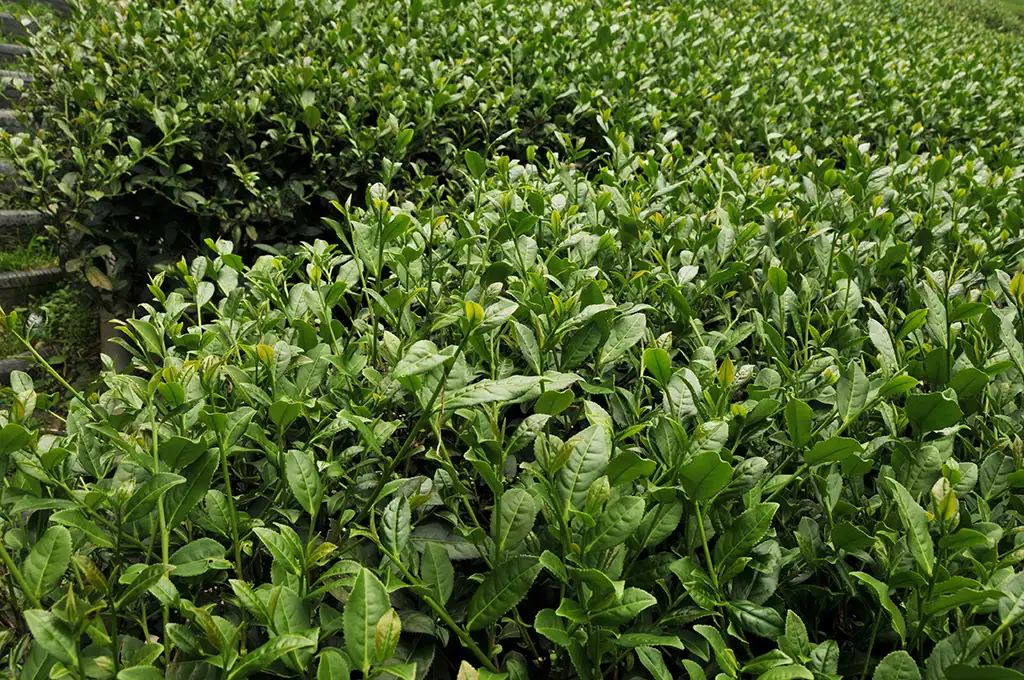
How to Tell Authentic from Non-Authentic Tieguanyin
So-called authentic (zhengcong) means it is made from the Tieguanyin “tea tree variety,” whereas non-authentic uses other tea tree varieties, commonly JinXuan, Sijichun, or Yingzhi Hongxin. These teas have different flavor profiles from the Tieguanyin variety, but once roasted, their appearance makes it very difficult for consumers to distinguish between authentic and non-authentic (they both look dark). Therefore, choosing a reputable merchant and asking “Is this authentic (zhengcong)?” before purchasing is a much more practical approach.