
What is Taiwanese white tea? Taiwanese white tea refers to white tea produced in Taiwan. White tea is one of the six major classes of Chinese tea, renowned for its simple production process and natural flavor. Taiwanese white tea mainly comes from the northern and central tea-producing regions of Taiwan, such as Pinglin and Sanxia in New Taipei City, and Zhushan and Yuchi in Nantou.
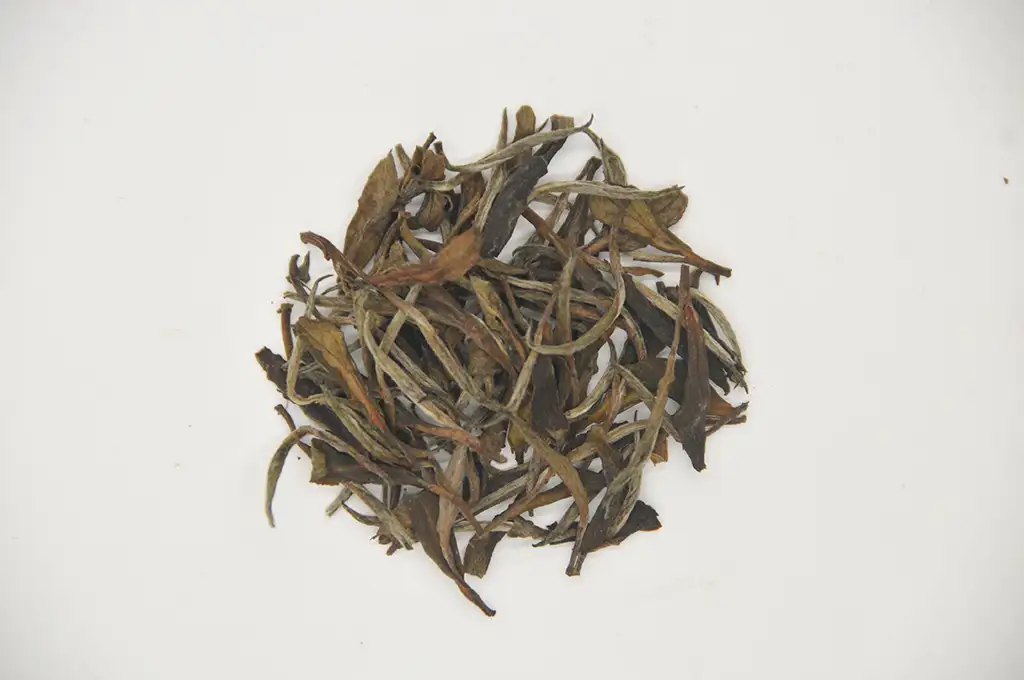
What are the characteristics of Taiwanese white tea?
- Simple Production: The method of making white tea is relatively straightforward. After harvesting, the leaves are left to wither naturally, followed directly by drying. White tea skips the kill-green (shaqing) and rolling steps, allowing it to largely preserve the original flavor and appearance of the tea leaves. Quality primarily depends on the quality of the fresh leaves, harvesting methods, and aging time.
- Appearance and Taste: White tea gets its name from the silvery-white tea buds and downy hairs. The buds are covered with a layer of white fuzz. The liquor is light yellow or pale green, featuring a delicate floral aroma and a sweet taste that evolves with aging time.
We sell Taiwanese white tea in our store, feel free to check it out: Taiwanese White Tea
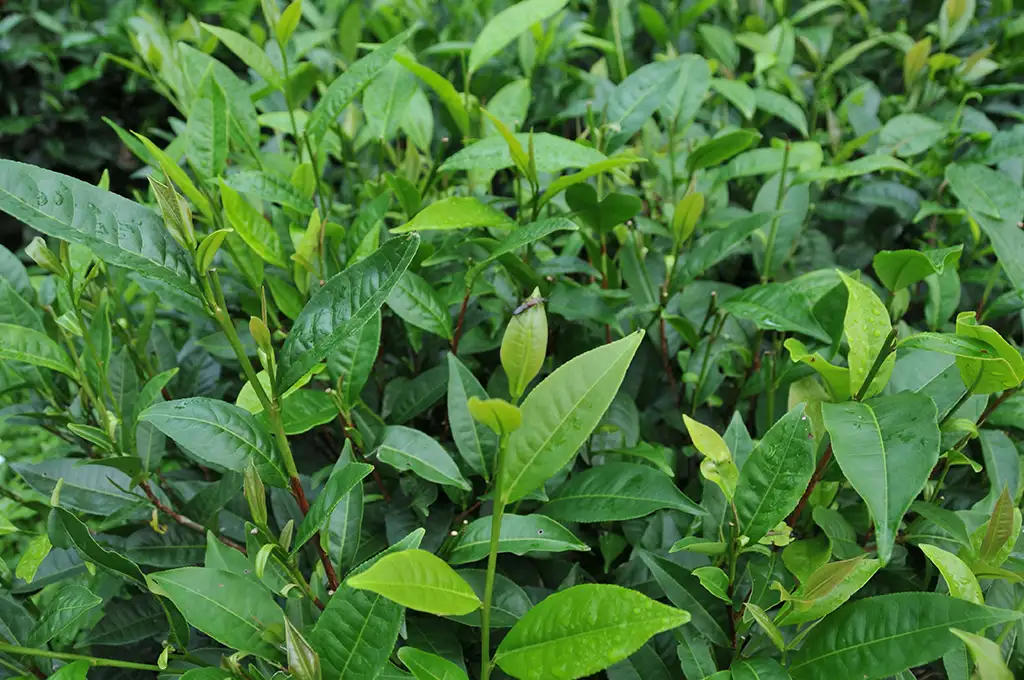
- Tea Grade Classification: The quality grading of white tea usually stems from the quality of the fresh leaves. The highest grade is “Silver Needle” (Baihao Yinzhen), which consists exclusively of tea buds; the second highest is “White Peony” (Baimudan), made from buds with one or two leaves; the third is “Tribute Eyebrow” (Gongmei), featuring one bud and two to three leaves; and the fourth is “Shoumei”, made from older leaves.
- Changes Brought by Aging: White tea has a saying: “Tea in one year, medicine in three years, treasure in seven years,” expressing the tea community’s anticipation for how white tea transforms through aging. Aged white tea becomes softer and rounder in taste, and aged white tea is considered more valuable than fresh tea.
Tea Tree Varieties for Taiwanese White Tea
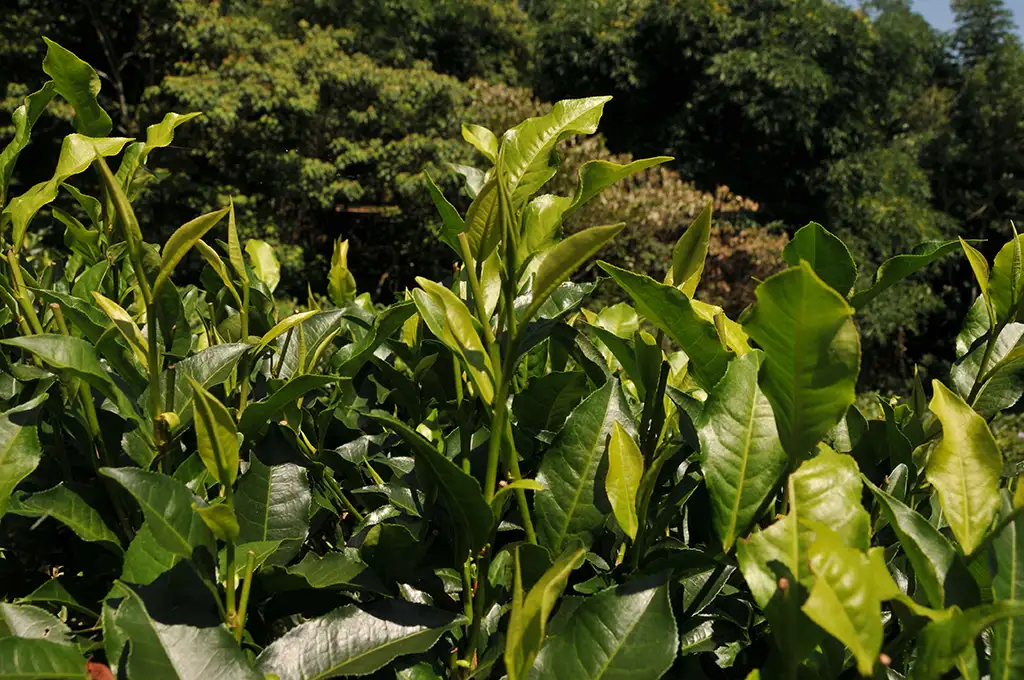
The tea trees used for Taiwanese white tea differ significantly from those in China. Chinese white tea primarily uses Fuding Da Hao, Fuan Da Bai, and Jianyang Shuixian. Taiwanese white tea features a wide variety of cultivars, including Qingxin Oolong, JinXuan, Qingxin Ganzai, Baimao Hou (White-Haired Monkey), Manzhong, TTES No. 8 (Assam), Ruby, TTES No. 21 (Hongyun), TTES No. 25 (Ziyun), and Taiwan Wild Mountain Tea, among others.
Transformations of Taiwanese White Tea
Aside from different tea tree cultivars, white tea production methods have also evolved in Taiwan. For instance, Pinglin tea farmers use fresh leaves bitten by green leaf hoppers to create “Honey-Scented White Tea by Leafhopper Bites,” while some farmers use Winter Sprout Oolong leaves to make “Winter Sprout White Tea.” There is also “High Mountain White Tea” grown at elevations above 1,600 meters. Additionally, Taiwanese white tea made from the recently introduced cultivar TTES No. 25 (Ziyun) is quite unique: the tea liquor appears pale purple, and if lemon juice is added, it turns pink—making it a very special variant of white tea.
Taiwanese White Tea Q&A
Does Taiwan produce white tea?
Yes, Taiwan had production and significant export records of white tea as early as the 1960s. However, after the rise of Oolong tea in the 1980s, white tea production gradually declined, though small-scale production has continuously been maintained in Pinglin and Sanxia, New Taipei City.
Why is white tea called white tea?
It is mainly because the surfaces of the harvested tender buds and leaves are covered with a layer of white downy hair, making the tea leaves appear white or silvery-white. This is how white tea got its name.
What does white tea taste like?
The taste of white tea is typically described as light, refreshing, and sweet, offering a uniquely soft and pure flavor. Additionally, as the aging time increases, the taste gradually develops into a richer, more mellow flavor.