
In recent years, white tea has been steadily gaining popularity in Taiwan, though its production volume remains quite small compared to Oolong and black tea. Steady production comes from Pinglin District in New Taipei City, along with Zhushan, Mingjian, Zhongpu, and Yuchi in Nantou, while high-mountain tea regions like ShanLinXi, Lishan, Cuifeng, and Alishan produce small quantities. Overall, Taiwanese white tea production is primarily concentrated in mid-to-low altitude tea regions:
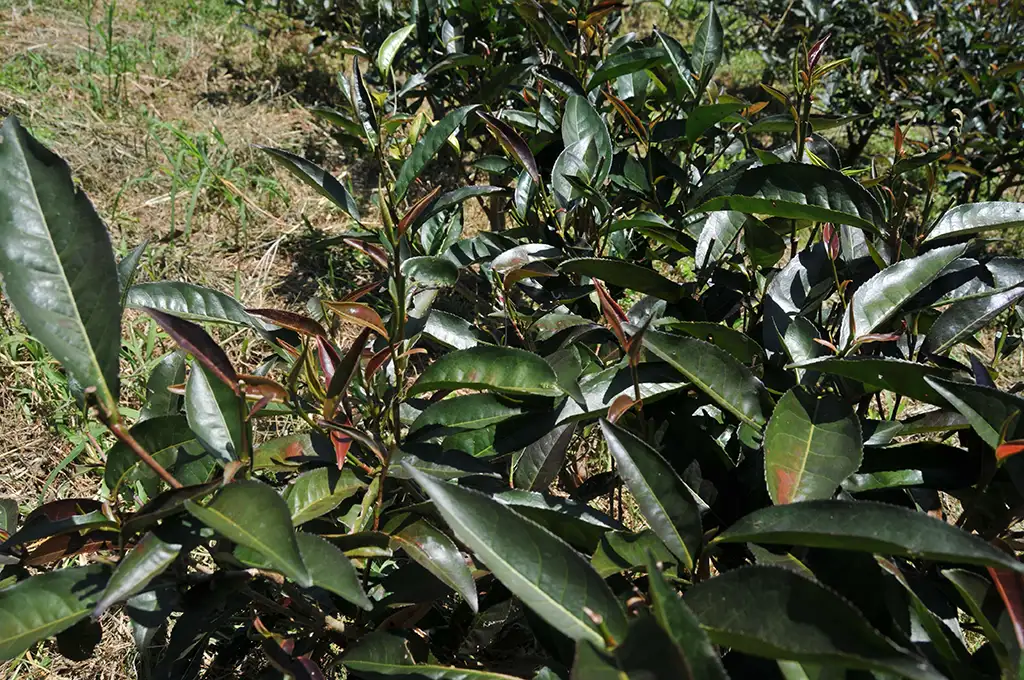
Taiwan White Tea Origins
- New Taipei Pinglin Tea Region: The primary tea tree variety is Qingxin Oolong, processed into grades such as White Peony or Gongmei. Since Pinglin is already a major production area for Oriental Beauty, some tea farmers harvest jiao-xian tea leaves to craft “Bitten White Tea.” Additionally, white tea is made from two other tea tree varieties: White Monkey and Manzhong.
- Zhushan, Mingjian, and Zhongpu: Common varieties include Qingxin Oolong, JinXuan, and Sijichun, crafted into White Peony and Gongmei grades. In recent years, “Purple Bud White Tea” made from TTES No. 25 Ziyun has also emerged; it brews into a purple liquor that turns pink when lemon juice is added, making it quite unique.
- Yuchi, Nantou: Common varieties include TTES No. 8 Assam, TTES No. 18 Ruby, TTES No. 21 Hongyun, and Taiwanese wild mountain tea, mostly large-leaf varieties processed into White Peony or Gongmei. As the area is primarily a black tea production hub—where spring and winter leaves yield lower-quality black tea—many people turn them into white tea. Assam white tea, Ruby white tea, Hongyun white tea, and mountain tea white tea are all produced here, and Ziyun white tea has also been seen.
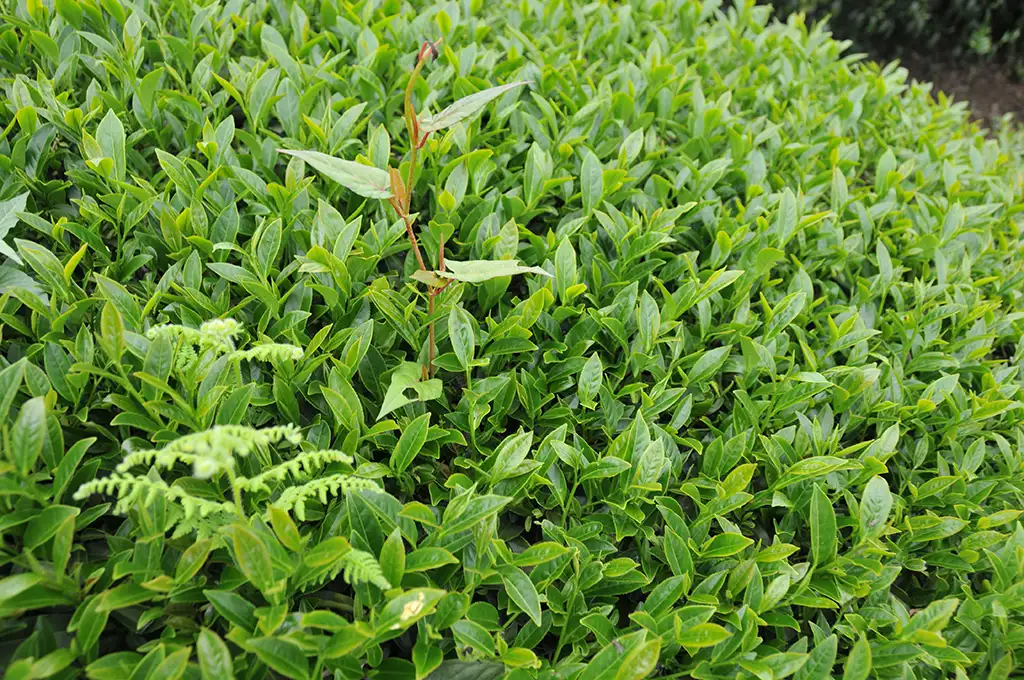
- Mid-elevation tea regions: In recent years, the production of white tea has been on the rise in the mid-elevation regions of ShanLinXi and Alishan. The tea plant varieties are predominantly Qingxin Oolong and JinXuan, with small amounts of Ruby, Qinyu, and Sijichun. These are crafted into grades such as Bai Mudan or Gongmei.
- High-elevation tea regions: In recent years, white tea has also been produced in high-elevation regions above 1,600 meters. The variety is almost exclusively Qingxin Oolong, and the harvesting season is mostly Ershui tea (late autumn tea) or summer tea, crafted into grades like Bai Mudan or Gongmei. Having tried exceptional 3-year-aged Cuifeng white tea, its aroma is delicate and elegant.
The Gradually Growing Trend of Taiwanese White Tea
The above are the primary origins of Taiwanese white tea in recent years, with additional production in Shiding, New Taipei City, Sanxia, Dongshan in Yilan, and Xinyi in Nantou. Aside from the Yuchi area, most production utilizes small-leaf varieties. The production volume of white tea in Taiwan has been increasing year by year, and it may well have the potential to become another representative Taiwanese tea alongside Oolong.