
A tea lover writes in: I forgot about some tea I bought a few years ago tucked away in a corner of the warehouse. It’s been over two years now, but the tea is vacuum-sealed and has never been opened. Does this mean the tea has expired? The batch is of very high quality and I’d hate to throw it away—how can I tell if the tea has gone bad?
Liao Chang-Xing Tea Response: Do tea leaves expire?
Tea doesn’t develop a blatant “expiration date” like certain other foods, but that doesn’t mean it can be kept indefinitely. The quality of tea will still gradually decline over time, especially under poor storage conditions. So, the short answer is “yes,” tea leaves do have an expiration issue. Generally speaking, unopened tea stored properly in a vacuum-sealed package has a best-by period of up to 2 years. However, once opened, the shelf life is drastically shortened because moisture from the air begins to enter the leaves, compromising their original dryness.
Why Pu'er and Taiwanese aged tea can last a long time
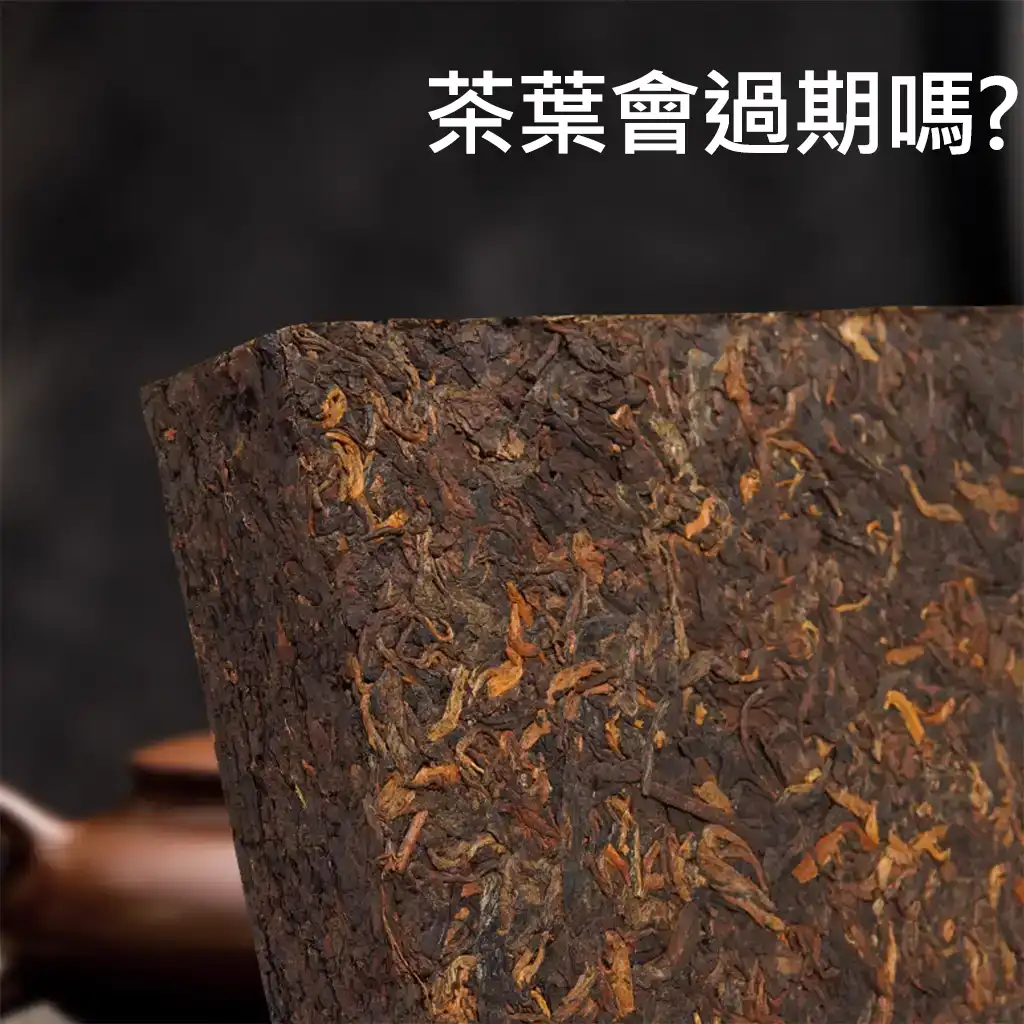
Raw Pu’er tea undergoes natural fermentation, and the activity of enzymes and microorganisms within the leaves alters their chemical composition. This fermentation causes the flavor of Pu’er tea to continuously change while making it less prone to spoiling. However, that doesn’t mean Pu’er is completely immune to going bad; if the storage environment is poor, Pu’er will spoil just like anything else. There’s a reason why Taiwanese people used to jokingly call Pu’er “stinky-mold tea.”
As for Taiwanese aged tea, during the storage process, the tea master constantly monitors the condition of the leaves and periodically re-roasts them. This reduces the internal moisture and enzyme activity within the tea leaves, minimizing the possibility of spoilage—which is why Taiwanese aged tea can be stored for a long time.
So how do you know if the tea has gone bad?
When packaging is damaged or internal moisture is too high, tea leaves will begin to mold and spoil. You can generally tell if tea has gone bad by checking its aroma, appearance, and color. Here are two distinct signs of expired tea:
| Moisture and Mold | Dampness, mold, or insect infestation. If you spot these issues, the tea should be discarded immediately. This usually happens when the package loses its vacuum seal and lacks a desiccant inside. |
| Stale or Off Odors | If the tea smells unusual—such as musty, stale, or carrying other unpleasant scents—it indicates that the tea may have gone stale or spoiled. If brewed into a tea infusion that tastes sour or reminds you of seaweed, do not drink it. |
What can you do with expired tea leaves?
If you can’t bear to throw them away, expired tea leaves can still be put to good use in a few ways.
| Deodorizing with Expired Tea | Tea leaves have a strong ability to absorb and eliminate odors. You can place expired tea in areas with unpleasant smells—I like to put them in the fridge, shoe cabinet, and pet beds. They are fantastic for clearing out bad odors. Even in a clean home where deodorizing isn’t strictly necessary, simply leaving expired tea around provides a pleasant, aromatic effect. Open up a pack of tea and leave it in a small room; after a few days, it will be filled with a soothing tea aroma that refreshes the mind and body. |
| Fertilizer | Tea leaves can be used as a plant fertilizer to promote growth and improve soil quality. You can scatter tea leaves into the soil of your garden or potted plants, or steep them in water to use as liquid fertilizer. Rich in organic matter and minerals such as nitrogen, potassium, and calcium, tea leaves provide essential nutrients for plants while improving soil water retention and aeration. |
Conclusion: Tea leaves are just like any other food in that they can expire, go stale, or get damaged if stored improperly. If you find that your tea has expired, lost its flavor, or molded, it is best to skip drinking it to safeguard your health.