Difference Between Oolong Tea and Green Tea: Understanding Processing and Fermentation

Both oolong tea and green tea are common in Taiwan, but they have significant differences in their production processes and oxidation levels. These differences not only affect their appearance but also give each its own unique characteristics in flavor and taste.

Difference between oolong tea and green tea

Difference Between Oolong and Green Tea - Oxidation Levels

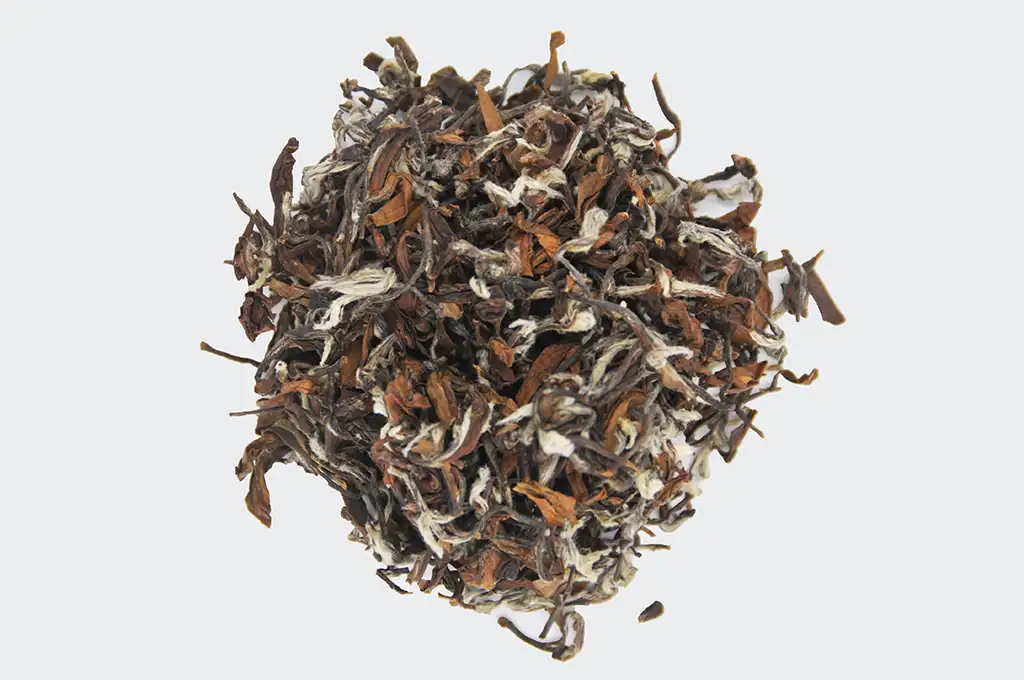
Oolong Tea: Belongs to semi-oxidized teas, with oxidation levels in Taiwan ranging from 8% to 90%. This wide range results in a diverse variety of oolong teas, from lightly oxidized Pouchong tea to heavily oxidized Oriental Beauty. The image above shows Oriental Beauty tea, which has the highest oxidation level.

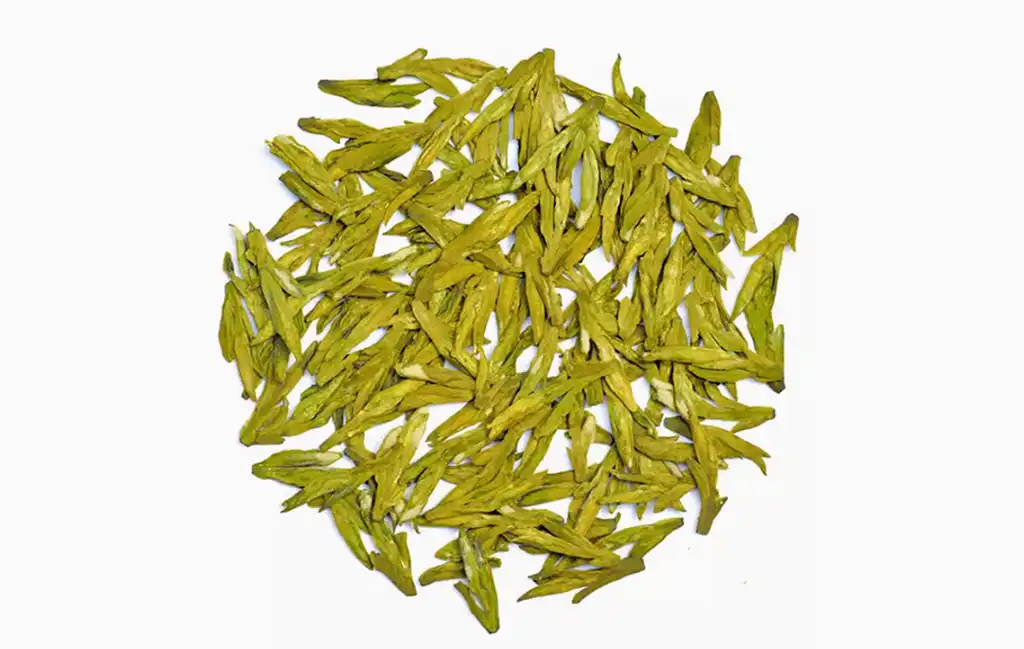
Green Tea: Belongs to unoxidized teas, typically with an oxidation level below 5%. Since it undergoes almost no oxidation, green tea retains more of the tea leaves’ natural aroma and fresh taste. The image below shows Longjing green tea.

Difference between oolong tea and green tea

Differences in Production Processes

The green tea production process follows these steps: Plucking, fixing (kill-green), rolling, and drying.
After harvesting, green tea goes straight to the fixing stage, bypassing the withering and oxidation processes, thereby maintaining the vibrant green color and fresh fragrance of the leaves.

The oolong tea production process follows these steps: Plucking, withering, tossing (shaking), fixing, rolling, and drying.
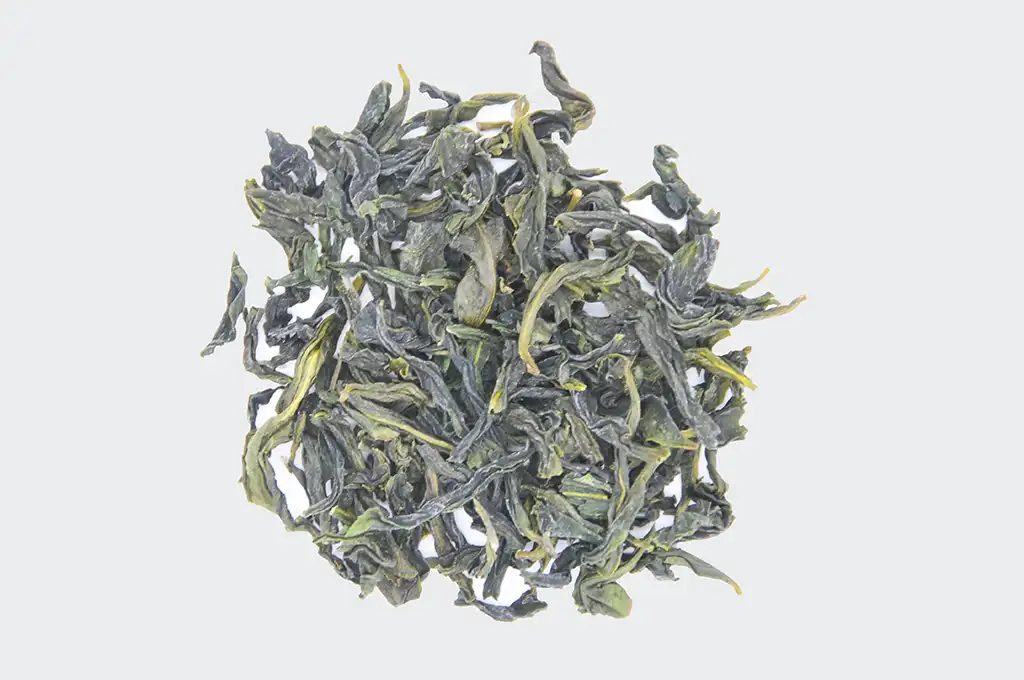
During production, oolong tea undergoes withering and tossing. These two steps promote the partial oxidation of the tea leaves, giving oolong tea its unique flavor profile. Different types of oolong tea have varying oxidation levels ranging from 8% to 90%, which determine the diversity of their flavors and aromas. The image below shows Pouchong tea, which has the lightest oxidation.

Difference between oolong tea and green tea

Differences in Color and Flavor

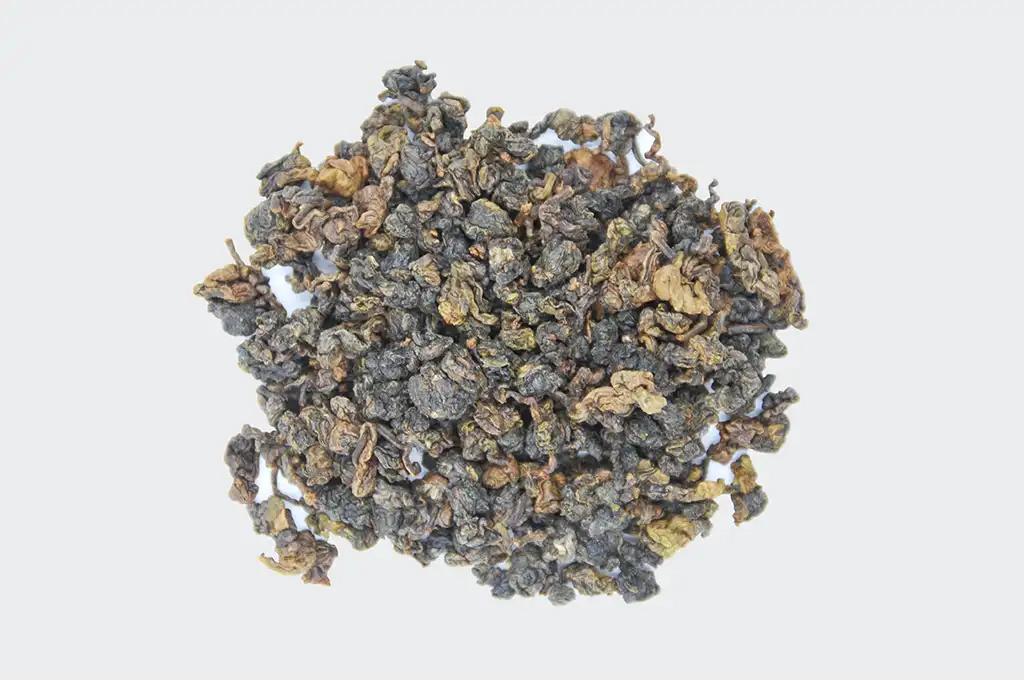
Using color to distinguish between green tea and oolong tea is not always accurate. Due to the wide range of oxidation levels in oolong tea, its color can range from a light green close to green tea to a deep red close to black tea. Lightly oxidized Pouchong tea is similar in color to green tea, while heavily oxidized Oriental Beauty and Red Oolong are closer in color to black tea. The image below shows Red Oolong tea.

Difference between oolong tea and green tea

Green tea and oolong tea have distinct differences in their production processes and oxidation levels. Green tea is unoxidized, preserving the natural aroma and fresh flavor of the tea leaves. Oolong tea, on the other hand, is partially oxidized, involves a more complex production process, and offers a wide variety of flavors and aromas.

Shopping Cart