
Is Dahongpao black tea or green tea? This question is actually a bit misleading, because Dahongpao does not refer to a specific category of tea, but rather to a tea plant cultivar. Theoretically, Dahongpao tea plants can be processed into black tea, green tea, oolong tea, and even white tea or Pu-erh tea. However, due to the inherent characteristics of the Dahongpao variety, it is most commonly used to make Wuyi rock tea (Wuyi Yancha). Since Wuyi rock tea belongs to the oolong tea category, “the vast majority of Dahongpao is oolong tea.”
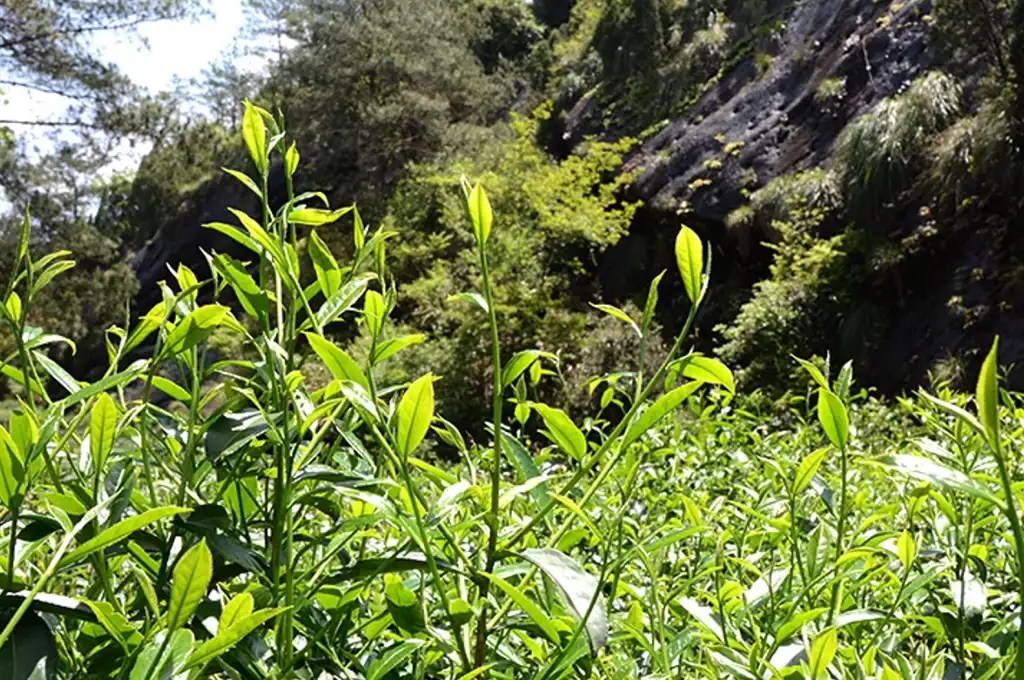
Is it black tea or green tea? What kind of tea is Dahongpao?
Dahongpao is an ancient tea tree variety originating from the Wuyi Mountains in Fujian Province, China. Discovered on the cliffside of Jiulongke in the Wuyi Mountains, there are only 6 original trees left. These ancient trees have been listed as nationally protected plants and harvesting from them is strictly prohibited. However, cutting propagation had already taken place prior to this, and today Dahongpao tea plants are widely cultivated throughout the Wuyi Mountain region, ranking among the top three local tea cultivars.
Dahongpao tea has a rich aroma and a mellow taste. Grown alongside rocks, it develops a unique “rock rhyme” (yan yun). Therefore, it is most commonly crafted into partially fermented tea, specifically Wuyi rock tea, which maximizes its fragrance and flavor profile. As a result, the vast majority of Dahongpao on the market is processed into oolong tea, while black, green, and Pu-erh variations do exist, though in very small quantities.
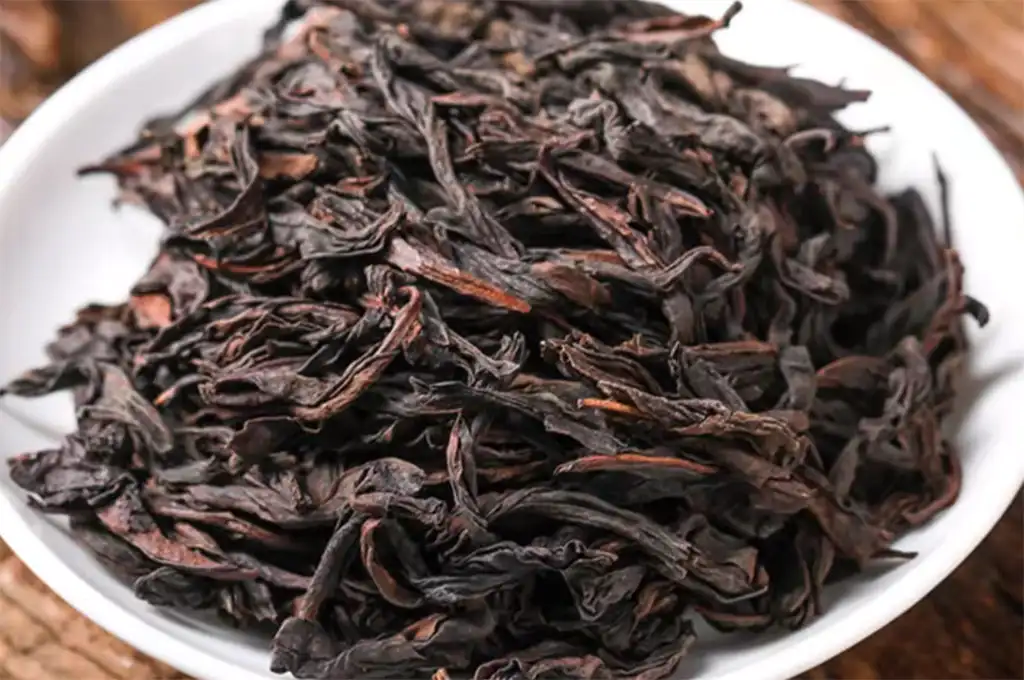
How to tell if Dahongpao is black, green, or oolong tea?
If Dahongpao leaves undergo fixing (kill-green) directly after harvesting, followed by rolling and drying, the resulting tea is green tea. If the leaves go through withering before fixing, rolling, and drying, it becomes oolong tea. If fixing is skipped and the leaves instead undergo withering, rolling, and fermentation, it is classified as black tea. In reality, however, Dahongpao is almost exclusively used to make oolong tea.
Characteristics and Production Status of Dahongpao
Most Dahongpao is made into Wuyi rock tea, characterized by a complex, multi-layered aroma commonly featuring floral, fruity, woody, and roast notes, with osmanthus and orchid fragrances being particularly prominent. The tea liquor is amber or orange-yellow, offering a smooth entry, a mellow taste, a lingering sweet aftertaste, and a distinct throat finish.
Currently, all Dahongpao is propagated from the 6 original mother bushes in Wuyishan and is primarily cultivated in the Wuyi region for making Wuyi rock tea. Although production has increased in recent years, counterfeit Dahongpao products still exist, so consumers should carefully choose reliable purchasing channels to ensure they get authentic Dahongpao tea. Additionally, due to legal restrictions, Taiwan currently cannot import Dahongpao from mainland China, and only small quantities brought in personally by travelers can be found on the market, so special attention should be paid when purchasing.
Read More:
- How to Brew Wuyi Rougui Tea: Key Tips for Brewing Rougui Tea
- Is Shuixian Tea a Green Tea? What Kind of Tea Is Shuixian?
- What Are the Differences Between Shuixian, Rougui, and Dahongpao in Wuyi Rock Teas?
- What Type of Tea Is Dahongpao? Is It Black, Green, or Oolong Tea?
- Where to Buy Dahongpao Tea? Is Dahongpao Produced in Taiwan?
- What Category of Tea Does Wuyi Rock Tea Belong To? Is It Pu-erh Tea?