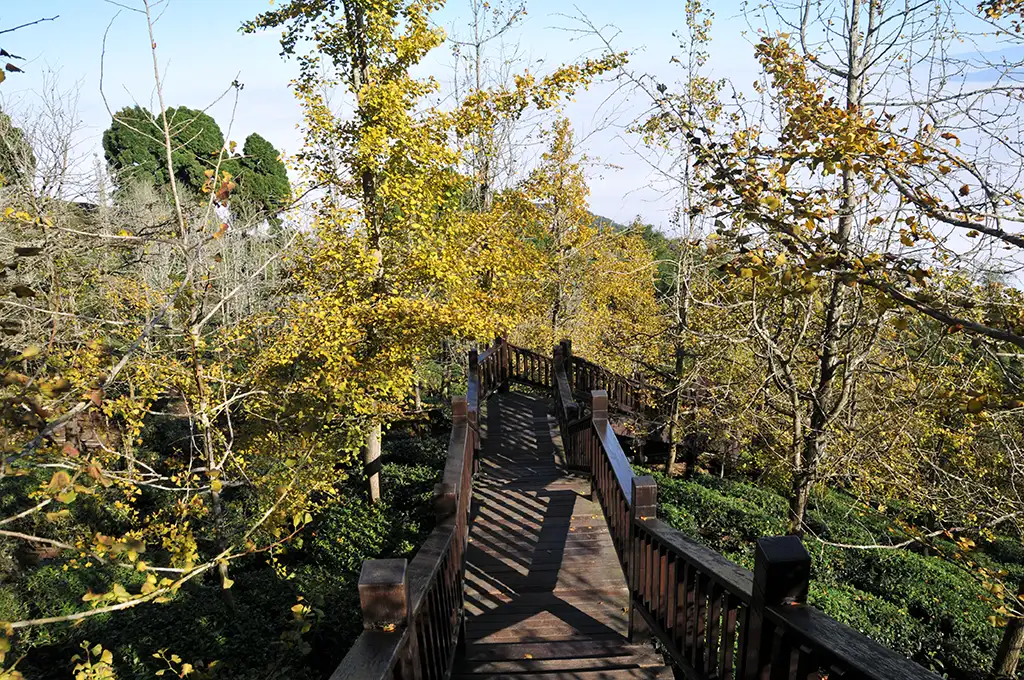
Dalunshan Tea: From the Instagram-Famous Ginkgo Forest Tea Region

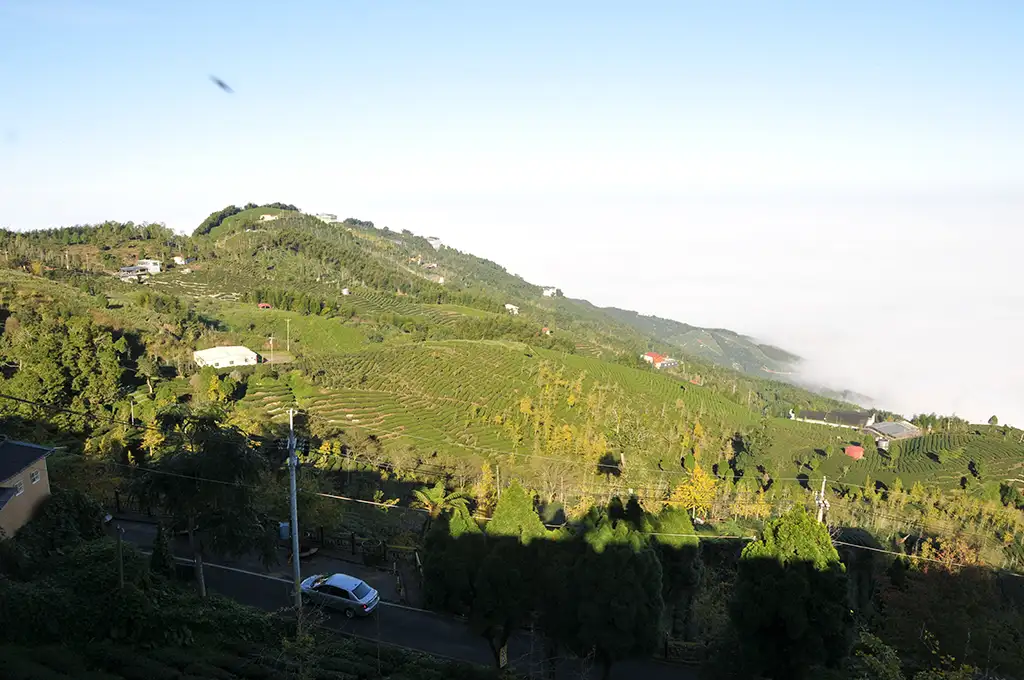
Dalunshan tea is produced in Lugu Township, Nantou County, home to the famous Ginkgo Forest attraction. The tea plant varieties are predominantly Qingxin Oolong, alongside newer varieties such as JinXuan, Yingxiang, and CuiYu. It is mainly crafted into lightly fermented oolong tea, as well as heavily fermented oolong, black tea, green tea, and Dong Ding-style roasted tea.

Dalunshan Tea

Origin Characteristics and Advantages of Dalunshan Tea

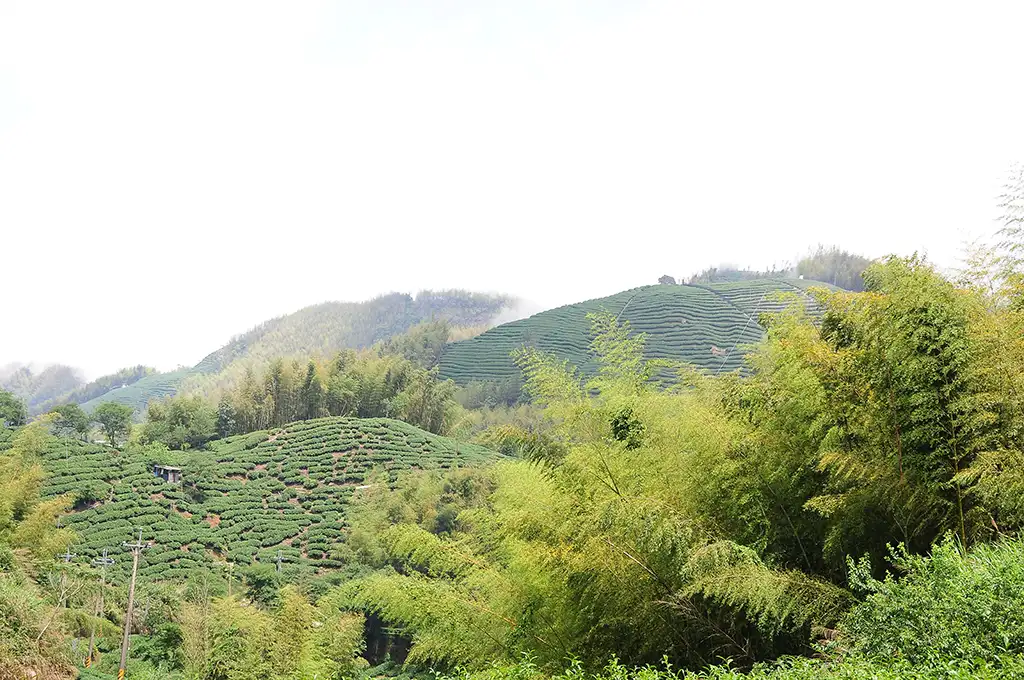
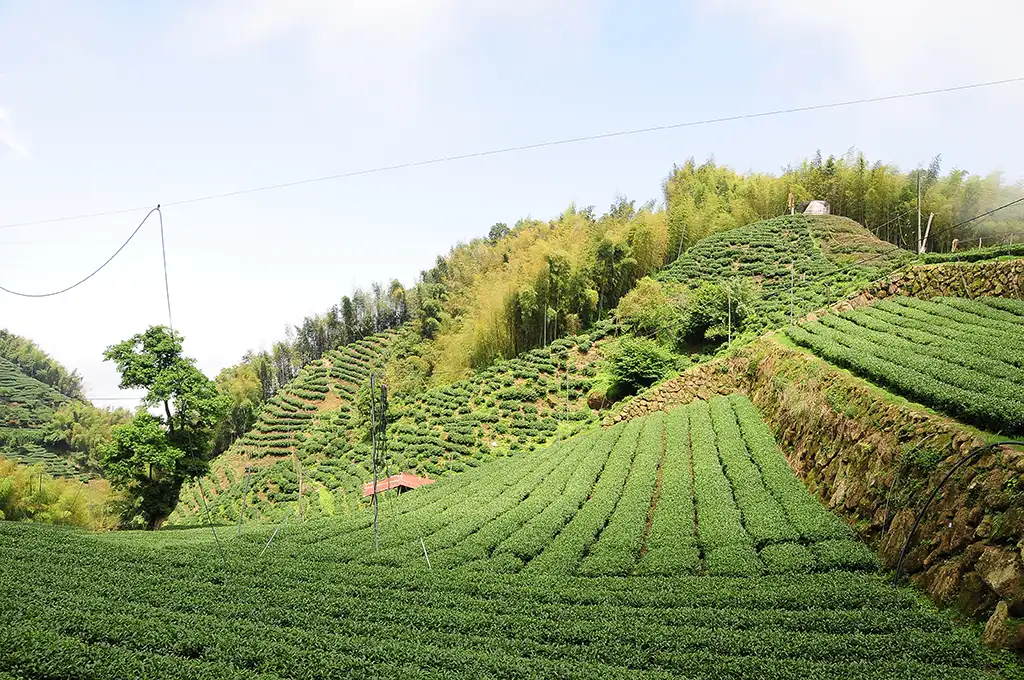
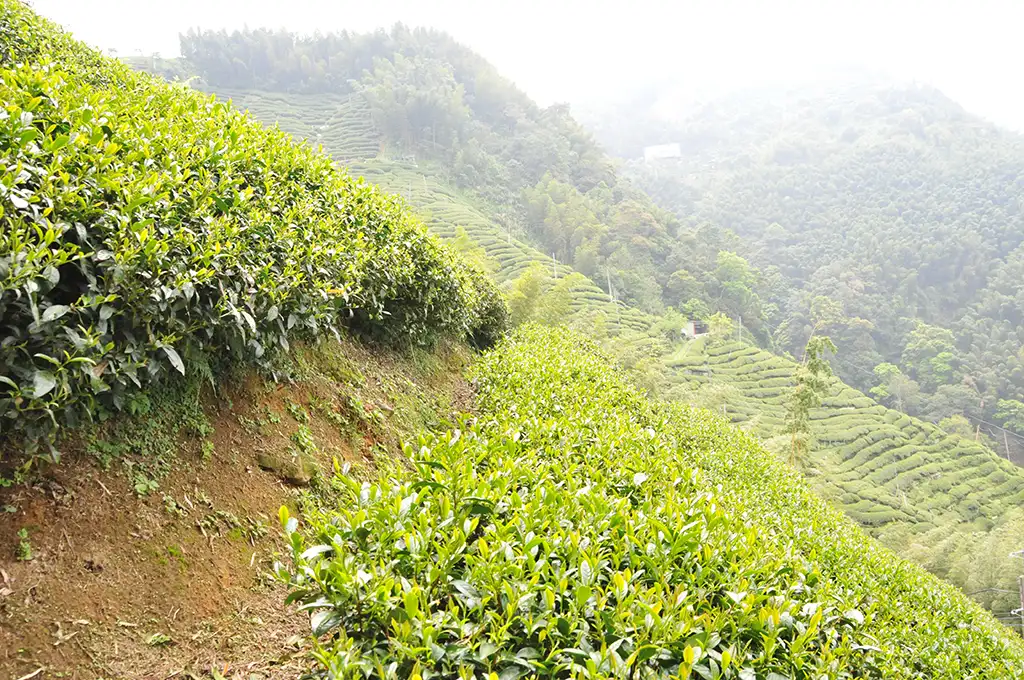
Dalunshan tea gardens are situated at altitudes between 1,250 and 1,500 meters. In the past, this area was mostly bamboo forest, which was gradually replanted with tea trees after 1990. After 2005, for soil and water conservation purposes, ginkgo trees were interplanted in the tea gardens, transforming it into a popular instagrammable tea garden scenic area. The high mountain environment here is favorable, and with favorable weather, it consistently produces high-quality tea. Because Dalunshan is close to the LongFengXia tea district, the flavor profile of its mountain leaves is very similar, and much of the high-quality Dalunshan tea is often sold as LongFengXia tea.

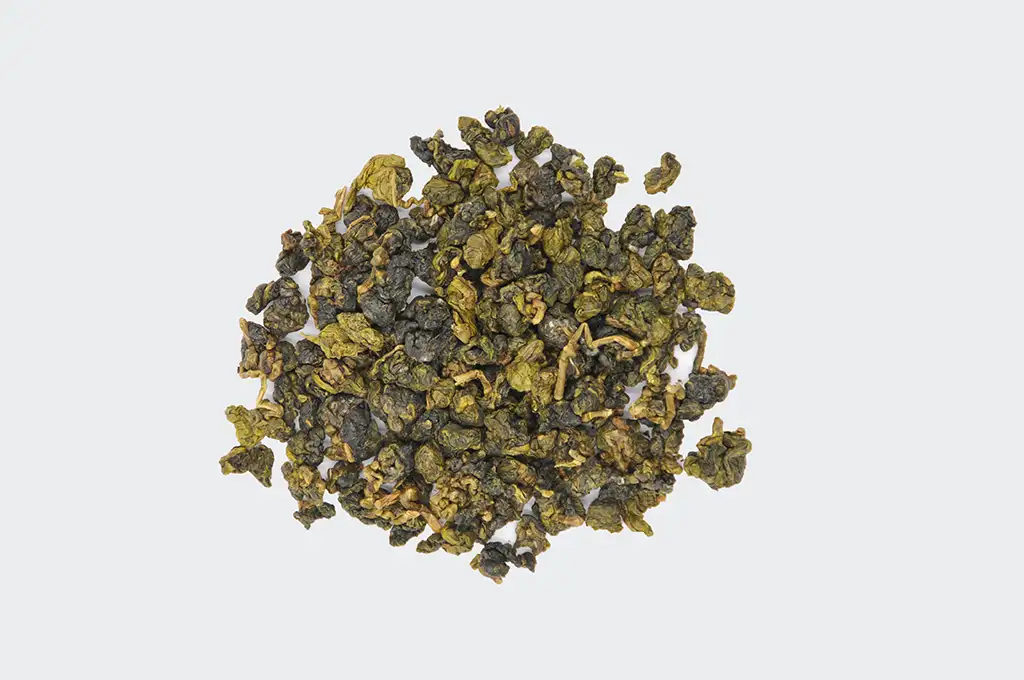
Dalunshan Tea

Market Price of Dalunshan Tea

Because Dalunshan is a tourist attraction itself and sits near the high-priced LongFengXia tea-producing region, the retail price of Dalunshan tea is somewhat higher than teas from the same altitude. Spring and winter teas retail between NT$1,600 and NT$2,200 per 600 g, while autumn tea ranges from NT$900 to NT$1,400 per 600 g. Spring and winter teas from newer tea plant varieties generally retail between NT$700 and NT$1,200 per 600 g.

Liao Chang Xing's Review of Dalunshan Tea

Overall rating: 65 points, ceiling: 75 points. Water scarcity is an issue in the high mountains, and many tea gardens lack irrigation facilities, which negatively impacts quality. Prices around popular tourist spots are relatively high. When purchasing tea, it is advisable to first look for newly developed tea gardens in more remote areas, as these tend to have better advantages in terms of irrigation water, tea leaf quality, and pricing.

Shopping Cart