Cuiluan Tea: The Largest Tea-Producing Region in the Back of Lishan

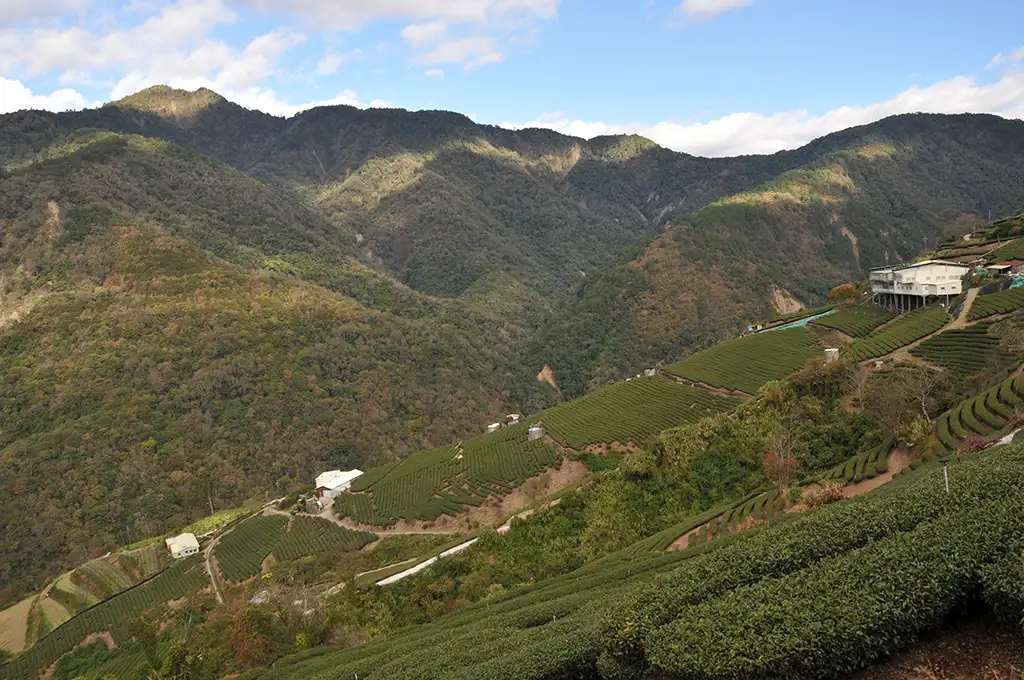
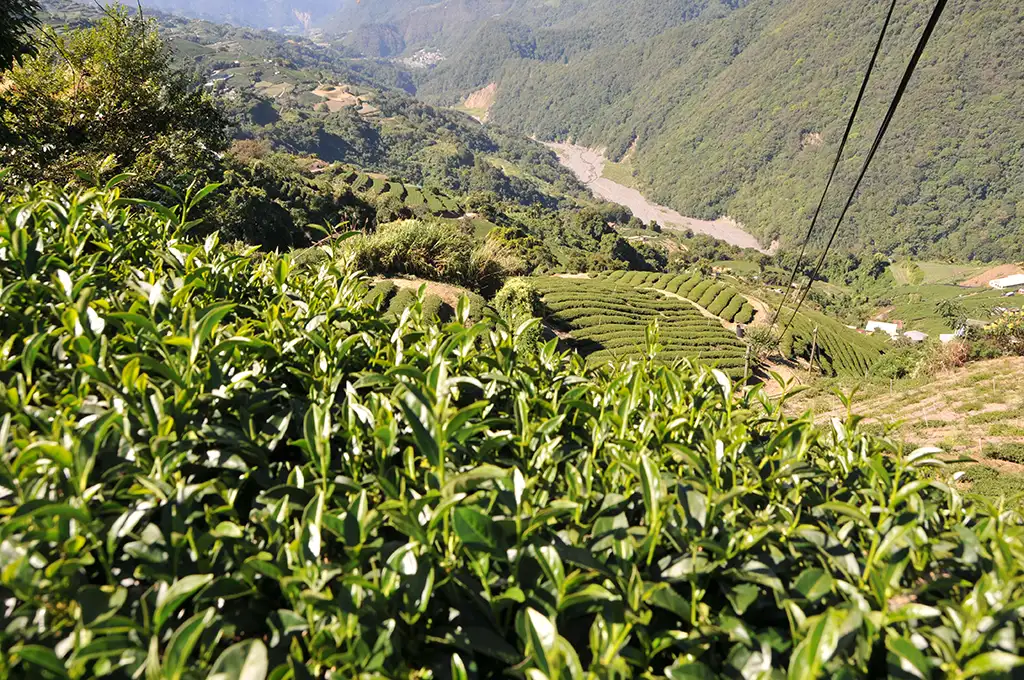
Cuiluan tea is produced in Ren’ai Township, Nantou County, centered around the Cuiluan Settlement and Maliguan, with tea gardens cultivated along Lixing Industrial Road. The high-altitude environment makes its yield and quality top-tier. The local tea is mainly processed into lightly fermented oolong, with small amounts made into black tea and heavily fermented oolong.

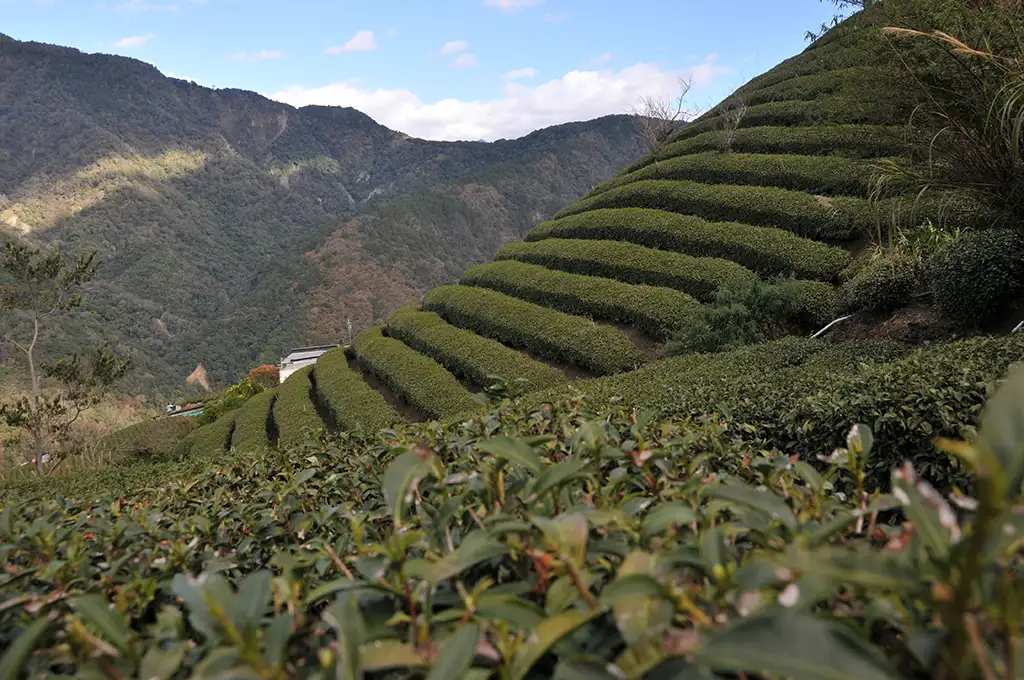
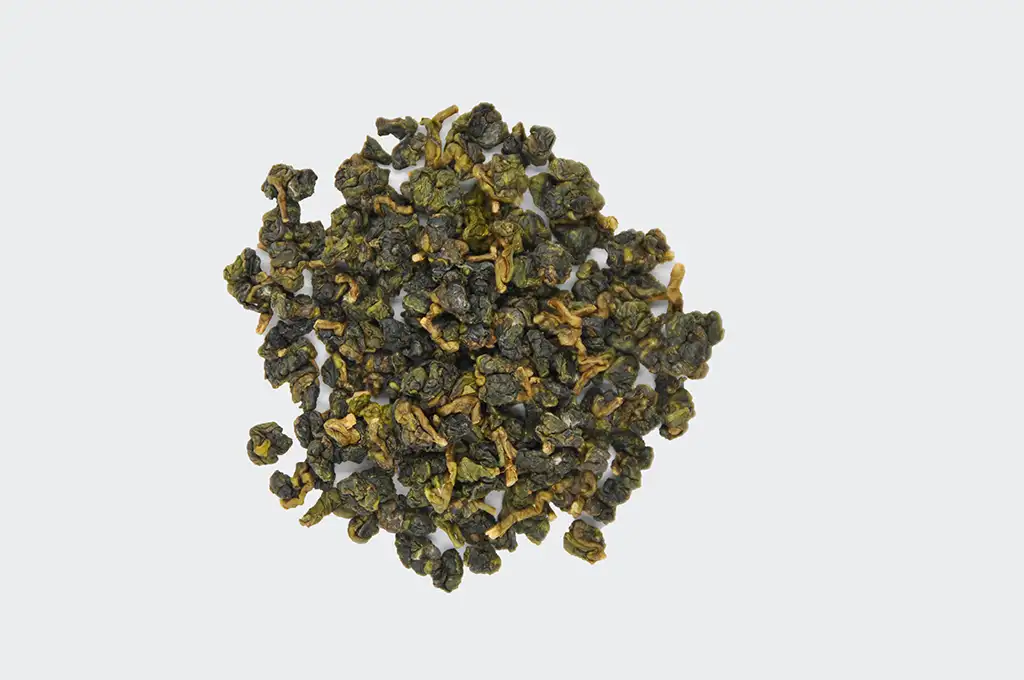
Cuiluan tea leaves

Geographical Advantages of Cuiluan Tea

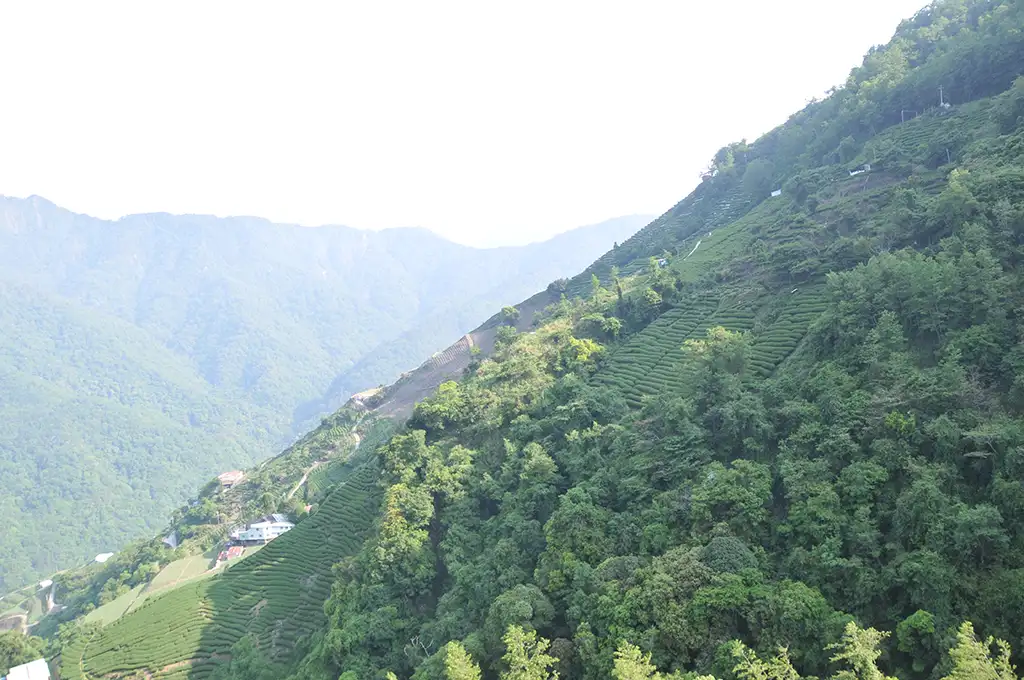
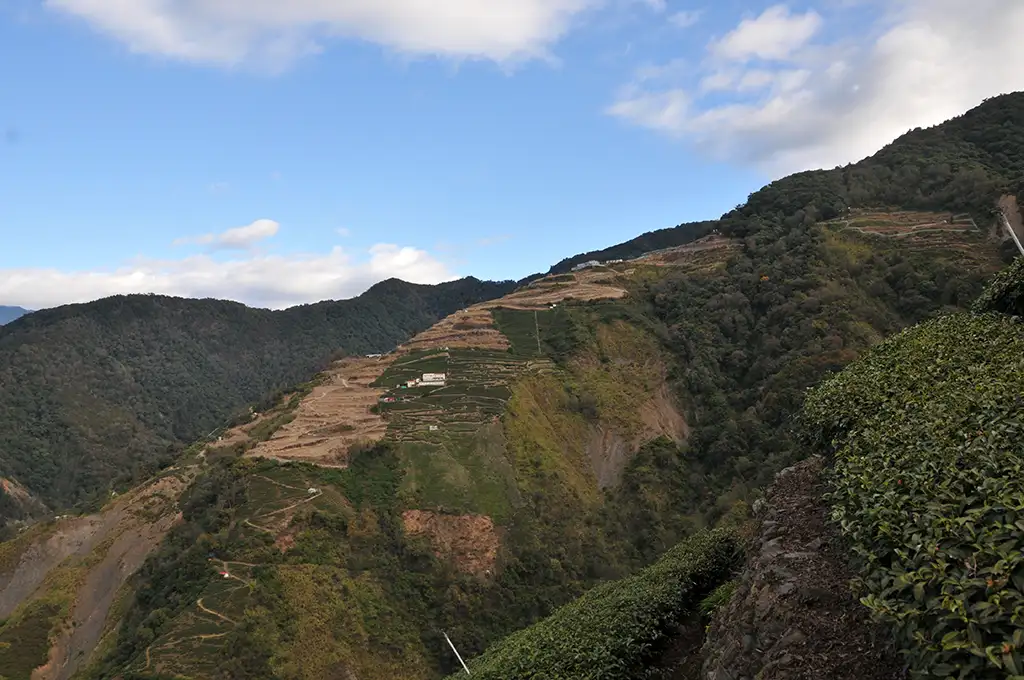
Cuiluan tea gardens are situated at altitudes between 1,400 and 2,050 meters. The unique alpine environment and fertile soil from primitive forests drive continuous improvements in tea quality year after year. Currently, Cuiluan’s production volume is nearing that of Xinjiayang on the front slope of Lishan, making it the second-largest tea-producing region in Lishan. After harvesting, much of the fresh tea leaves are transported to HuaGung and Maliguan for secondary processing, ultimately being sold under the HuaGung tea name, which keeps Cuiluan tea relatively lesser-known.

Cuiluan tea leaves

Market Price of Cuiluan Tea

Cuiluan tea is produced just below HuaGung. Although there is a 300 to 500-meter elevation difference between the two, their geographical location and aspect are similar, resulting in comparable flavor profiles. Because most Cuiluan tea is eventually sold as HuaGung tea, its price has gradually aligned with HuaGung tea as well. Retail prices for spring and winter teas range from NT$3,000 to NT$4,500 per 600 g, while autumn tea retails for NT$2,000 to NT$2,400 per 600 g.

Liao Chang Xing's Review of Cuiluan Tea

Overall rating: 75 points, with a ceiling of 90 points for this high-quality tea-producing region. As long as the tea gardens are properly managed, fertilized adequately, harvested tenderly, and picked on sunny days, the production of premium tea is almost guaranteed. One thing to note is that the region has significant elevation drops, meaning tea from lower-altitude gardens is relatively lower in quality. Additionally, there are many vegetable farms nearby, and pesticide runoff and fertilizer in the water can easily affect tea quality, so buyers should try to avoid those areas.

Shopping Cart