Taiwan High Mountain Tea Origins: 4 Major Taiwan High Mountain Tea Regions

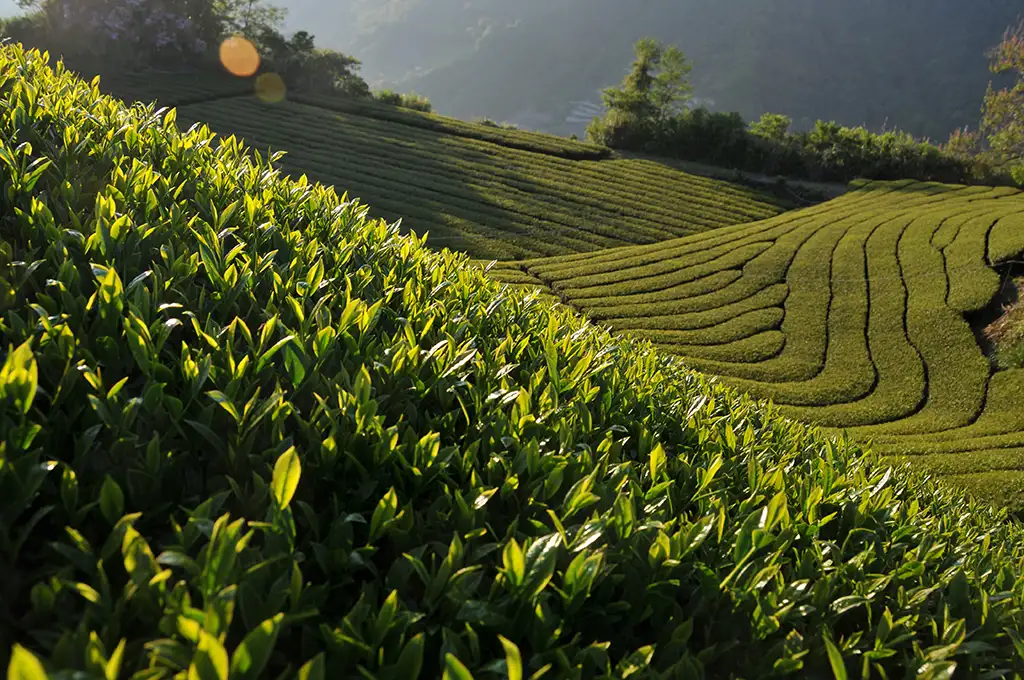
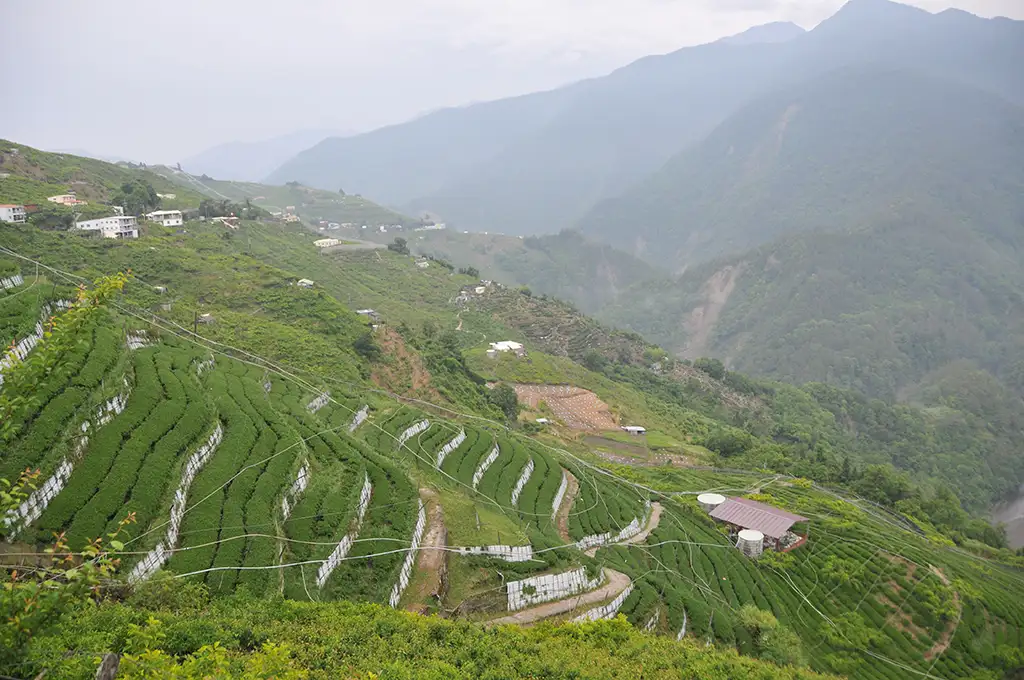
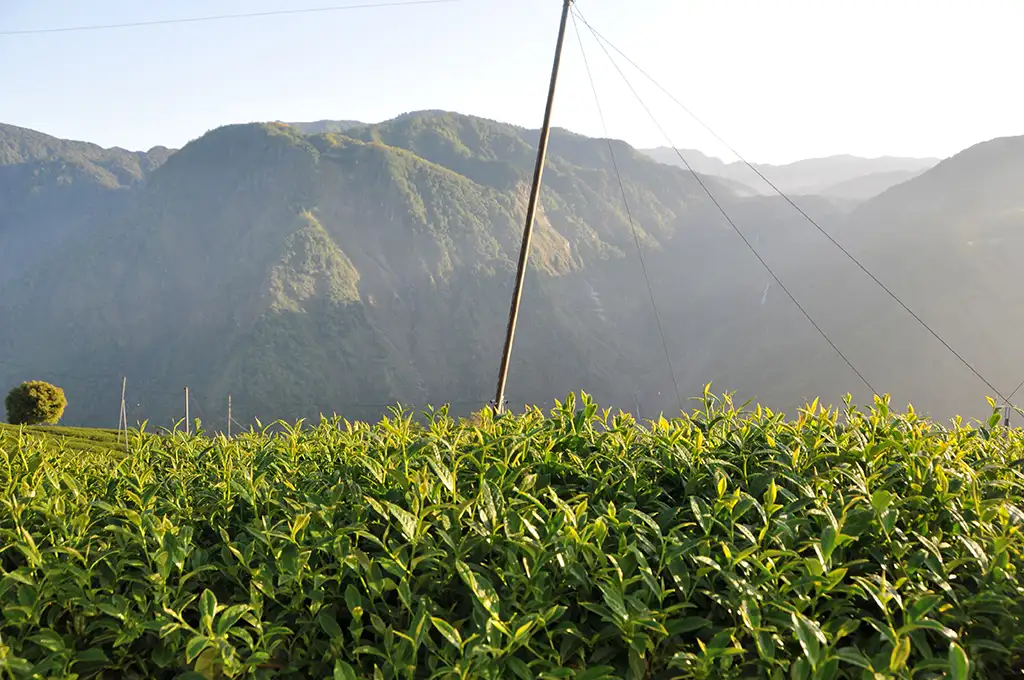
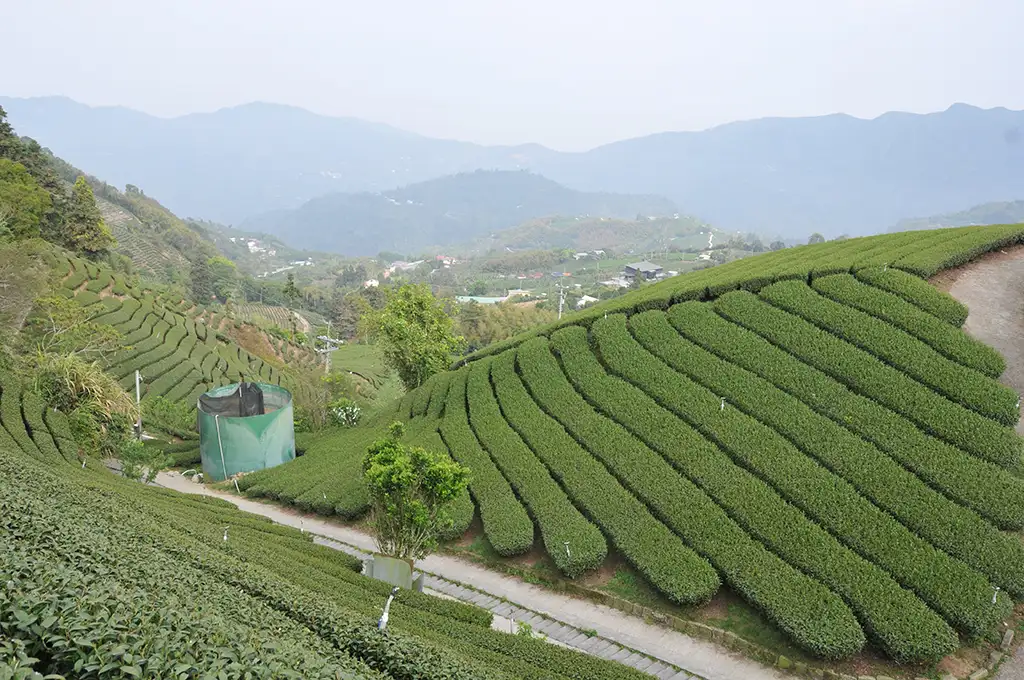
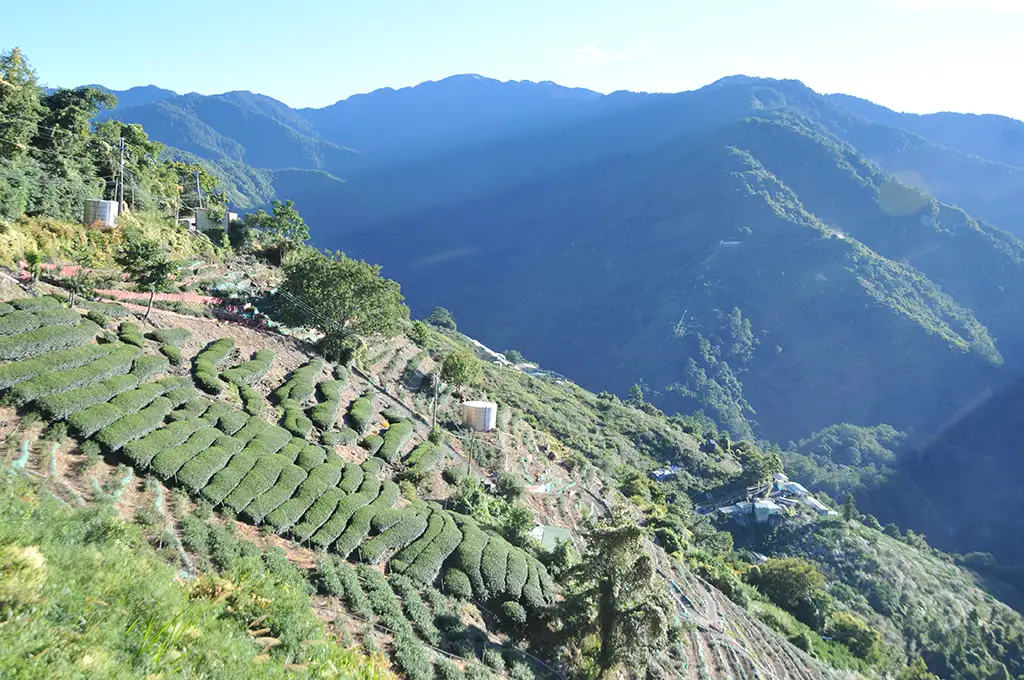
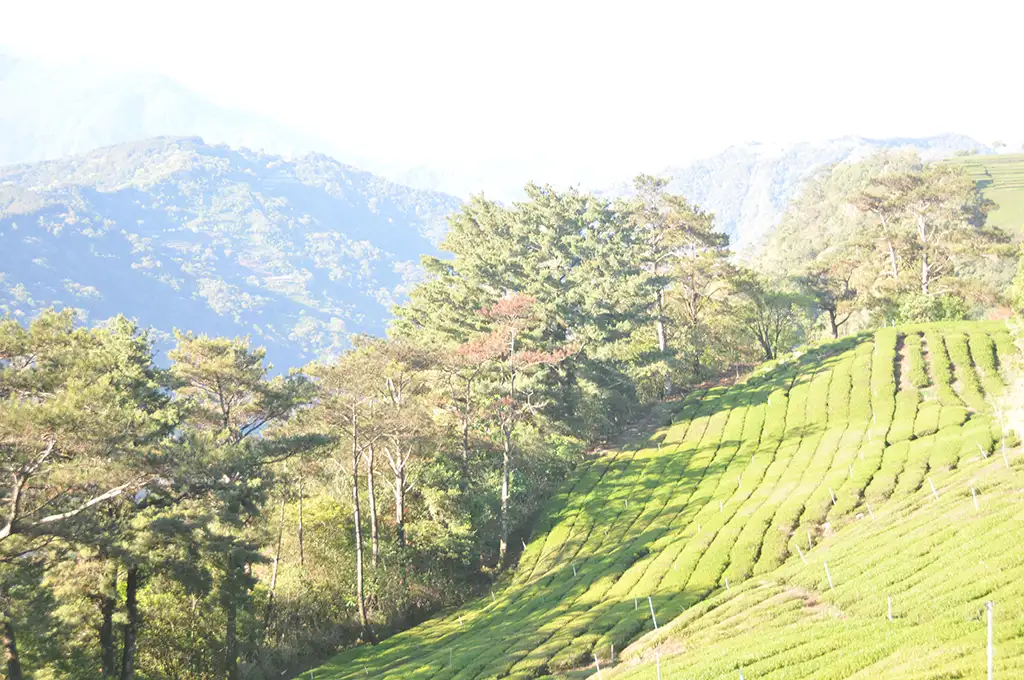
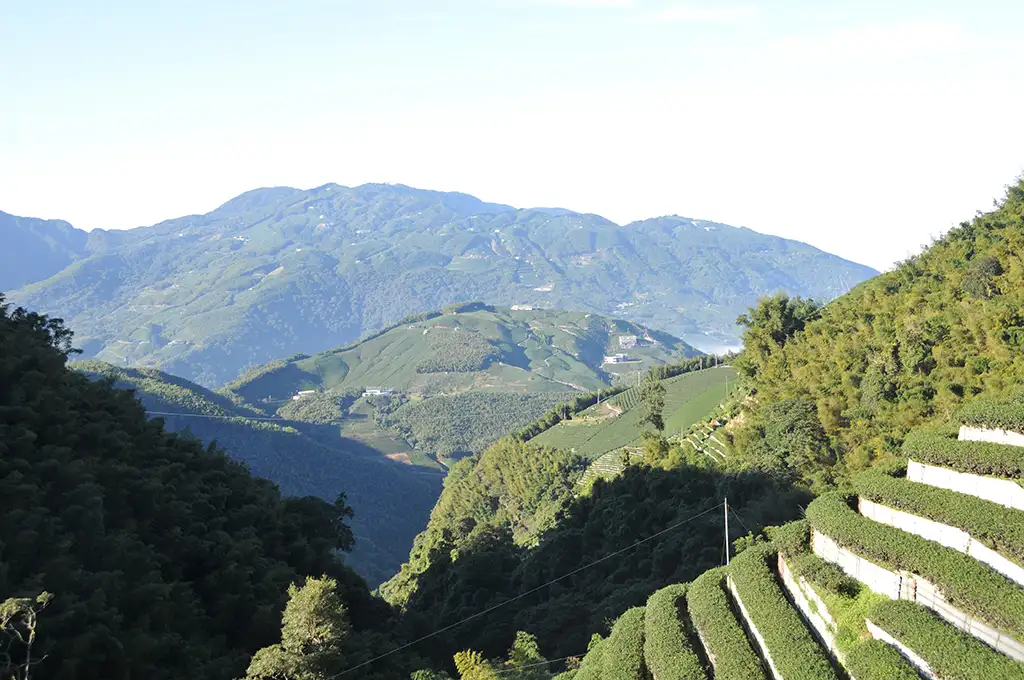
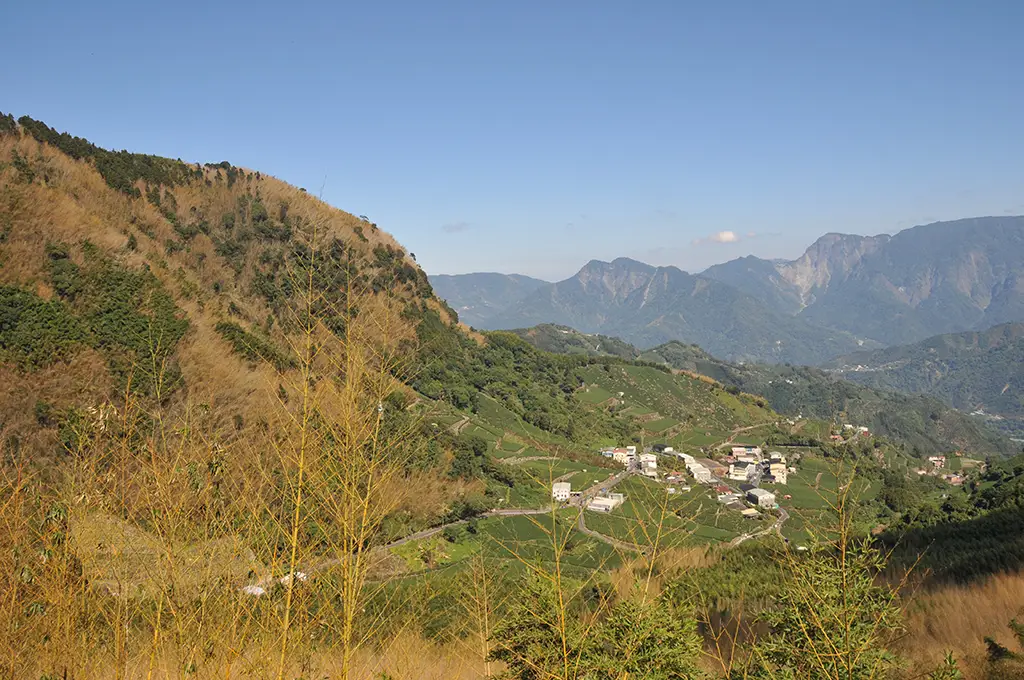
Taiwan’s high mountain tea regions are distributed across Taichung City, Nantou County, Chiayi County, Taoyuan City, and Yunlin County, with Taichung, Nantou, and Chiayi being the largest production areas. Lishan, Ren’ai Township, ShanLinXi, and Alishan are Taiwan’s four major high mountain tea regions.

Taiwan High Mountain Tea origin

The Four Major Taiwan High Mountain Tea Regions (Click image for detailed guide)

Among Taiwan’s high mountain tea regions, Lishan in Taichung City, Ren’ai Township and ShanLinXi in Nantou, and Alishan in Chiayi boast the best quality and yield.

Located in Heping District, Taichung City, centering around Fushushan Farm and expanding outward, including the Xinjiayang tea region, HuaGung tea region, Songmao Settlement, Huanshan Settlement, Pingdeng Village, and Wuling Farm. Elevations range from 1,450 meters to 2,490 meters. It is the high mountain tea region with the highest average elevation and finest quality in all of Taiwan. The primary tea tree variety is Qingxin Oolong.

Located in Ren’ai Township, Nantou County. Includes Dayuling, Biluxi, Cuiluan, Diaoqiaotou, Malieba, Cuifeng, Cingjing tea region, DongYanShan, Qilai Mountain, Datong Mountain, Lushan, and Hongxiang Settlement, with elevations ranging from 1,200 meters to 2,520 meters. This is the highest and largest-yielding high mountain tea region in Taiwan. The primary tea tree variety is Qingxin Oolong.

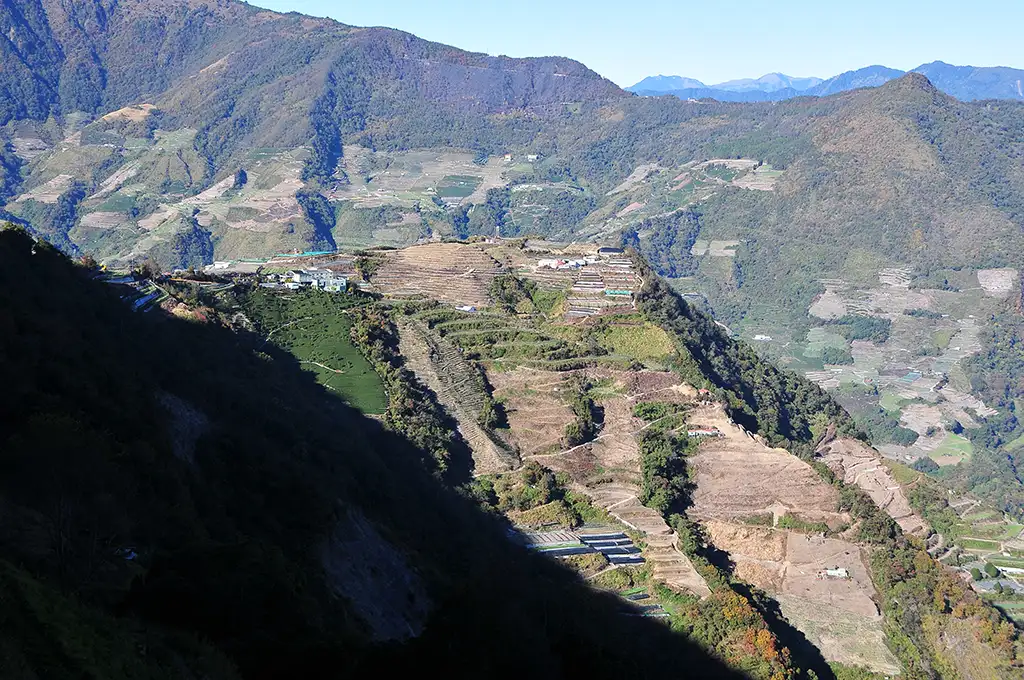
Located across Zhushan Township and Lugu Township in Nantou County, and Gukeng Township in Yunlin County, centering around the ShanLinXi Forest Recreation Area. Well-known tea regions include LongFengXia, Forget-Me-Not Forest, Fanzitian, Sansancengping, Ruan’an, Budongyu, and Yangzaiwan (Dalun Mountain). Elevations range from 800 meters to 1,950 meters, with the highest point being the Caotazai tea plantation. The primary tea tree variety is Qingxin Oolong, along with small amounts of JinXuan and Yingxiang.

Located in Zhuqi Township, Meishan Township, and Alishan Township in Chiayi County, with tea plantations cultivated along the Alishan Highway. Major tea regions include Shizhuo, Zhangshuhu, Meishan Taihe, Taixing, Taiping, Tefuye, and Xiding, with elevations ranging from 600 meters to 1,700 meters, and the highest point being Shizhuo Dinghu. The primary tea tree varieties are Qingxin Oolong and JinXuan, alongside Yingxiang, CuiYu, and Sijichun.

In addition to the four major tea regions above, Lala Mountain in Hsinchu, the Nanshan Sijih Tribe in Datong Township of Yilan, Gukeng Township in Yunlin, Liuguei in Kaohsiung, and Southern Cross-Island Highway Motianling in Taitung’s Haiduan Township also produce exceptional high mountain tea.

Taiwan High Mountain Tea Origin FAQ

Which high mountain tea region has the highest elevation?

Before 2015, the Dayuling tea region in Ren’ai Township exceeded 2,650 meters, making it the highest tea region in Taiwan. After 2015, the Dayuling tea region was phased out, and the highest region today is the HuaGung water source tea plantation.

Is there a distribution map available?

For details, please refer to the Taiwan High Mountain Tea Regions Distribution Map.

Which of the four major high mountain tea regions produces the best quality?

Lishan and Ren’ai Township have the most favorable natural conditions for growing tea. However, beyond natural conditions, tea garden management and craftsmanship are equally important, so no single region is guaranteed to have the best quality.

Shopping Cart