
Netizens on PTT are asking: What is Alishan tea? I want to buy some, but there are so many varieties I don’t know where to start. Which Alishan tea is recommended?
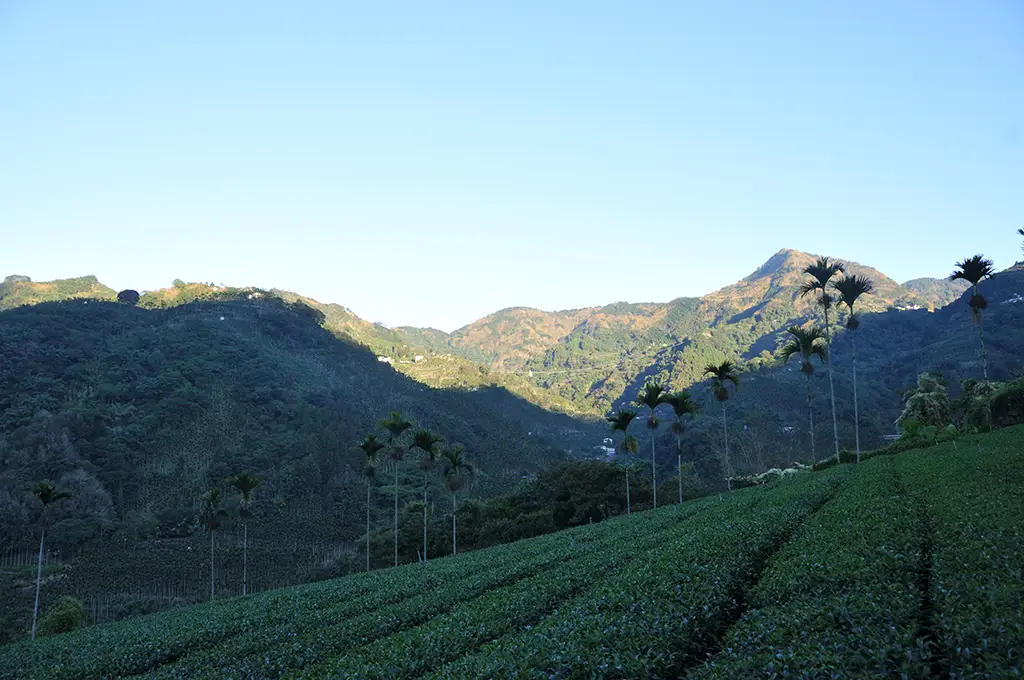
What is Alishan tea?
Alishan tea refers to tea produced in the Alishan tea region. In terms of processing, 90% of the tea is semi-fermented oolong, with some black tea also produced, along with very small amounts of green tea, white tea, and Pu-erh tea. Categorized by tea tree cultivar, over 60% is Qingxin Oolong, more than 20% is JinXuan, and the rest includes CuiYu, Yingxiang, and Sijichun, with very small amounts of Tieguanyin and Ruby. Categorized by season, spring, summer, autumn, winter teas, and Winter Sprout Oolong are all produced. Here are the varieties of Alishan tea:
| Tea Cultivars | Qingxin Oolong over 60%, JinXuan over 20%, others include CuiYu, Yingxiang, and Sijichun. Very small amounts of Tieguanyin, Ruby, etc. | |||
| Harvest Seasons | All four seasons (spring, summer, autumn, winter). Also includes Winter Sprout Oolong and Buzhichun tea. | |||
| Tea Processing | Primarily lightly fermented oolong, with black tea also common. Small amounts of green tea, white tea, and Pu-erh tea. | |||
Characteristics of Alishan Tea
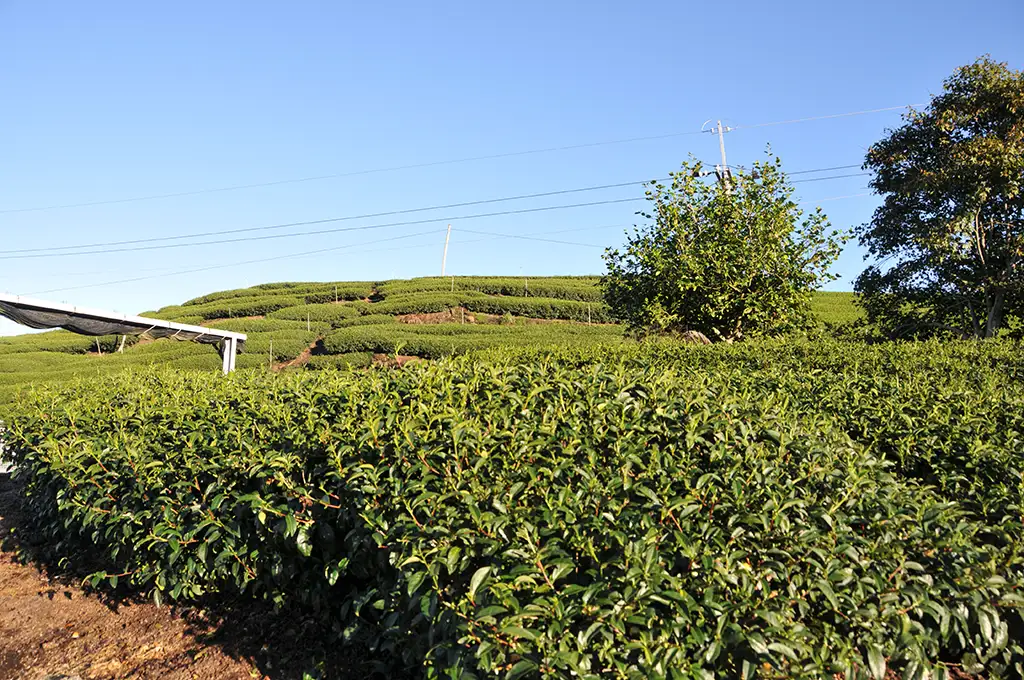
Fresh and Crisp Aroma: Alishan tea features a fresh and crisp aroma, often described as floral or fruity, captivating many tea enthusiasts.
Mellow and Smooth: The tea liquor has a rich, sweet taste with a smooth, pleasing mouthfeel.
High Mountain Environment: Grown in the high mountain environment of Alishan, the tea plants benefit from ample sunlight, crisp air, and abundant rainfall, ensuring exceptional tea quality.
Tea Competitions: Alishan tea benefits from exquisite craftsmanship, combining Taiwan’s unique tea cultivars and processing techniques to deliver high-quality leaves. Local tea competitions are held annually, where farmers compete against one another, constantly driving up the quality of the tea.
Alishan Tea Recommendations
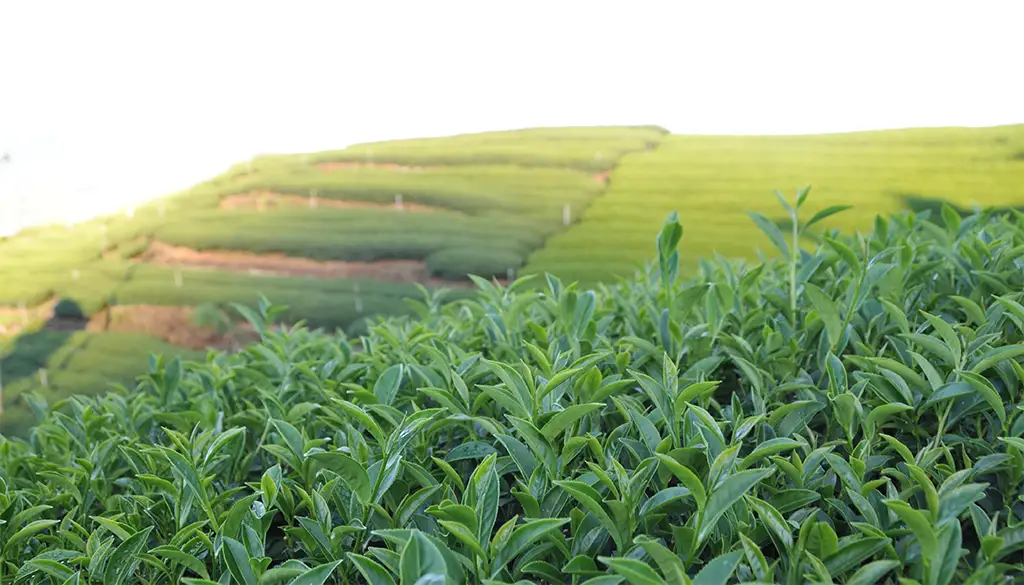
The most famous and popular option from this region is lightly fermented oolong, commonly known as “Alishan High Mountain Tea.” For gifting, competition teas from local farmers’ associations are a great choice. For personal consumption, you can start with teas from the Dinghu, Shizhuo, or Zhangshuhu tea regions based on origin pricing. If you are looking for mid-priced, high-quality options, Ruifeng tea or mid-elevation Taihe tea are great choices. These two regions have high production volumes, and with a little searching, you can find exceptional teas that rival those from Shizhuo and Zhangshuhu.
Alishan Tea FAQ
Is Alishan tea green tea?
Alishan tea refers to tea produced in the Alishan tea region. While Alishan produces oolong, green, and black teas, oolong is by far the most dominant. Its liquor color can fall somewhere between green tea and golden yellow, which often leads to it being mistaken for green tea. Green tea is produced here, but in very small quantities. The majority of Alishan tea is made as “lightly fermented oolong.”
What is Alishan High Mountain Tea?
It is processed as a “semi-fermented oolong,” but to be called Alishan High Mountain Tea, it must come from tea gardens at an altitude of 1,000 meters or above. Well-known production areas include Shizhuo, Zhangshuhu, Ruifeng, and Taihe.
What is the highest altitude for Alishan tea?
The highest is Shizhuo Dinghu at an elevation of 1,700 meters. Additionally, a small number of tea gardens in Shizhuo and Tefuye exceed 1,600 meters in altitude.
Which tea shop do you recommend?
There are many quality tea shops along the Alishan Highway where tea lovers can taste different teas and find a flavor they enjoy before buying. If you can’t find a suitable seller, you are also welcome to purchase from Liao Chang Xing.