I visited the Meishan tea region at the end of March to check on the spring harvest. Because of the lack of rain, many tea plants hadn’t sprouted, and I figured back then that the spring crop wouldn’t be very good. I went back twice in early and mid-April, and just as expected, it’s resulted in “low yields” and “few exceptional teas.” The situation is even worse than the spring harvest two years ago—this might just be the toughest season in 20 years.
Tea gardens in Meishan are mainly concentrated in Taiping Village, Bihu Village, Taixing Village, Ruifeng Village, Ruili Village, and Taihe Village.
The Taiping, Bihu, Taixing, and Ruili areas are having a really rough time. When I checked in late March, many tea trees were withered and yellow, and by April, some hadn’t even sprouted. Many tea farmers have given up on harvesting the spring crop, simply hoping the tea trees can pull through the drought. The only decent spots in this area are a handful of JinXuan tea gardens with ample irrigation; other JinXuan and Qingxin Oolong fields lacking water are in terrible shape, yielding less than half of last year’s harvest.

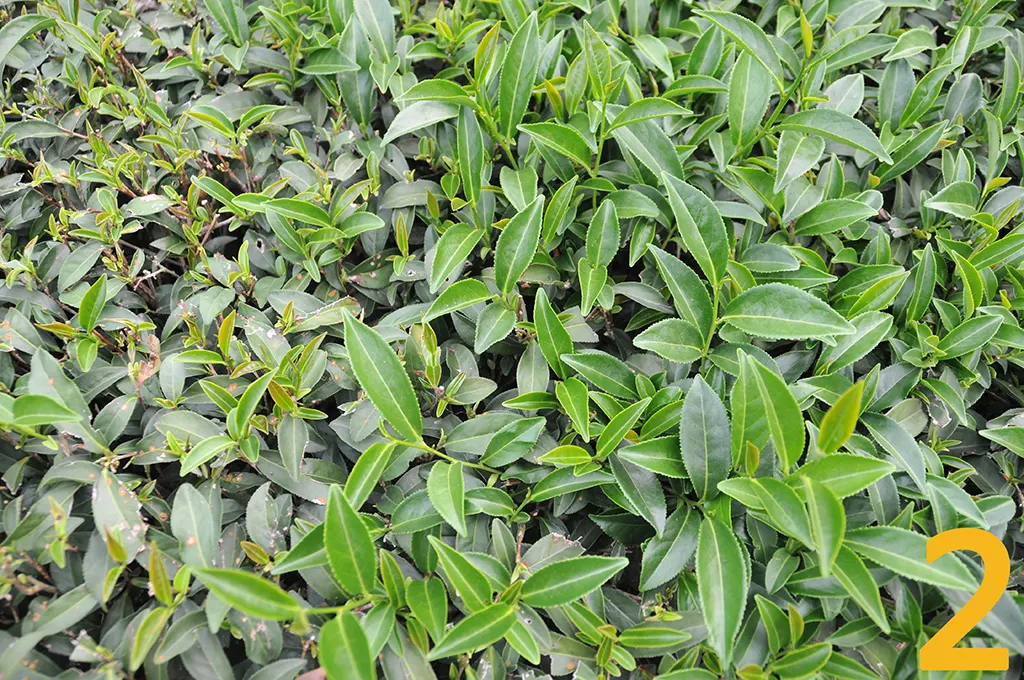
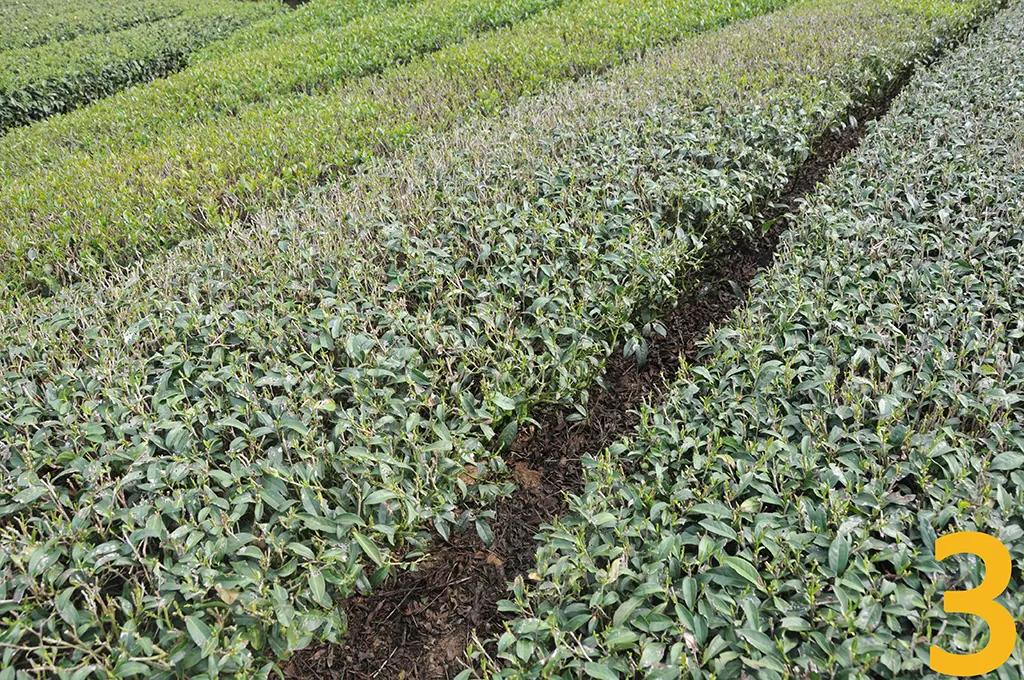
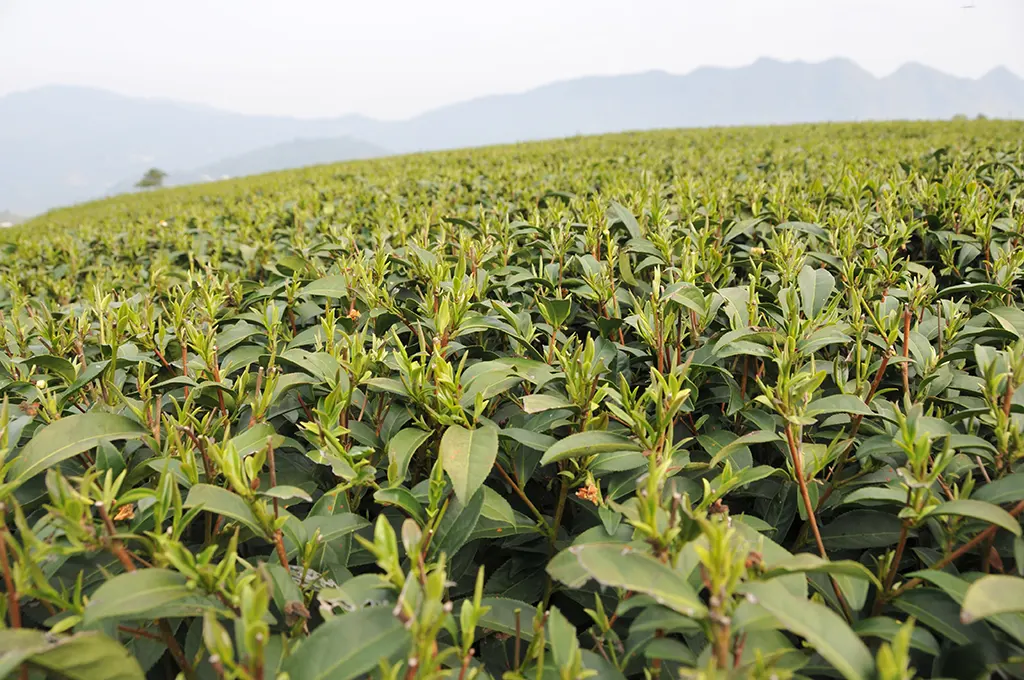
Ruifeng Village might be slightly further north and receive more rainfall, making its condition a bit better than the previous villages. However, there are still plenty of unevenly sprouted fields, uneven leaf development (gongsun ye), and early maturing leaves (Figures 2 and 3). Major harvesting of JinXuan is currently underway, and Qingxin Oolong is expected to peak in late April. This area also comes down to whether irrigation water is sufficient: a few tea gardens are growing quite well, while others look terrible, clearly lacking irrigation. Yield is at about 60% of a normal year.
In Taihe Village, there are similarly low sprouting rates, uneven growth, and plenty of uneven leaf development, but it feels to me like the best-performing area in the Meishan tea region this spring. Hearing from tea farmers, there is no water up in the mountains, so their irrigation water has to be hauled up from down below. A major advantage here is its proximity to the Alishan River—a round trip by car takes just half an hour. That’s likely why the tea growth is relatively good here, with at least fewer cases of withering and yellowing. Yield is around 60% of past years.
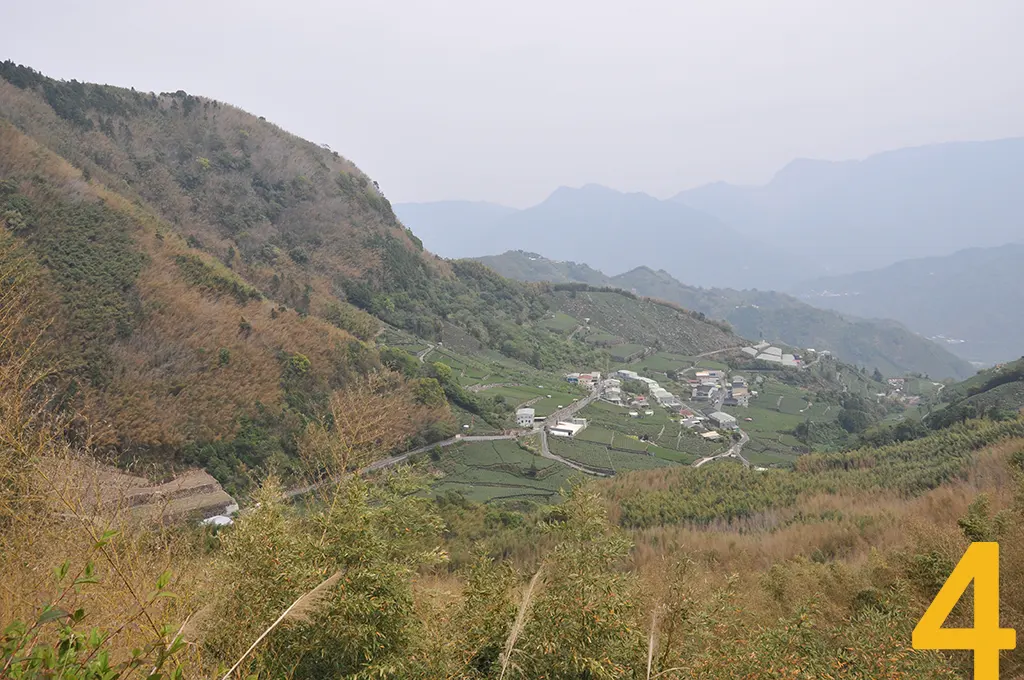
Above (Figure 4) is the Zhangshuhu tea region. You can tell just by the color of the bamboo groves in the photo how minimal the rainfall has been here; in past years, it’s always been lush green.
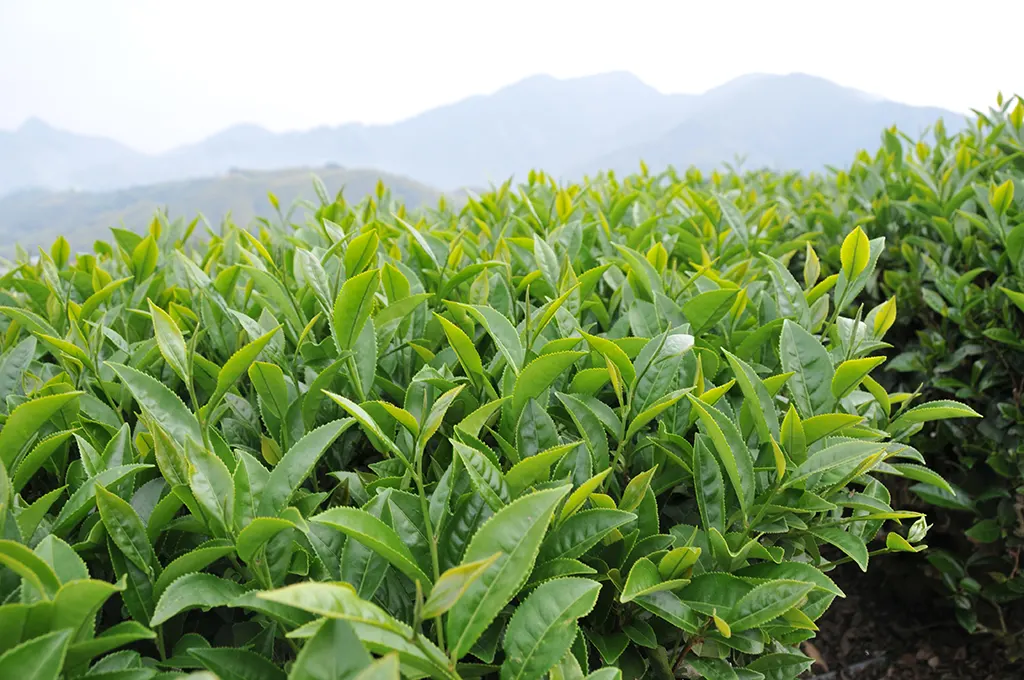
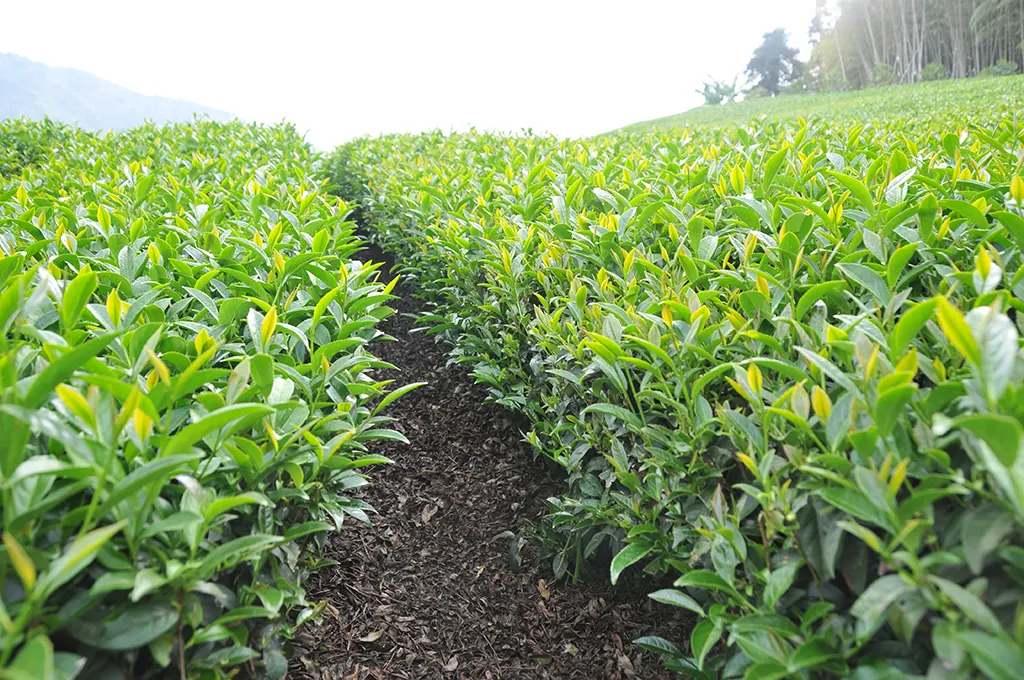
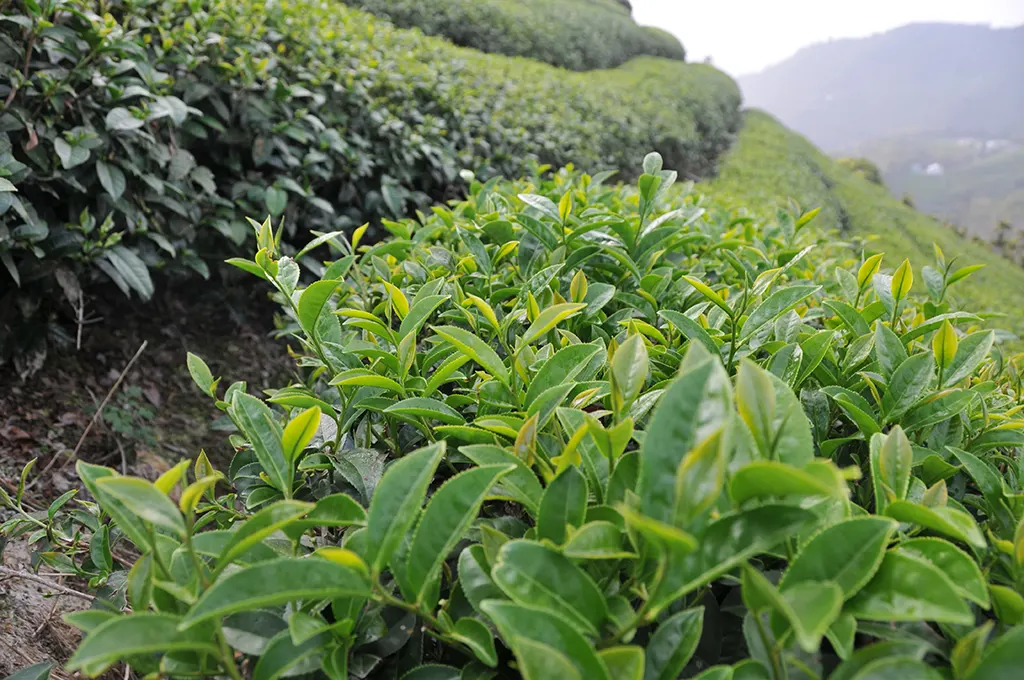
I won’t post photos of withered tea trees this time to keep everyone’s spirits up, and instead picked a few nice shots of the tea gardens. Conditions in Zhuqi Township and Fanlu Township aren’t looking great either; I’ll report back to you all next time.