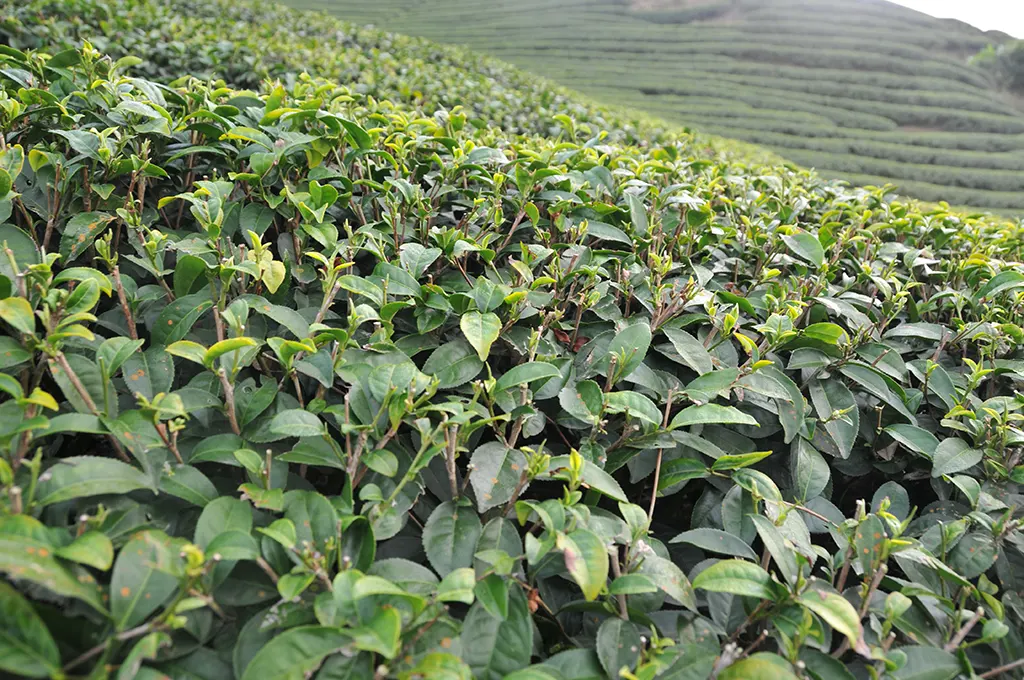
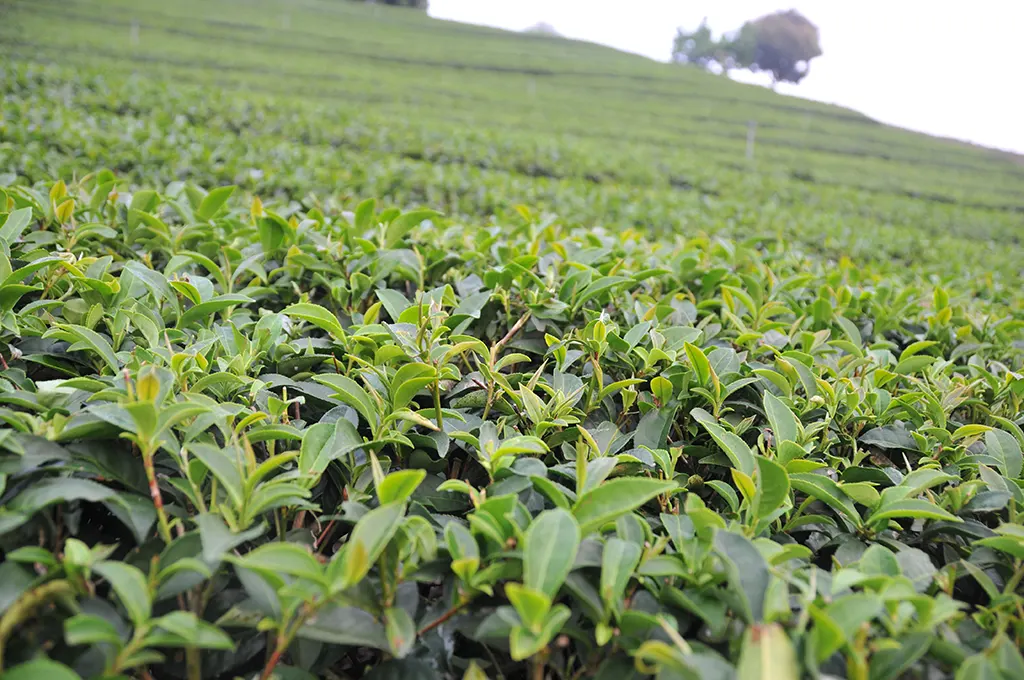
As I mentioned a few days ago, this year’s spring tea is suffering from a water shortage, leading not only to reduced yields but also to “premature maturation.” Even JinXuan tea, which typically boasts robust growth, hasn’t been spared. Based on experience, the quality of tea gardens without irrigation sources is looking pretty grim this year.
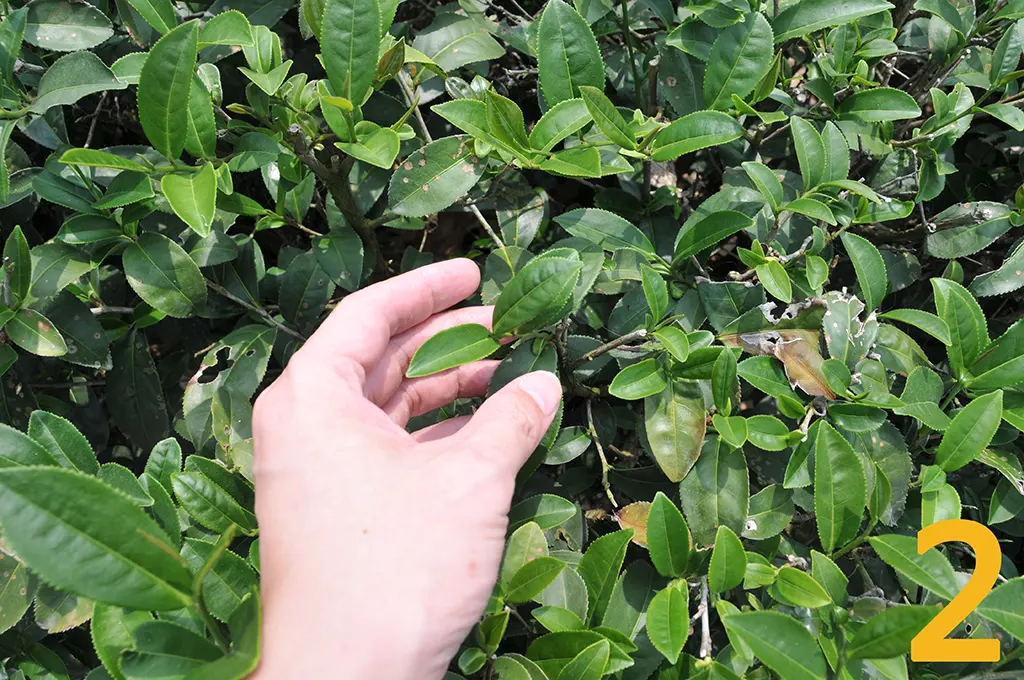
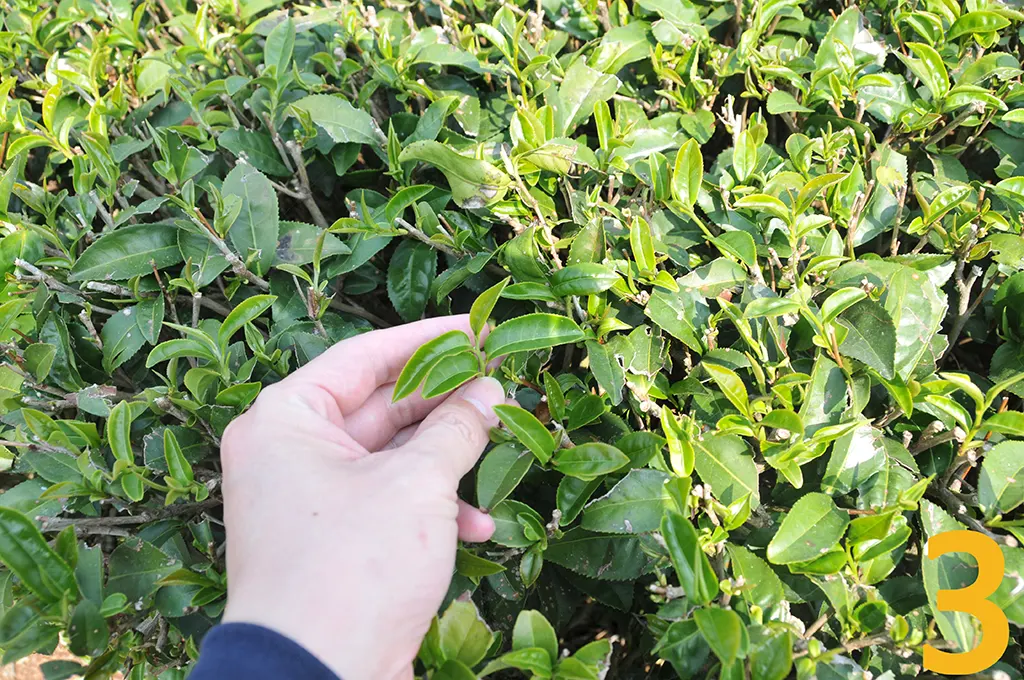
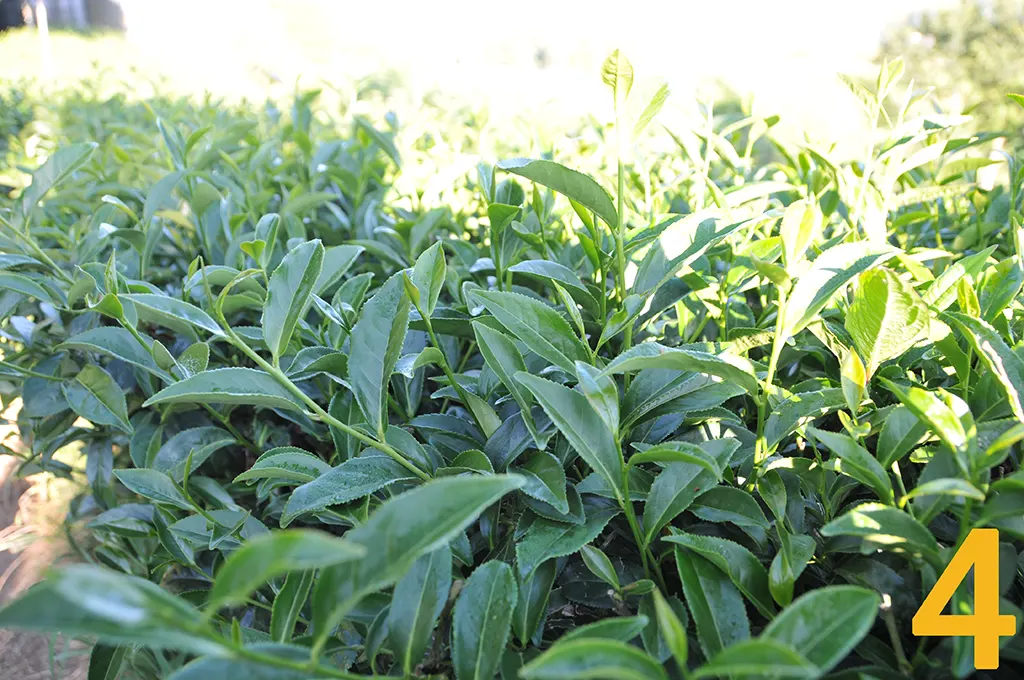
Some tea friends have asked what “premature maturation” actually means, so let me break it down. When tea leaves grow, they typically put out five to seven new leaves, eventually forming a “terminal bud” at the very top, signaling that this growth cycle has stopped and no more new leaves will emerge. Once the top first and second leaves grow to a similar size, they reach “open face” (maturation), meaning the leaves are fully mature and aging. Take JinXuan tea, for example: it usually grows five to seven leaves over ten centimeters long before maturing. But this year, it’s maturing after putting out only three or four leaves that are less than three centimeters long. That’s a severe case of “premature maturation.”

Pictures 2 and 3 show this year’s mid-elevation spring tea affected by the drought. Look closely at how the top first and second leaves are about the same size, which means they’ve already matured. Picture 4 shows normal spring tea from last year—some leaves grew nearly seven new leaves without maturing yet. You can really see the massive difference.
“Premature maturation” not only cuts down yields but also causes tea quality to drop rapidly because the leaves start to fiberize, and the flavor turns weak (the tenderer the leaf, the richer the compounds). On top of that, premature maturation makes harvesting and processing much harder, impacting overall tea-making quality. Because of this, tea suffering from premature maturation is likely to be subpar—it’s honestly the absolute worst-case scenario for tea farmers and merchants alike.
Visiting the mid-elevation tea regions of Alishan and Zhushan over the past couple of days, I noticed that much of the tea is showing signs of “premature maturation” and poor quality. Only a handful of tea gardens with ample irrigation remain unaffected. Barring any surprises, tea merchants are going to be fighting tooth and nail for these few good batches.