Applying Top-Dressing Fertilizer in Our High Mountain Tea Gardens

Driven by the pandemic, conflicts, and inflation, prices have skyrocketed over the past couple of years. Taiwan has recently experienced an egg shortage, with tea eggs rising to NT$13 each. It seems the era of high inflation is truly upon us.

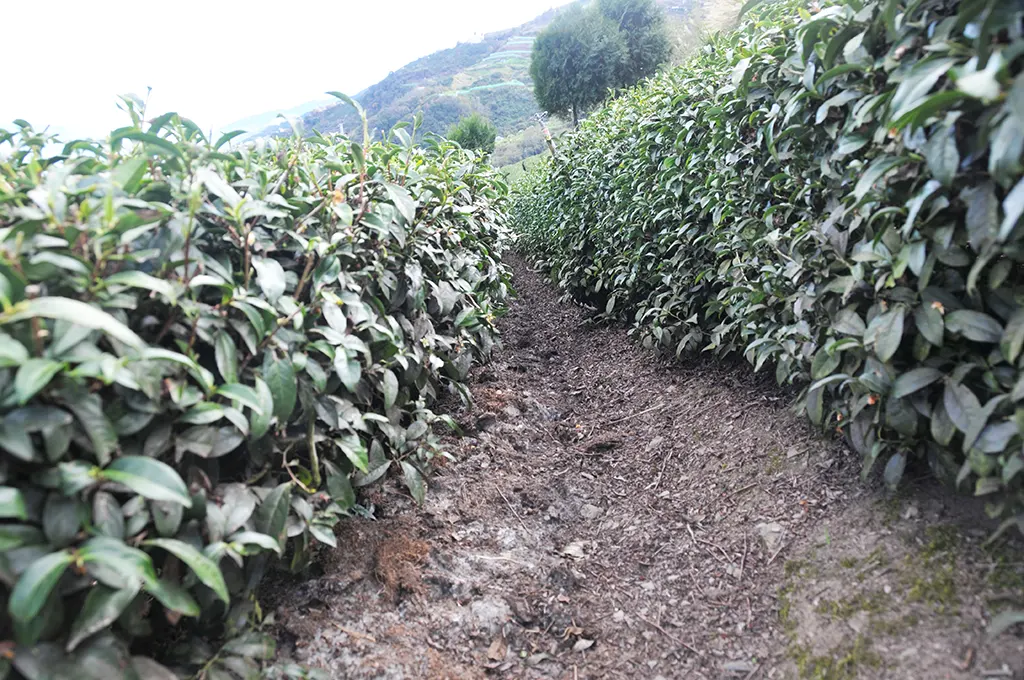
Tea garden topdressing

As prices continue to climb, operating and management expenses for tea plantations are also steadily rising. Labor costs have gone up, and the surge in fertilizer prices we mentioned awhile back shows no signs of stopping. Years ago, a bag of soybean meal fertilizer cost NT$300. Because it is so effective at improving tea quality, demand grew steadily, and the price gradually crept up, reaching NT$400 three years ago. Amidst the pandemic, wars, and inflation of the past two years, prices have skyrocketed even further, and a single bag now costs over NT$600.

Speaking with tea farmers the other day, I learned that not only have prices spiked dramatically, but this year we have to place orders well in advance just to secure any. It looks like it’s not just eggs—even the soybean meal fertilizer used for tea is facing shortages.

Tea garden topdressing

Due to rising costs and shortages, some tea farmers have chosen to “reduce the amount of fertilizer.” Farmers who prioritize quality strive to maintain optimal fertilization levels, but cost considerations force them to adopt extra measures. For example, instead of having the fertilizer supplier deliver it to the farm, they pick it up themselves; or they cover the fertilizer with an extra layer of soil to prevent runoff; or they apply smaller amounts more frequently to boost absorption. They are fighting inflation with hard work. Honestly, I believe buying tea from farmers like this is the only way to go—fertilizer is the key to quality and is definitely something you cannot skimp on.

Tea garden topdressing

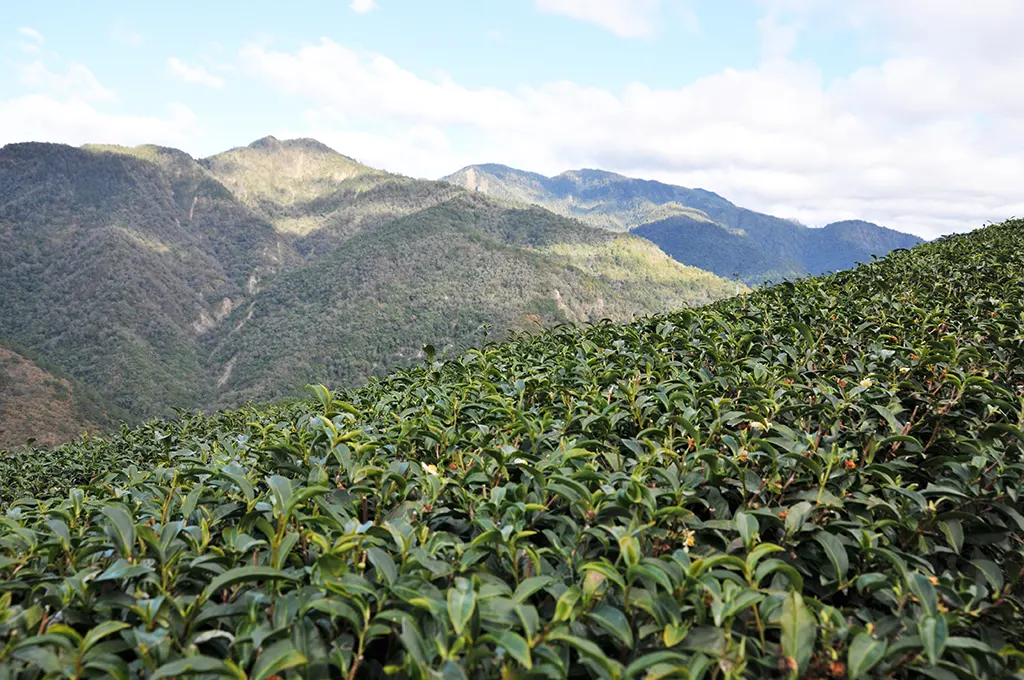
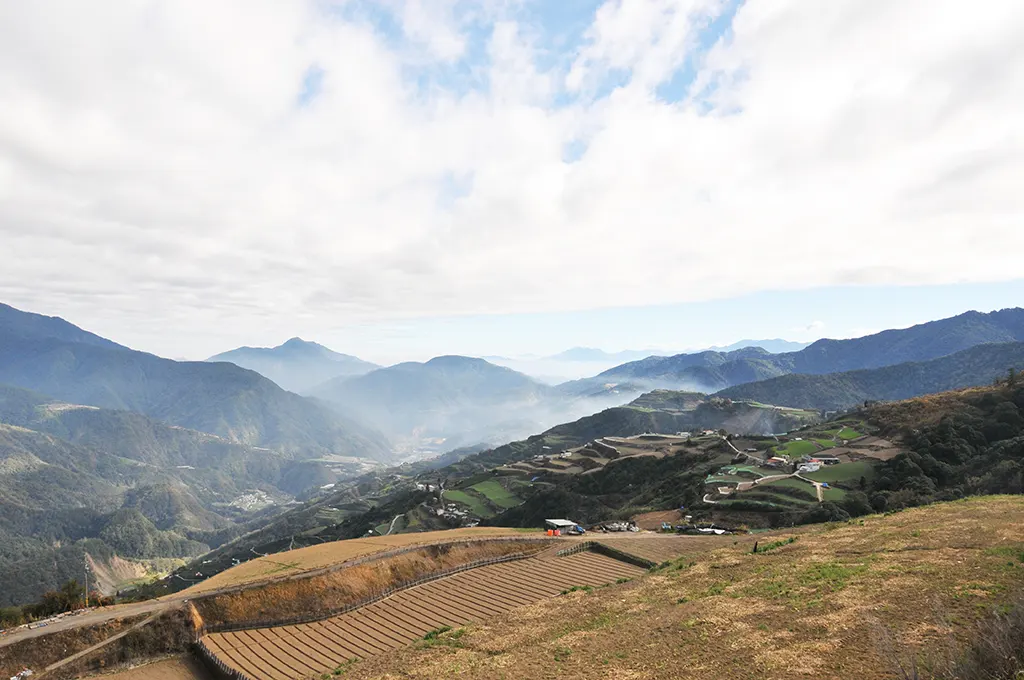
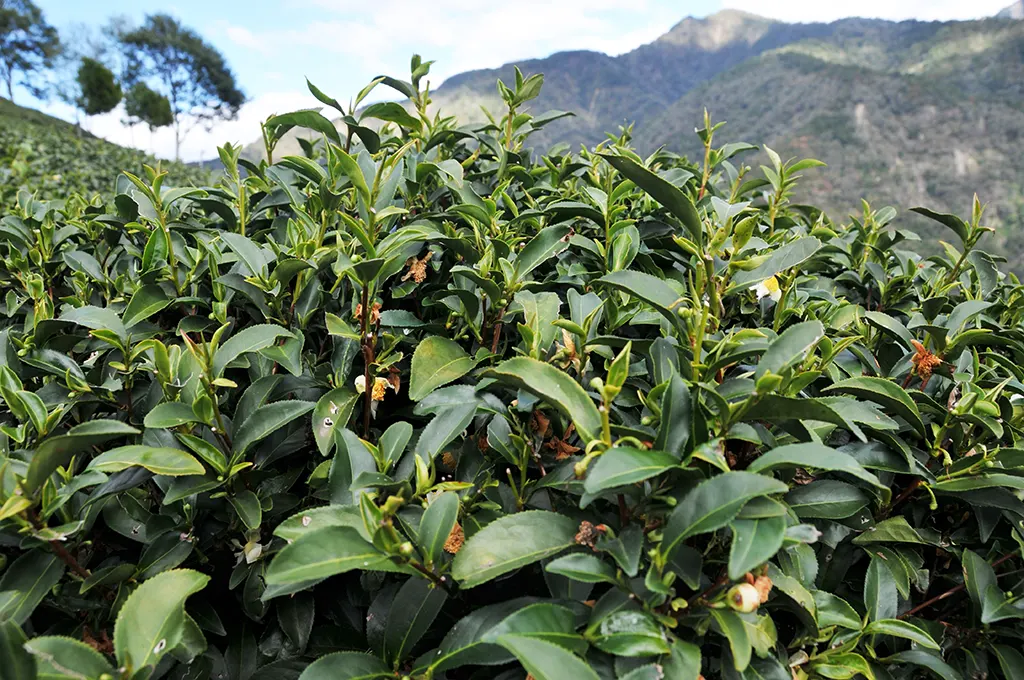
High-mountain tea farmers are continuing their fertilization work, currently applying “top-dressing.” In addition to base fertilizer, high-mountain spring tea requires multiple top-dressings to supply essential nutrients during growth. The teas selected by our shop come from plantations that apply top-dressing 2 to 3 times, ensuring the resulting spring tea is rich and full-bodied.

Shopping Cart