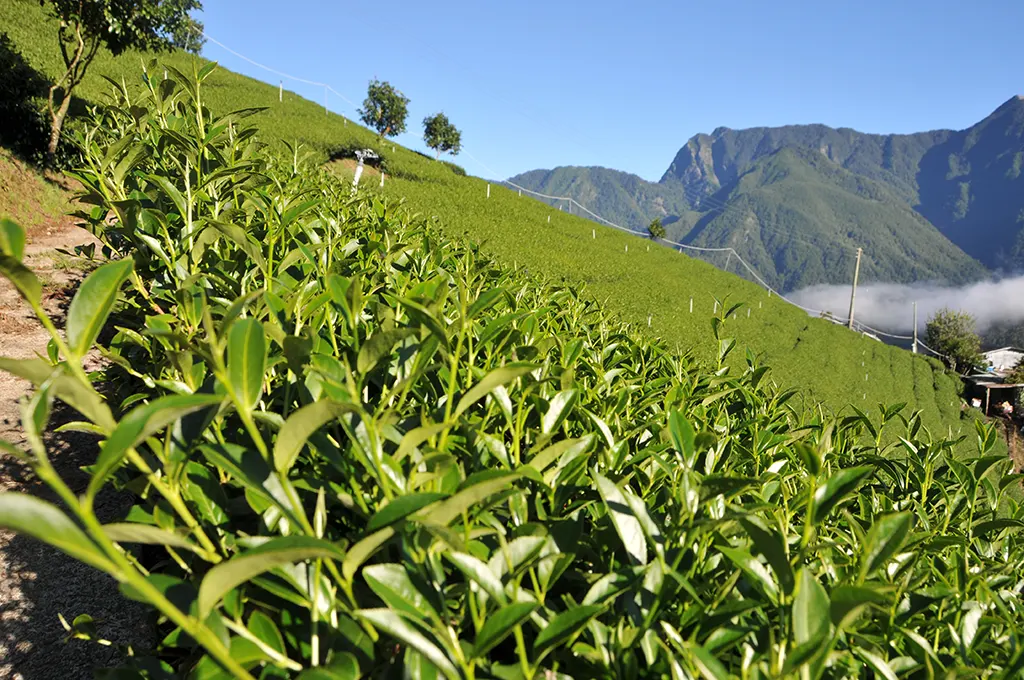
Xinjiayang Tea Region: Lishan Xinjiayang Tea Grown at an Altitude of 2,050 Meters

The Xinjiayang tea region is located in Lishan, Heping District, Taichung City, spanning roughly between the 68 km mark (Deji Police Station) and the 76 km mark (Xinjiayang Settlement / Lingfu Bridge) of the Central Cross-Island Highway. The elevation of the tea region ranges from 1,500 to 2,050 meters.

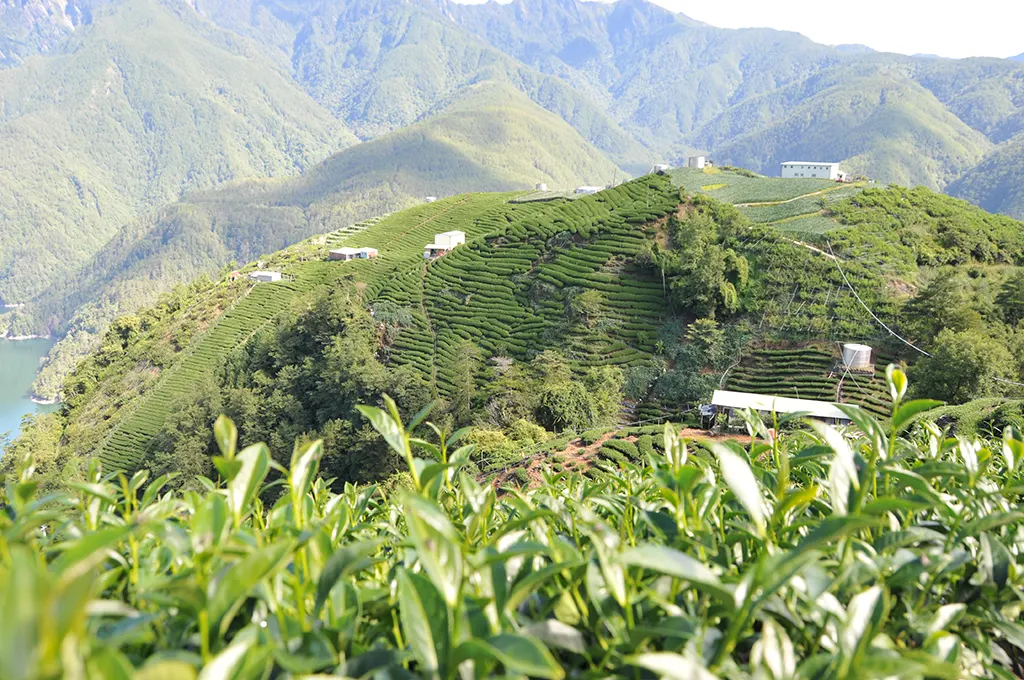
Xinjiayang Tea Region

Table of Contents

Lishan's Largest Tea Producing Region

Many people assume that the main production areas for Lishan tea are around Songmao and Fushou Mountain Farm. In reality, Xinjiayang is the largest tea region in true Lishan. Because there aren’t many local tea factories in Xinjiayang, most fresh tea leaves have to be transported to the surrounding areas of Songmao Settlement and Fushou Mountain Farm for processing, which leads to this misconception. As a result, much of the “farm-edge tea” and “HuaGung tea” people buy is actually Xinjiayang tea.

Xinjiayang Tea Region

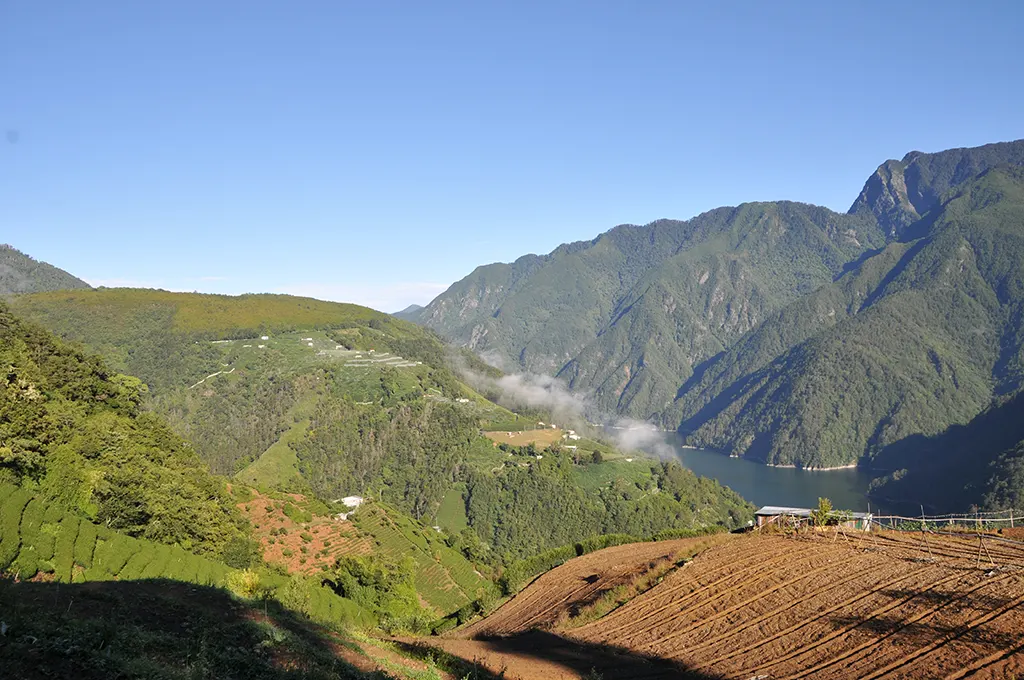
The manager considers the quality of Xinjiayang tea to be “exceptional.” Plus, with its large production volume, “the chances of turning out great tea are very high.” The manager makes it a point to come here for tea hunting every season. Well-managed tea plantations here easily rival those on the farm edges and Cuiluan. The downside is that prices have been “steadily rising” in recent years, making the tea’s value for money relatively average. It’s worth mentioning that the scenery in the Xinjiayang tea region is breathtakingly beautiful. Right below lies Deji Reservoir, where the sparkling waters and mountain views pair with the tea plantations to create an absolute postcard-like view. Coming here to source tea always feels like a vacation.

Xinjiayang Tea Region

Elevation 1,500 to 2,050 Meters

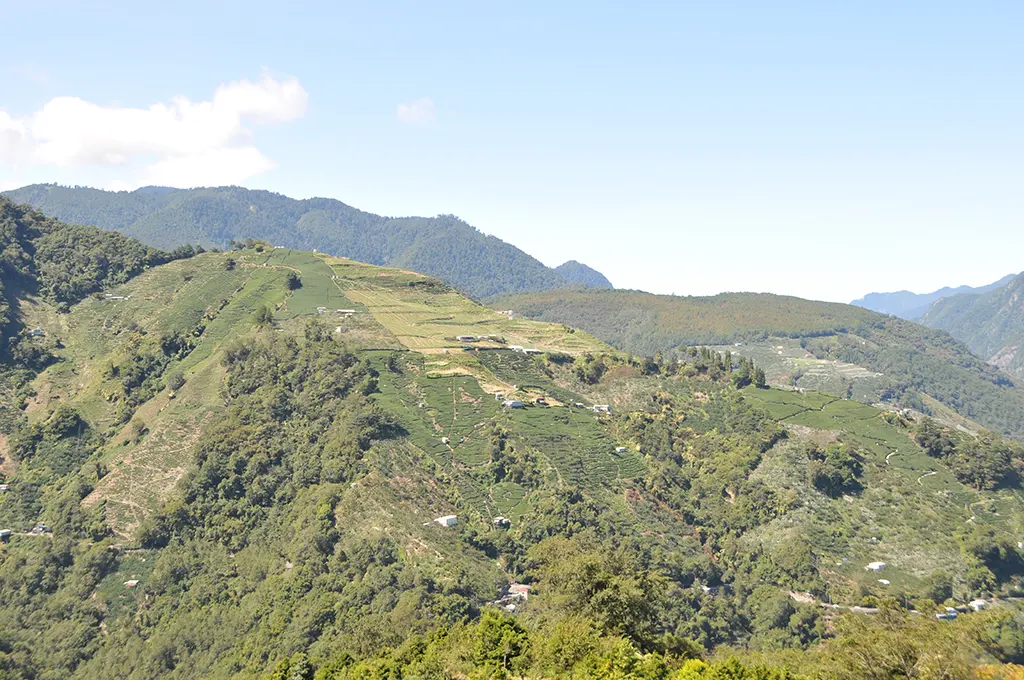
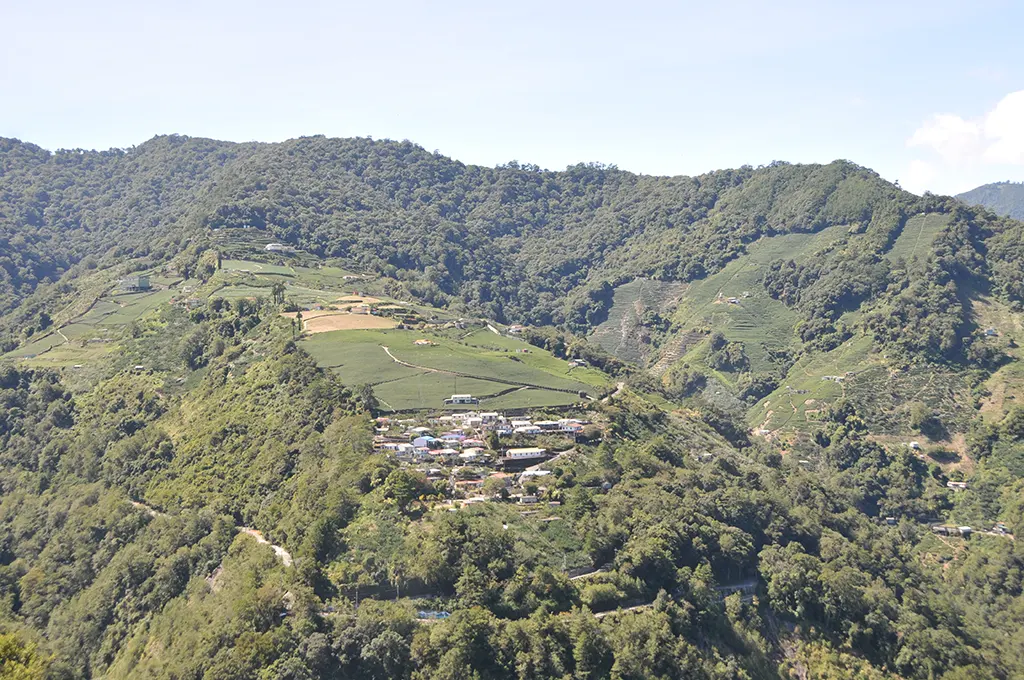
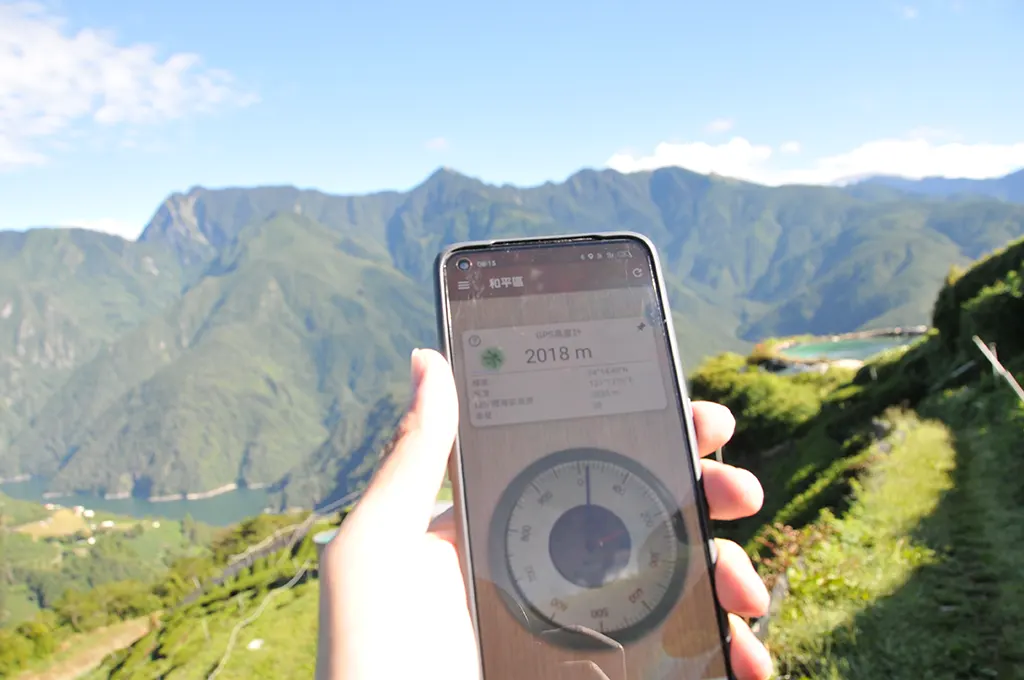
Above is the Xinjiayang tea region. Centered around the settlement, the four surrounding mountain peaks make up the main tea-growing areas. There are also small plots of tea distributed below the Central Cross-Island Highway, in the old settlement, and on the Jiayang alluvial fan (commonly known as Devil’s Island). The highest elevation reaches 2,050 meters. Below is the altitude measured by the manager’s phone (not yet at the highest point).

Xinjiayang Tea Region Elevation

Spring tea is harvested in April and May, autumn tea in August, and winter tea in October. The main tea variety is Qingxin Oolong, crafted into lightly fermented high mountain oolong. There are also small amounts of black tea and Winter Sprout Oolong.

Xinjiayang Tea Region

A casual chat: When the 2022 earthquake caused road collapses, the fresh tea leaves for Xinjiayang’s winter tea couldn’t be transported via the Central Cross-Island Highway to Lishan for processing. Out of sheer necessity, they had to be transported on bamboo rafts across Deji Reservoir. Coupled with subpar seasonal leaf growth and excessively long transit times via rafts, the final product quality took a massive nosedive—truly the darkest chapter in the history of the Xinjiayang tea region.

Xinjiayang Tea Region FAQ

The tea plantation is stunning. How do I get there?

Just set your GPS for the Xinjiayang Settlement. Cars can’t reach the specific plantation shown in the manager’s photos—it requires nearly an hour of hiking up a slope (or hitching a ride on a local cable car or monorail), so we don’t really recommend going.

Can you buy Xinjiayang tea for NT$1,200 per 600 g?

You might have a chance if you buy 18 kg of summer or autumn tea at once, but you’ll only get lower-grade tea. You definitely can’t get autumn or winter tea for NT$1,200 per 600 g; that wouldn’t even cover production costs.

Shopping Cart