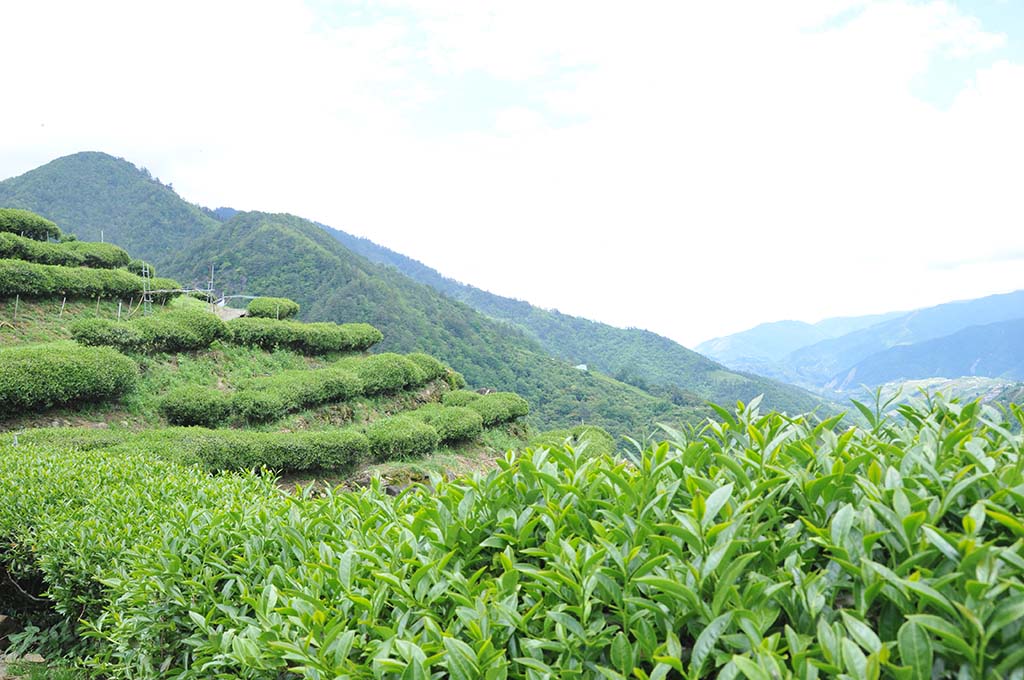
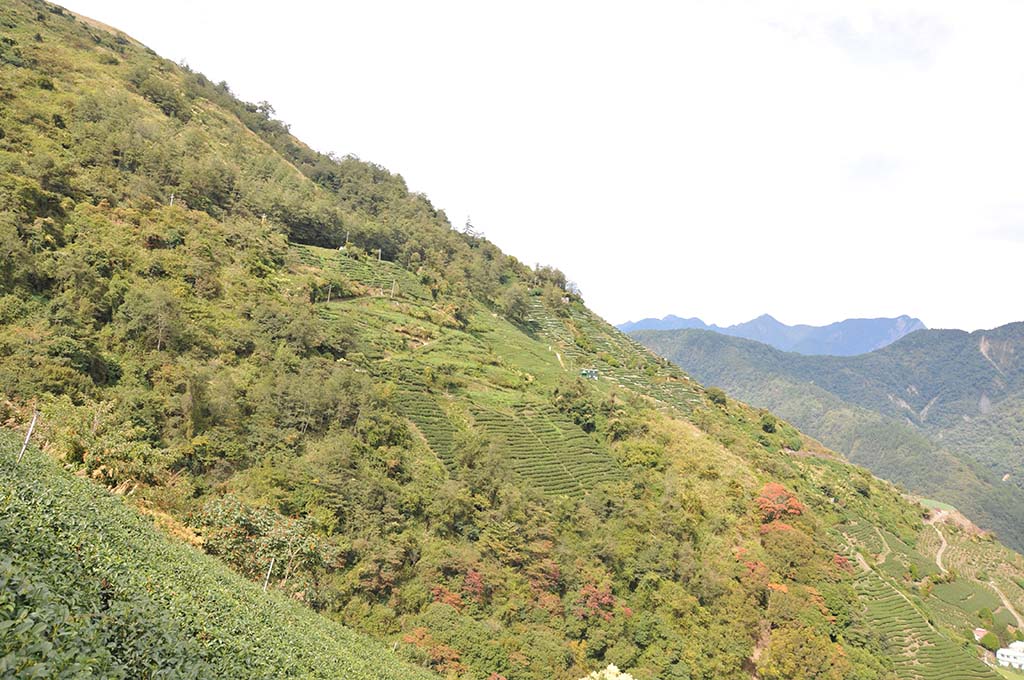
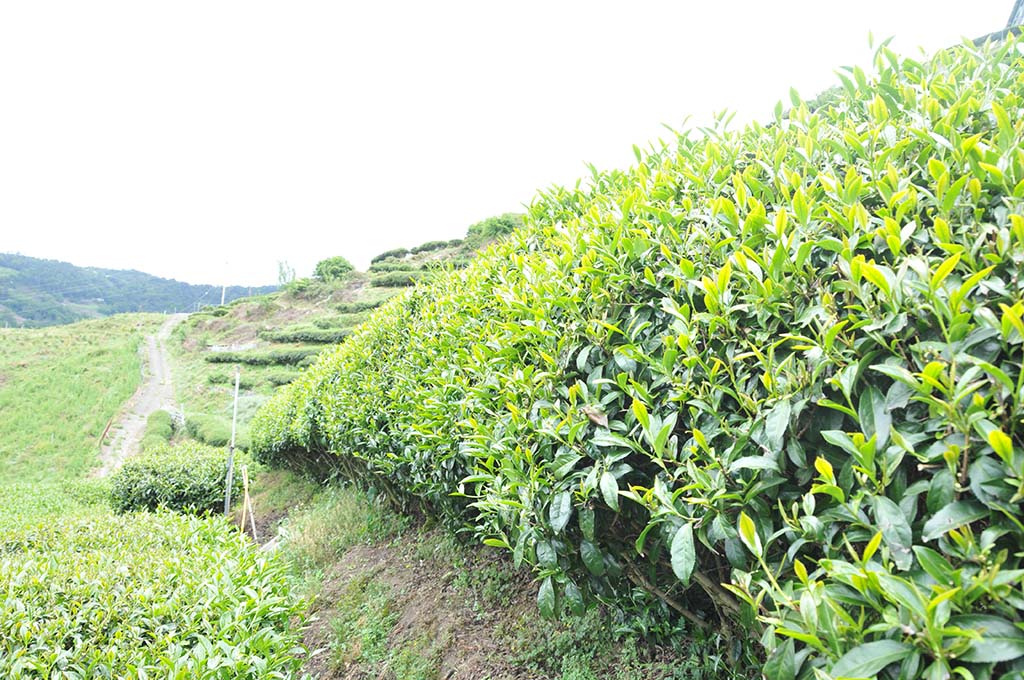
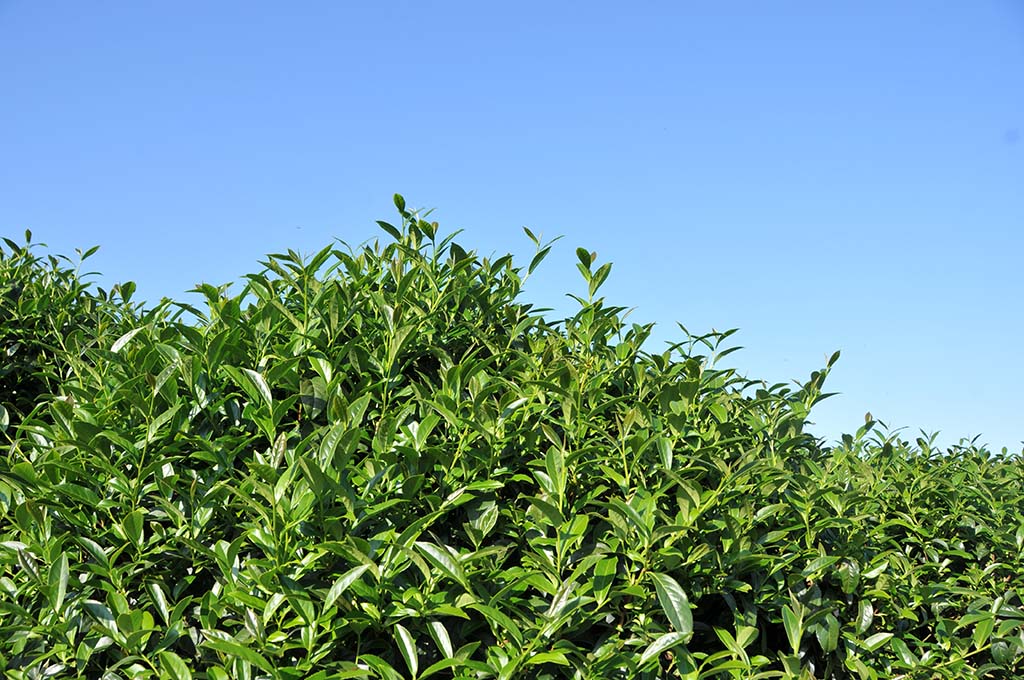
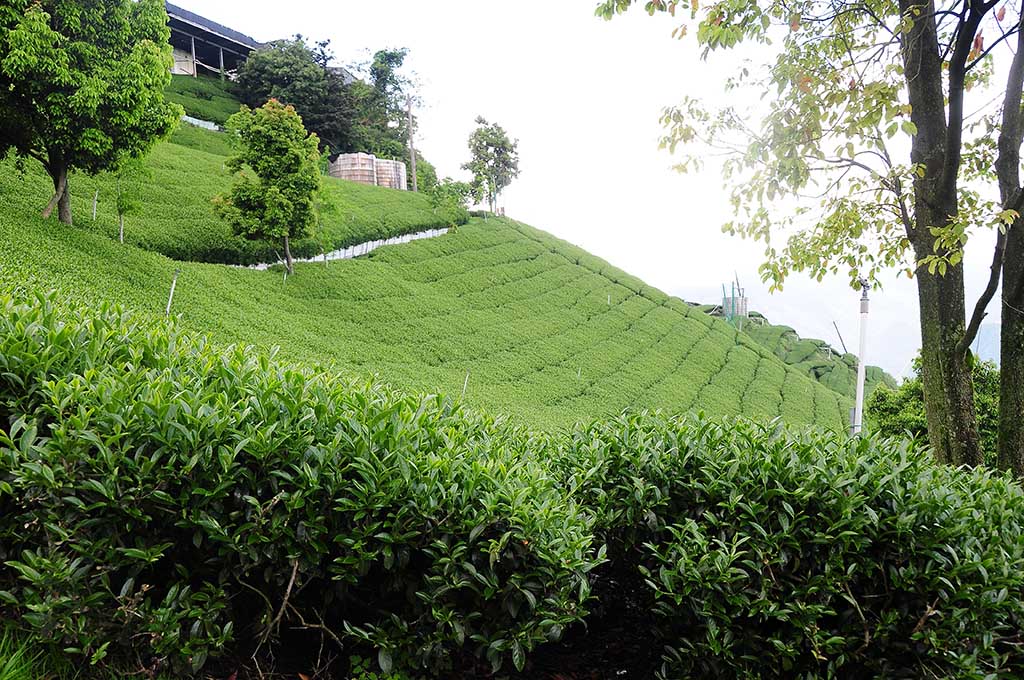
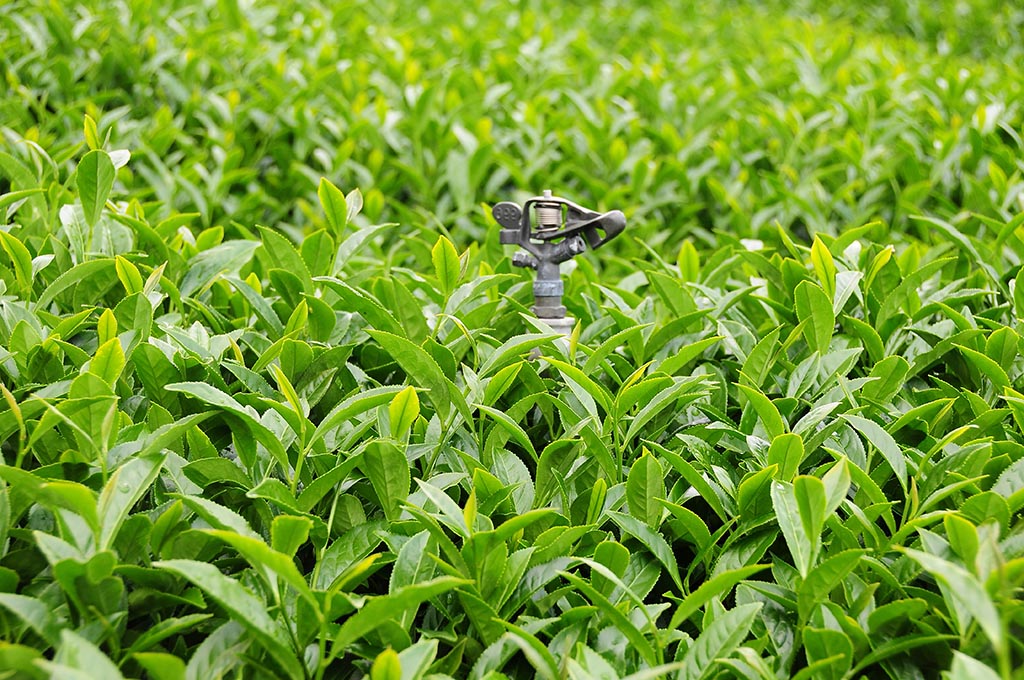
Recent news about water shortages in Keelung and Yilan—where rainfall in July was a mere 11 millimeters, causing tea bushes to wither and die—kind of snapped the shopkeeper out of a daydream. We really haven’t had much rain lately.
August is peak harvest season for high mountain autumn tea. As I recall, it only rained on August 1st, and the rest of the days were gorgeous. Not just August—even throughout July, high mountain rainfall was sparse. Sunny weather makes for smooth tea harvesting and great conditions for making tea, so the quality of the autumn tea has been phenomenal. Everyone was caught up in the celebratory mood. But as the autumn harvest drew to a close, tea farmers started noticing something was off: “How come it’s still not raining?”
Everyone probably still remembers the historic severe drought during the 20th-century spring tea season back in 2021, which withered countless tea bushes, and significantly dropped the yield and quality of the ones that survived. Since that was just last year, it’s no wonder tea farmers are getting worried.
Not having enough rain brings another major problem: fertilizers can’t break down, nutrients can’t penetrate the soil, and the tea bushes can’t absorb nourishment, leading to subpar quality. Much like the 2021 spring tea, which not only had a low yield but also turned out quite disappointing in quality, it was all caused by the drought.
Today, I saw news reports about Chongqing experiencing a scorching 45°C high temperature and a drought in the Yangtze River basin. Watching this really makes my heart sink—climate change and extreme weather are fast becoming the new normal.
Looking at the weather forecast, the next few days are going to remain bright and sunny. Aside from praying for rain soon, we’ll need to head up the mountains in the coming days to check if the water sources for each tea garden are sufficient. This year’s winter tea might just come down to water availability, much like the spring tea season in 2021.